
The Keychron K2 HE- Concrete special edition is as equally statement piece as much as a standout hall effect keyboard. It’s an immovable object of a keyboard that is fit for any modern office space. Keychron should continue to make special edition keyboards like this, as they look and feel far unlike any other boring keyboard you probably use right now.
Since falling down the rabbit hole that is the mechanical keyboard space, I’ve become increasingly interested in keyboards made of unique materials. I’ve spent quite a bit of time praising and using ceramic keycaps, but I know that they’re not for everyone because of their price point and hardness. Frankly, they’re hard to type on despite being delightfully cool to the touch.
What if a keyboard was made of something else, like…resin? Or concrete? This year, Keychron has taken a bold stab in making special editions of their HE keyboards. We managed to get our hands on one of them, and we’re quite pleased with what we have used. Today, we’re covering the concrete special edition of the Keychron K2 HE.
Click here to check out the Keychron K2 HE on Keychron’s website! (non-affiliated URL)
Before continuing on, I want to point your attention to our original coverage of the K4 HE that I covered late summer. I’d recommend that you start with that review before proceeding further, as I’m going to assume that you’re familiar with the features that make the K4 so great to use. In terms of features (like Hall Effect switches, tri-mode connectivity, and the excellent Keychron launcher that is used to customize the keyboard), the K2 HE is virtually the same except for it being a 75% keyboard rather than a 98%/full sized keyboard. The major difference between this special edition of the K2 is its casing and aesthetics.
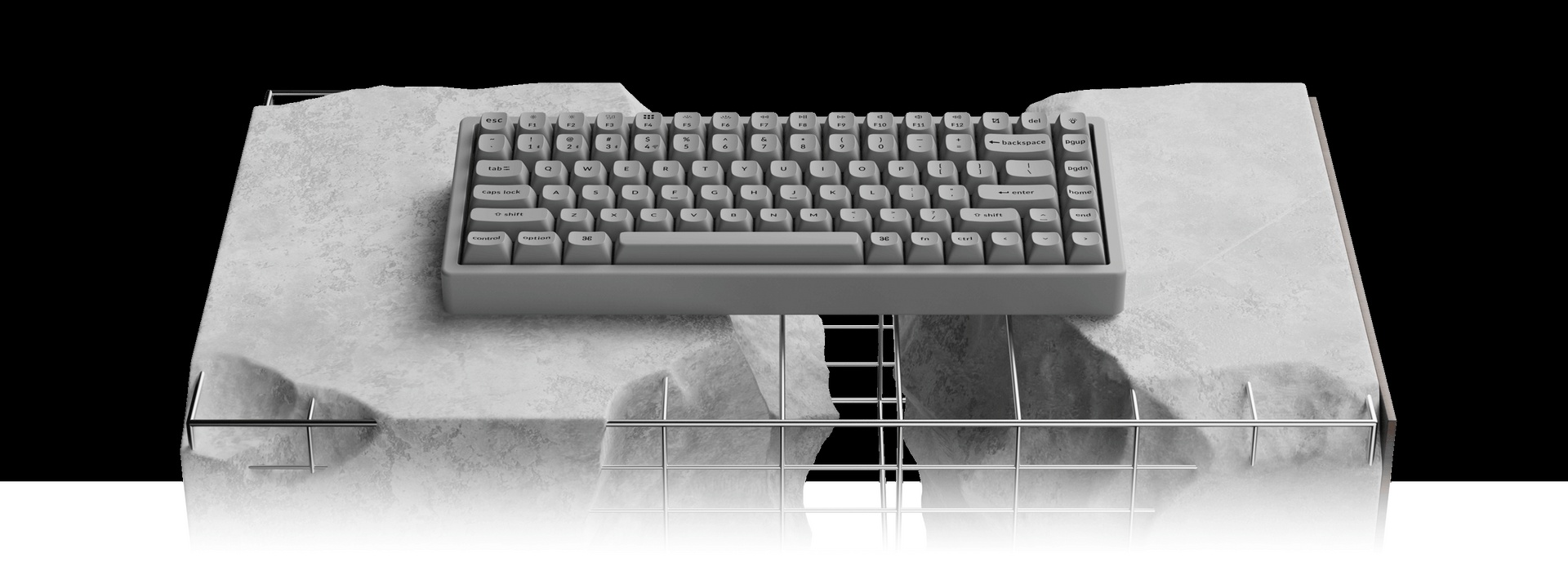 For the K2 HE concrete edition, Keychron has framed the keyboard as featuring a premium concrete body. They use terms like “architectural-grade concrete composite housing” to describe its body. The average viewer may jump to the conclusion that this keyboard is entirely made of concrete – you shouldn’t. It’s just the case that is made of these interesting materials.
Upon taking it out of the box, I was stunned by the keyboard’s weight. It’s heavier than other 70% keyboards I’ve tested – even some of the aluminum models! My partner, who happened to be in the room as I was opening things up, expressed fear that the keyboard was heavy enough to hurt. This keyboard weighs just under 4lbs, folks. If you’re familiar with a heavy metal mechanical keyboard, the concrete K2 will offer you that same sturdy heftiness that I associate with premium materials.
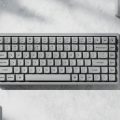
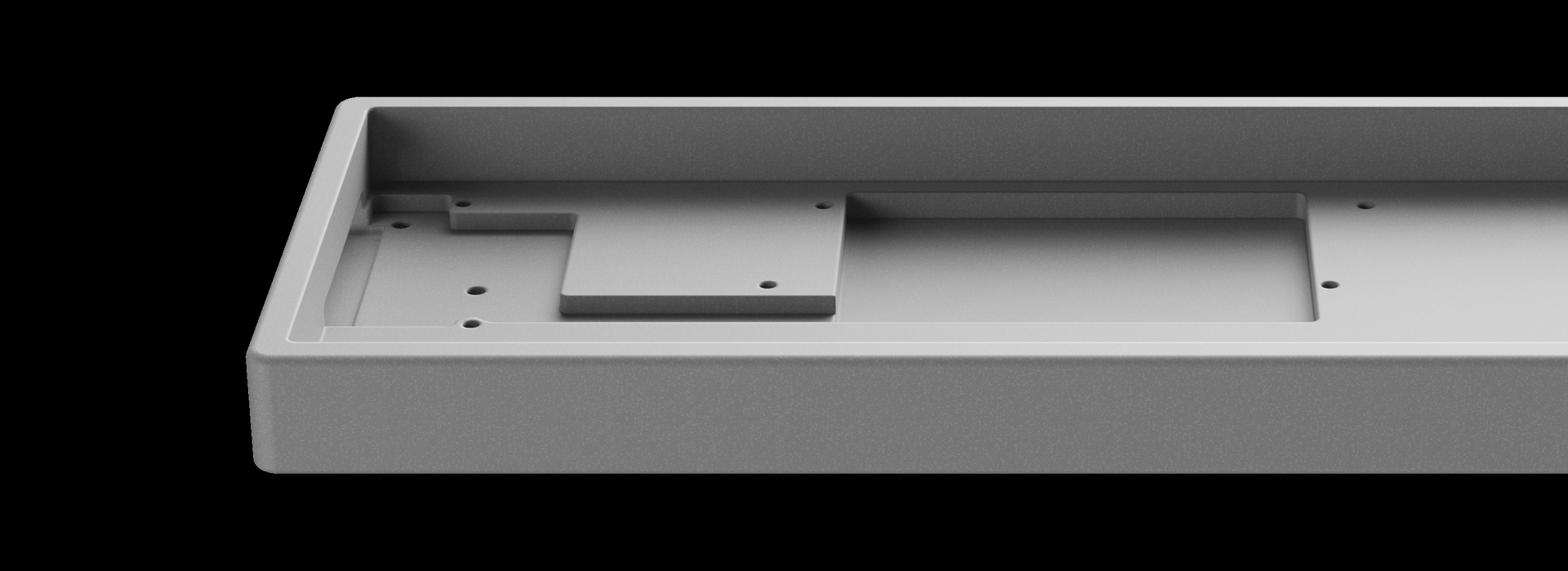 Prior to this review, if you had told me that this keyboard was made of stone, I would have definitely believed you. The rounded edges and texture of the outside case are smooth and cool to the touch, similar to grey river stones that are sold at garden centers for landscaping. The matte light grey looks more like slate instead of the drab traditional concrete that makes up the sidewalk and my driveway. Calling the material concrete in this case would be a step down from the keyboard’s existing smooth exterior. When I think of concrete, I think of a hard and rough texture that’s far from satisfying. I think of a hard surface that I have fallen onto many a time growing up and roughing up my clothes and skin.
Keychron was smart to go the smooth and silky route for designing this keyboard, as traditional “raw” concrete would not feel the best to use. It wouldn’t look that premium, either. The bottom of the K2 HE concrete has a rougher texture and slightly porous texture that looks and feels like raw concrete, but it doesn’t look as novel as the current design of the smoother cement exterior. With the uniformly placed OSA grey keycaps, the keyboard looks like a solid slab of concrete!
 On the acoustic side of things, the concrete case produces unique sound effects that sound way different than keyboards made of traditional plastic. The K2 HE features an aluminum plate, just like Keychron’s other keyboards. With the mix of the concrete casing and aluminum plate, the keyboard produces loud thuds when typing. Think of it like a mix between a satisfying, yet muted, thock and a deep, yet loud, clack. If you’re familiar with cork plates (the novel materials introduced by Meletrix’s keyboards), it sounds like a slightly louder version of the cork’s acoustic profile. It’s a satisfying step away from the creamy thocks that many keyboard manufacturers are chomping at the bit to perfect.
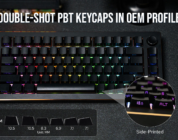
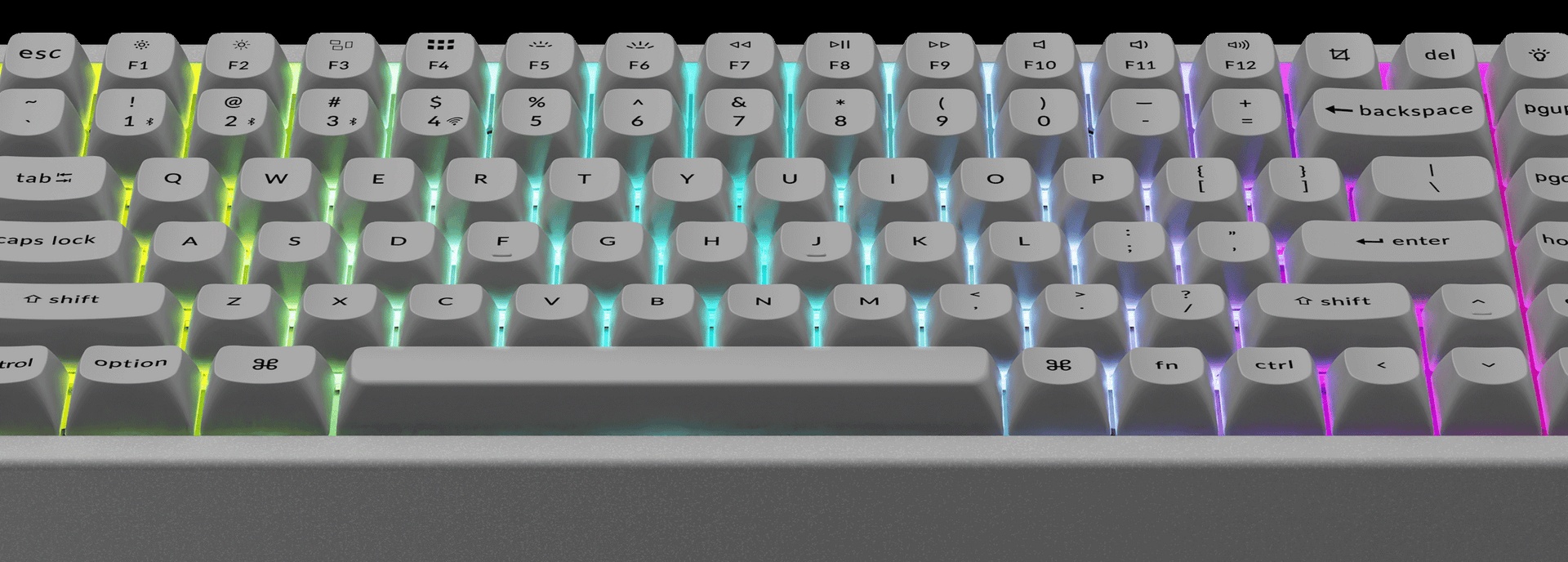
This variant of the K2 HE comes with Keychron’s OSA keycaps made of double-shot PBT. They’re the same keycaps that come preinstalled on other keyboards. I love the custom grey color (as this color scheme is unavailable for separate purchase or on any other keyboard); it complements the keyboard’s monolithic aesthetic quite well. My only quibble is that these keycaps feel slightly thin, detracting from the otherwise immovable and hefty aesthetic that comes with the rest of the keyboard’s concrete profile. I also would have preferred KSA keycaps even if it meant that it no longer looked like a slab of concrete.
This was one trippy keyboard to review, albeit trippy in all the right ways. I never thought I would find myself trying out a keyboard made of concrete (or stone, whichever way you look at it), yet here I am. After trying it out, though…I’m hungry for more. I want Keychron to push the envelope further and design keyboards of other materials beyond concrete, ceramic, and resin. Why not…leather? Or perhaps wood? Keychron’s keyboards with rosewood accents look beautiful, but let’s take it a step further and have the device made entirely out of wood?
A keyboard fanatic can dream, I guess.
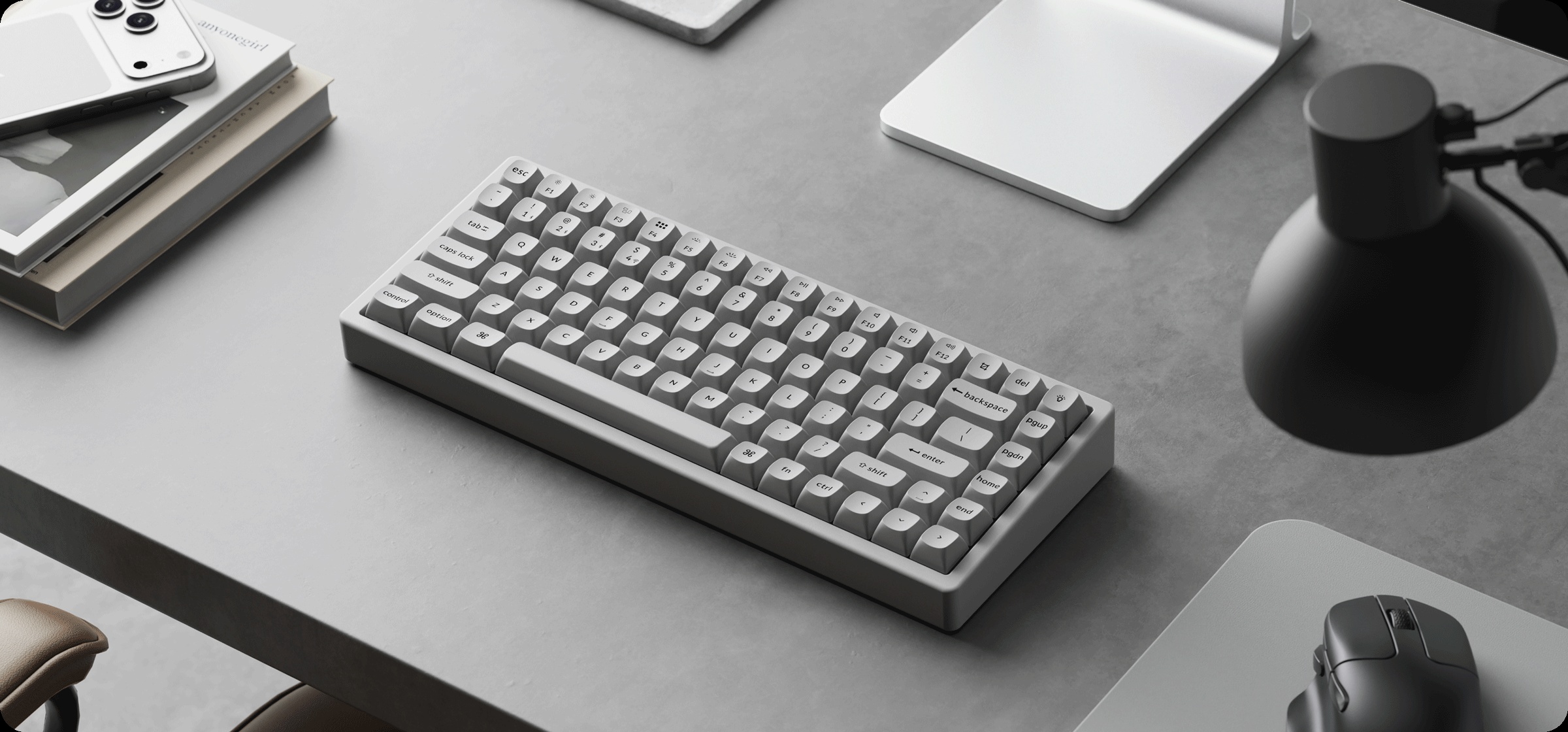 Typing on this keyboard is just as delightfully satisfying as Keychron’s other prebuilt keyboards. I used it to type this review and play games of varying intensity. Thanks to the concrete materials, I got this weird peace of mind knowing that this keyboard didn’t budge and held up to pressure. Like other heavy aluminum keyboards I have reviewed prior to today, the keyboard did not move once I set it down on my desk. This keyboard offered me the stability I needed when playing games and working late nights.
This keyboard unfortunately shares the same key drawback as Keychron’s current lineup of HE keyboards – they require a proprietary hall effect switch only available from Keychron/Amazon. If you have any other hall effect switches, like the Gateron Magnetic Blues (my current favorite), they’re incompatible with the Keychron K2 HE. For the price tag and novelty, I would have loved for this keyboard to support other hall effect switches just so I could customize the acoustic profile. Additionally, the concrete edition is only available in the 70% format, meaning that those wanting smaller (60%) or larger (90% or more) are out of luck.
Some of you might find this keyboard to be a gimmick with its concrete construction. Others might find the $199 pricetag to be too high in comparison with other Keychron keyboards. Here’s the thing, the K2 HE Special Edition is just that – a special edition keyboard that seeks to exist for those wanting something so unique, so novel, and so different from other keyboards that price is not really an issue. This concrete keyboard is an amazing addition for a keyboard collector who wants a keyboard made of materials not found on any other keyboard.
The Keychron K2 HE- Concrete special edition is as equally statement piece as much as a standout hall effect keyboard. It’s an immovable object of a keyboard that is fit for any modern office space. Keychron should continue to make special edition keyboards like this, as they look and feel far unlike any other boring keyboard you probably use right now.