


Silver Pines has all the makings of a Lynchian classic by way of a Metroidvania. Though it has a handful of shortcomings, this welcome and fresh take makes the most of its ambition and Americana horror.
Silver Pines is emblematic of what I want from a Metroidvania that strives to be a breath of fresh air.
Often enough, games in the genre are interchangeable with one another. And, often enough, I feel like a broken record rehashing that same sentiment. Some of that absolutely stems from the sheer glut of games that I play, many from a tried-and-true genus… or would it be family? Order? Class? Little subsets in the video game Kingdom. Even using the word “genre” feels like this infinite loop of circling the proverbial drain because there’s simply no better descriptor.
But damnit if we don’t love a good map, especially one that feeds off accomplishments. You kill a boss and you progress, get stronger. Currency and experience dribble out of the bad guy and it’s used to funnel into strength stats and vitality. But what if you got an item, a tangible tool that latched onto the character’s suit or infused into their DNA or could be wielded with their hands? And what if that item or thing could cave in a weak wall or alter gravity or contort molecular structures into a small ball?
Private investigator Red Walker is just a guy. A brooding man who wears a beige trenchcoat and probably likes his coffee black with one sugar just to fight back the bitterness of this weary world.
And he sure as hell isn’t double-jumping.
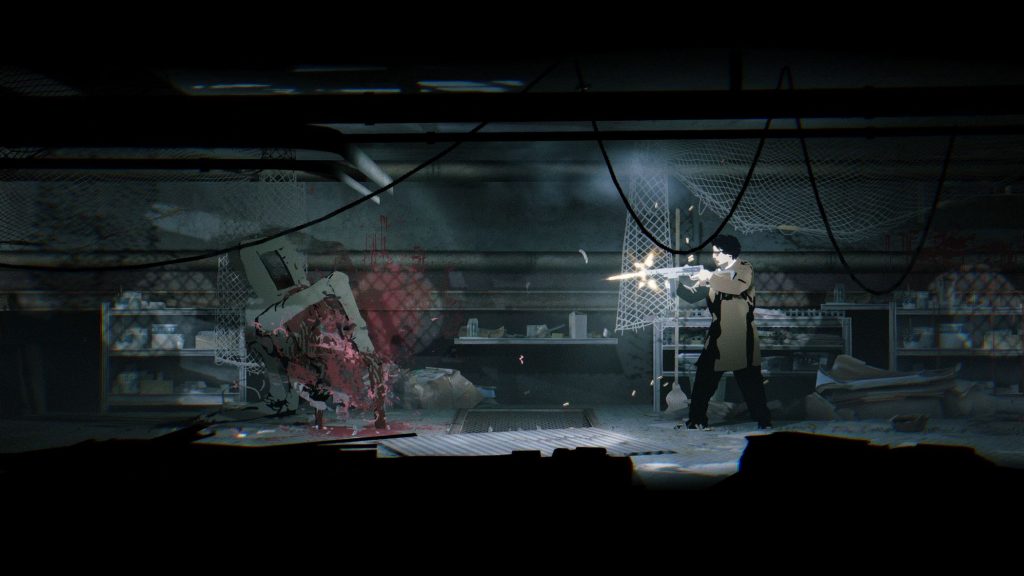
Silver Pines is a survival horror game fashioned into a Metroidvania. Developer Wych Elm houses its debut title in the realm of Silent Hill via Twin Peaks with a cold splash of X-Files and other similar poisons you may pick.
Here is a gritty, grounded “realistic” take on Dracula’s Castle or Planet Zebes. And like any worthy inductee, the map is pretty killer–literally.
Backtracking massages that animalistic part of the brain where a seed was planted hours ago and now it bears fruit. One of Silver Pines‘ first dopamine rushes was nabbing a pistol for Walker. “This can totally break open those rusty padlocks, can’t it?” I thought. I shakily aimed the gun and injected a bullet into that gatekeeping pest and watched it crack open. On the second floor of a dilapidated motel I noticed a small gap between the railing and the roof of the adjacent laundry room. “I wonder…,” and performed Walker’s puny leap over the gap. Clambering over the roof and then a metal fence, I transitioned to a different screen, hopped down into someone’s backyard, and grabbed a pouch that upgraded his maximum inventory space.
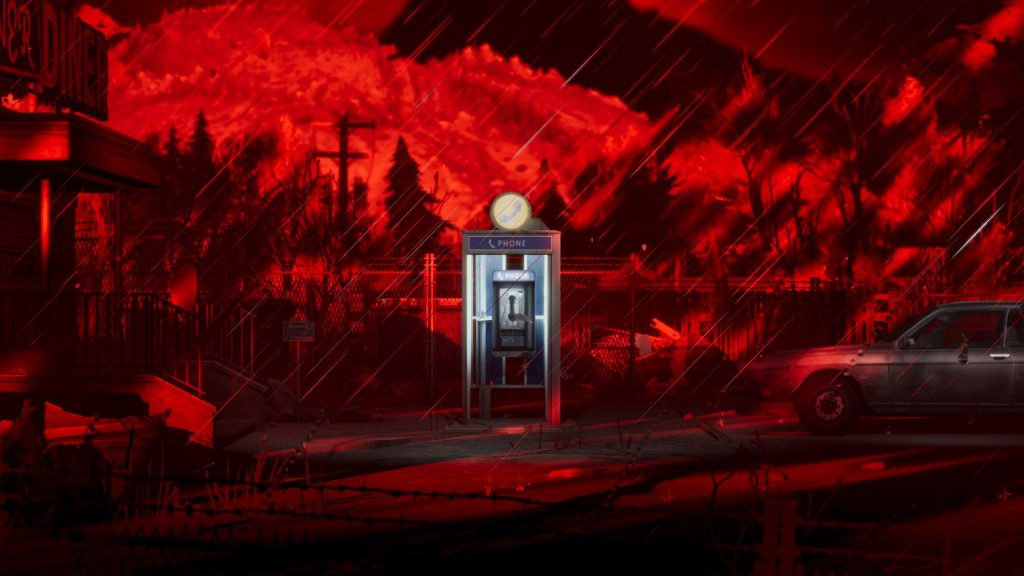
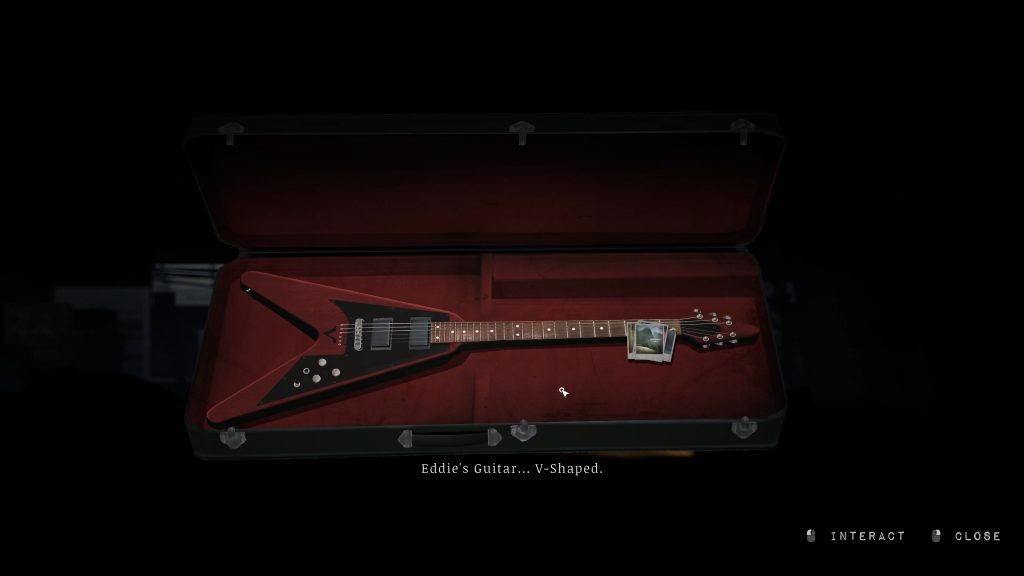
Silver Pines is packed to the brim with these staples and tropes. Yet if it was in a world of fantasy or science fiction, it would feel tired. Sending players on a wild goose chase to track down the missing musician Eddie Velvet opens up a sardine tin of referential joy. The town of Silver Pines is a a dusty slice of Americana. It’s a place where residents travel by ferry to cross the waterway connecting other parts of the town, like a good Stephen King novel in a haunted Maine hamlet. Early morning workers sit at the greasy spoon diner to sip their coffee before toiling away. Payphones dot the street and faded signage indicate a relatively quiet town that has seen more vibrant days.
Yes, the map is most certainly a character, as it should be in a game like this. But the map is also a character in tandem with Walker’s presence as a physical character. I delighted in opening the game’s map, it looking like one a person would pocket at a tourist trap’s visitor center. Over the course of the game, players find “map fragments” stapled to a telephone pole or a board next to the road. The player fills it out over time, red crosses showing blocked doors that require “powers” to advance through.
More importantly, however, is that Silver Pines gives players a wholly relatable place to exist in. That map that can be opened up while Walker still moves around indicates places of interest. But rather than a nuclear reactor or poison bog or Castle of Celestial Malfeasance, it’s the local motel, the veterinarian, a night lounge, or the sewers. It’s all so… plain, therefore delightful. The town of Silver Pines is a bunch of flat streets to navigate. Its “dungeons” mainly multi-floor buildings and the occasional dip into surreal dimensions.
The visual drabness of Silver Pines doesn’t dull its shine. It feels as if the fog from the water is interlaced throughout the streets, throttling any sunlight. The handful of residents who pay no mind to the chaos bubbling at the surface make mention of bad weather and that most have retreated to their homes or gone elsewhere. Evocative of Silent Hill and its treacherous conditions, Silver Pines corrupts the everyday. There are a handful of indicators that the game takes place in the late 80s or early 90s but it all has an intentionally timeless feel. A postcard or a page ripped out of a department store catalog or lifestyle magazine.
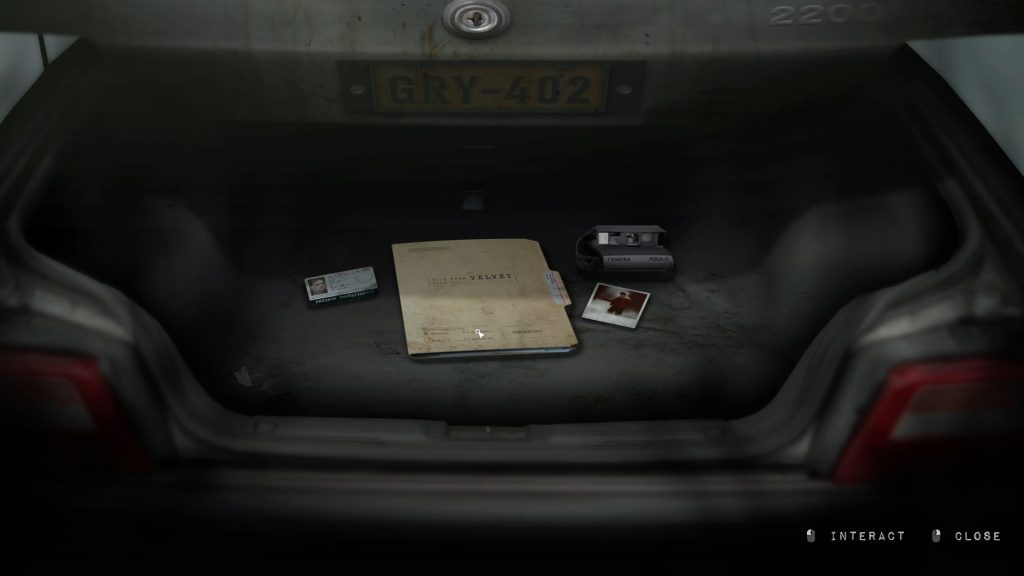
Exploration is slow and deliberate. The player learns about Silver Pines at a casual but increasingly tense gait, along with Walker. Notes are found, televisions and radios transmit news and shows, and the mysterious people on the other end of the phone wax obtuse to enshroud more questions. The slow burn of understanding the nature of seeking out Eddie Velvet, the town’s past, and Walker’s turmoil touch on hard-boiled crime procedurals but delve into the strange and bizarre.
Twin Peaks is a painfully obvious inspiration, much like with Remedy and Alan Wake. Wych Elm doesn’t waste it, thankfully. It’s not contrived enough to throw in a log lady but respectful enough to just vibe along with Lynchian tones to always demand more questions than reality would suggest.
As a survival horror game, Silver Pines dedicates itself to putting the player through it should they select a hard enough difficulty. And much of my enjoyment and meager frustration came from striking that balance of depriving players of just enough so that the tension is palpable when it counts and rewarding when the stranglehold is released.
To save, players need to use one-dollar coins at a payphone and dial a number, not unlike ink ribbons in Resident Evil. Change is also found in the coin release of payphones, bags, cash registers around town, and other places. To stifle some of that breathing room of the safety of a save, money is also used to purchase ammunition, healing items, and a few other scraps scattered around the town. As an added spin, the payphone can also be used to call numbers seen around town. Or try and give 9-1-1 a call. Do it.
The player has to use their best judgement or bow to potential desperation. When do you save? Is a boss fight coming up? And if that boss fight is coming up, is it worth it to buy some bullets or shotgun shells or some duct tape to reinforce Walker’s melee weapons?
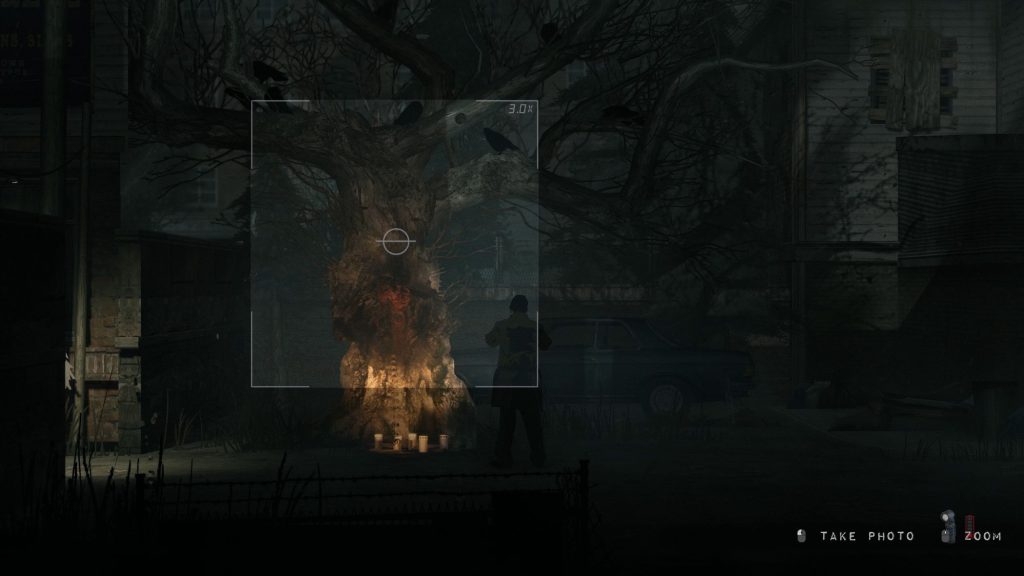
Juggling these concerns is often an interesting proposition and Wych Elm hedges the right bets in its survival horror Metroidvania. The player is never allowed to feel too powerful. After all, Walker is a strange man in a familiar town that is beset by strange horrors. A difficult encounter can often reward the player with a way to go back to a previous location, discover a blocked path, and reap the rewards. Storage containers let players keep items in a safe place for later use and as a hard counter to the limited inventory space where items can be arranged like Leon’s briefcase. Herbs can be mixed into bottles to be stronger. Ammunition is manually loaded into weapons with the press of a button. Mementos can be equipped to add passive benefits like taking less damage or increasing max stamina. Polaroid photographs can be taken of the scenery, acting as a brilliant visual marker should the player want a reminder of why they should go back to that memory.
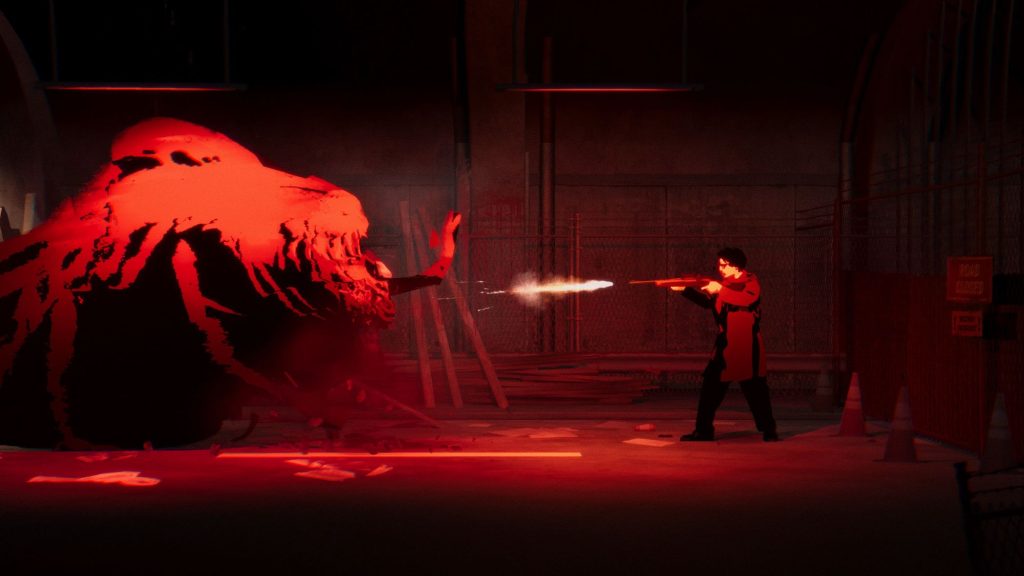
A number of thoughtful gestures bolster Silver Pines‘ strengths and elevate the experience to feeling more cohesive and less scattered. All that being said, I imagine players will want a bit more excitement from enemies both visually and mechanically. The first couple hours have a lot of shambling humanoid specters that can be dodged past at the right moment and sneaky arachnid-like pests that leap and slash. Because resources are limited, it might also have players force themselves into a feedback loop or trying to preserve ammunition and heals during harder fights. I felled the game’s first boss with a broken boxcutter. That’s because shooting it with a pistol didn’t feel significantly more effective and I’d rather have those bullets for padlocks.
The dance of stamina management and timing means that Silver Pines can be tackled on the hardest difficulty level. Its enemies aren’t meant to be insurmountable but intimidating enough to stoke fear. Yet its two-dimensional restrictions and normal human protagonist means that Wych Elm can only take things so far. There are times when Walker feels a little stilted to maneuver, especially during platforming or when trying to swap between melee and ranged weapons. Additionally, the game’s pacing can slightly falter here and there. It’s not because navigating the map is particularly troublesome or anything. I often found myself avoiding fights and enemies will usually pursue Walker for a bit. And keeping a monster alive means they will stick around on the return.
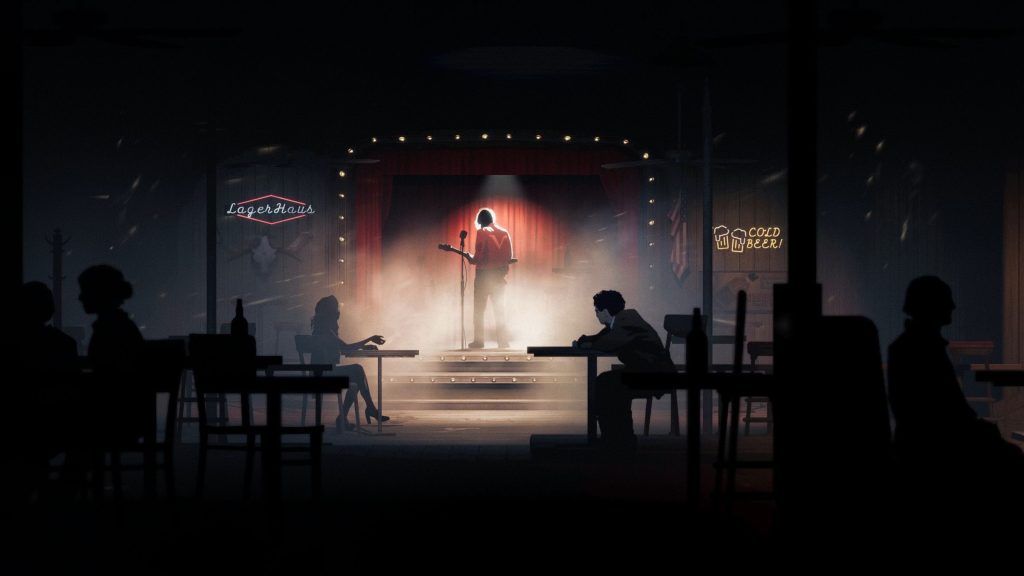
Silver Pines makes up for tangible, valid flaws with its incredible sense of place. The rotoscoped animations give movement a comic, pulpy feel befitting of the game’s tone while still appearing realistic. The town of Silver Pines is a realistic place not only because of its humdrum landmarks but because it doesn’t feel like an unrealistic videogame town. Streets are long and short. Alleyways are grubby and tucked away. Stores have things to look at even if they can’t be touched. Every screen has intention. And for a Metroidvania, it is crucial that a map serves not only a mechanical purpose but a practical one. This is a welcome take on a well-tread genre, capitalizing on Americana horror and Lynchian vibes to become a fresh entry among a busy crowd.