
Dying Light: The Beast Restored Land continues Techland's tradition of meaningful post-launch content and support for its games. Here, players can tackle Castor Woods with a new hardcore, solo survival mode along with a slew of updates for the base game.
The first time I played the original Dying Light was months after the game’s initial release. At the time, there was likely a lull in Destiny and my group was ping-ponging back and forth between different games that could support cooperative play.
Dying Light had probably seen a sale after its wildly successful launch in January 2015 where it had hit at just the right time. It had also given developer Techland several months to update the game and possibly stuff it with new content. Me and my friends spent a few weeks parkouring around Harran, slaying zombies, and trying to find dumb ways to annoy each other. Games like this are just better with friends.
Continuing with its traditional of phenomenal post-release support, Techland has just released the Restored Land for last year’s Dying Light: The Beast.
When The Beast released six months ago, I couldn’t help but compare it to 2022’s Dying Light 2 Stay Human. Techland went bigger with its sequel, a bigger open world with more things to do and a constant stream of updates meant to entice players into constantly returning. What I appreciated about The Beast was that it retained the spirit of Dying Light but reduced the size of the map and truly leaned into the series’ signature movement. Towns and villages felt dangerous and layered but there were always thrilling ways to navigate and move around the world.
In a bid to draw players back into Castor Woods–or simply give diehards more to chew on–Techland is using Restored Land as a way to drop more content into The Beast and provide a wholly new single-player experience.
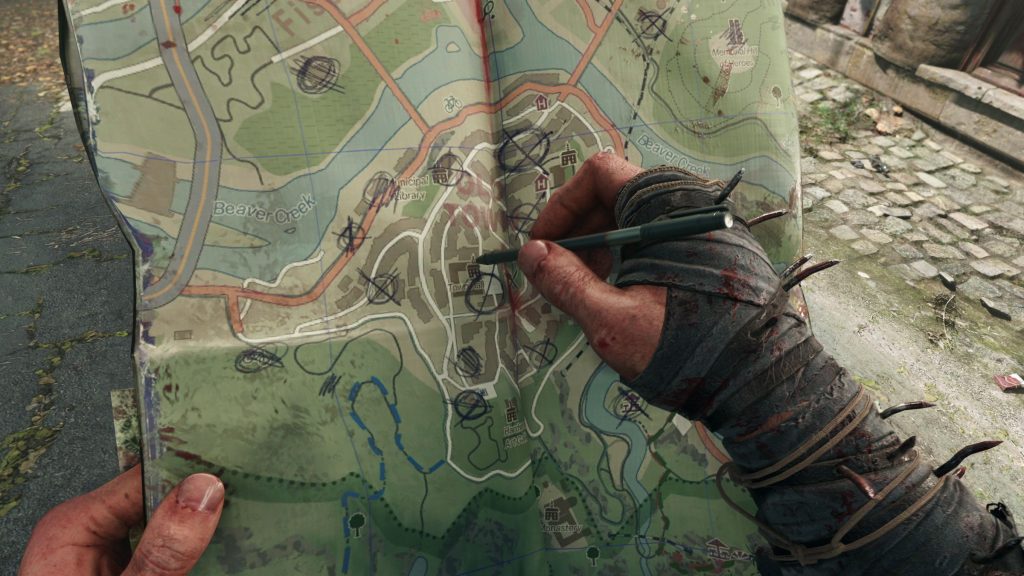
Restored Lands acts as a solo-only mode that incorporates survival mechanics into the foundation of The Beast. Here, players will find that when zombies are killed, they don’t respawn. This is a massively fascinating change because typically, having zombies always be present is an avenue to never allow the player to feel safe. In the base game, protagonist Kyle was working his way through Castor Woods in an attempt to seek revenge on The Baron, who experimented not only on himself but the populace. The player worked to unite Castor Woods against The Baron, driving the stakes for why completing missions was essential.
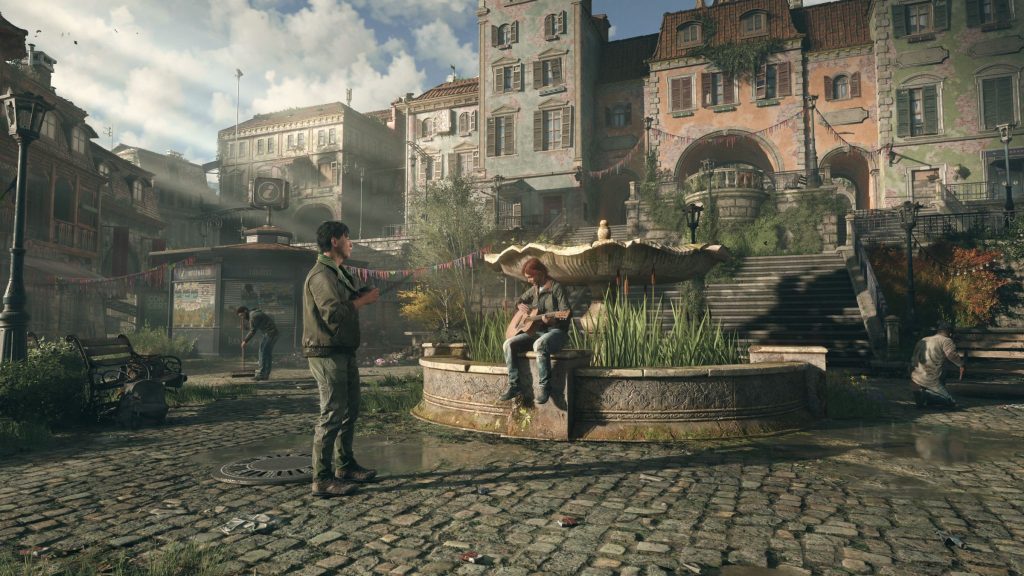
The notion that killing zombies and showing the player the progress they are making on clearing out areas in the map creates a feeling of accomplishment towards the narrative’s main goal. Restored Lands offers a spin on the traditional flood of zombies that always replenish and always pose a threat. But for a completionist like me who often relishes in cleaning up a map, having the opportunity to literal expunge threats for good is exciting. Narratively, it is also rewarding to watch as these once ravaged zones become inhabitable again and people move into them. It’s a touch that isn’t often seen in open-world games.
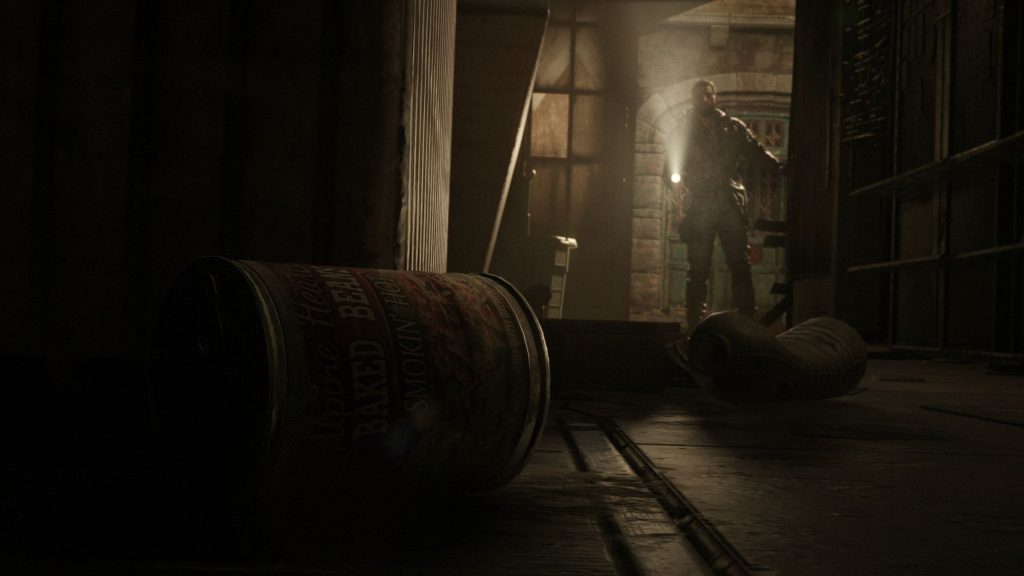
Now, if the player was merely allowed to accomplish these goals with minimal friction, it would be fairly easy. But survival mechanics are at play here to ensure that victory isn’t completely assured. When playing the Restored Land experience, resources are not as plentiful. Less items across the board means lootable containers won’t be as profitable. Shops will have reduced stocks and also charge higher prices for goods. Hunger will need to be staved off and flashlight batteries will need to be replaced to guarantee improved safety at night. Additionally, two independent difficulty modes–Survival or Brutal–can be chosen and a one-life permadeath option can also be selected.
Techland makes as good of an argument as it can for players to return to The Beast with the Restored Land mode. However, keeping it as something only solo players can experience may dull some of the excitement for veterans. If I’m being honest, Restored Land is probably going to resonate the most with newcomers to Dying Light: The Beast simply because there is a draw to intensely difficult games with a survival slant.
Often when I play a game like Dying Light, I know I’m going to have enough time to play through it once. In doing so, I usually like to maximize the challenge and play on the hardest difficulty. When I did this in my first playthrough of The Beast, I found the game to have a few tough difficulty spikes but nothing that some exploration and grinding couldn’t assuage. Had Restored Land been available at launch, I would have set that experience as the default to layer on more of a challenge.
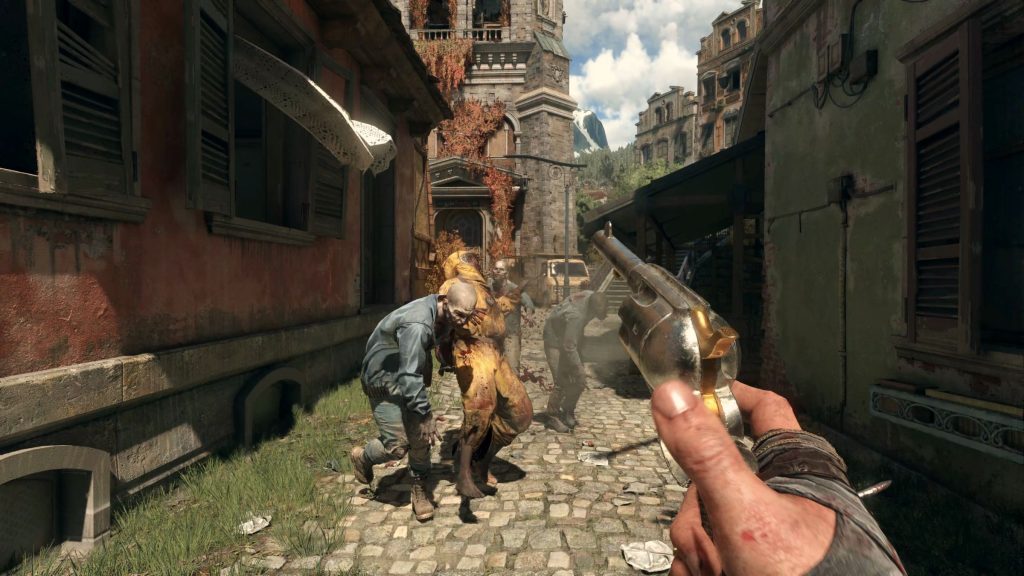
There are certainly going to be hardcore Dying Light fans who frequent The Beast enough that a new way to experience something old is going to be all the incentive they need to engage with new content. And I simply have to shower Techland with praise for injecting as much as possible into an already existing game.
Restored Land doesn’t clash with what The Beast already offered. I think would this have been in a game the size of Dying Light 2–and maybe there was an update like that I don’t know about–it might prove too much due to the size of the game. The Beast is tailored for fun additions like this.
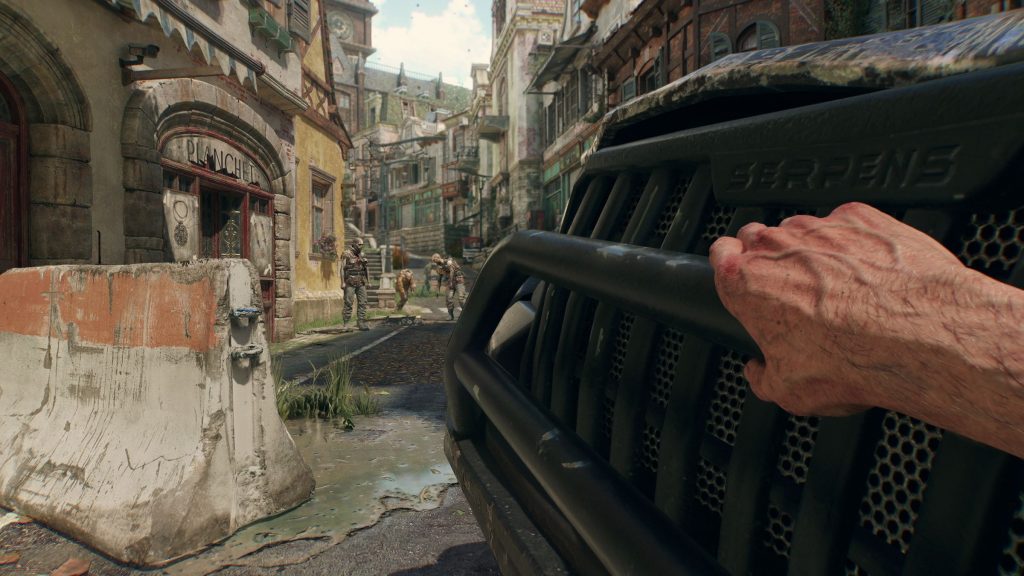
Also as a boon to the map’s size are the new Roadkill Rallies, a competitive series of races. Players go into Roadkill Rallies with the purpose of using a ridiculous spiked car to kill as many zombies as possible while racing to the finish line as fast as possible. Yes, it’s absolutely absurd but it works here because players can engage with it in solo or coop. It’s a fresh way to be drawn back into the map and players who have experience in Castor Woods should be able to climb up the leaderboards faster.
New events, stories, and faction encounters are also introduced with Restored Land. This provides narrative incentive to complete all the quests in the game and learn new details about the world, making it come alive just a bit more.
And those players who are already well-versed in The Beast will be treated to the option to a New Game+ that retains gear, weapons, and progression. But now enemies will be harder and loot will have increased rarity to compensate for the challenge. Additional New Game+ runs will further increase the challenge and rewards. Should players wish, Legend Levels return as the form of end-game progression. After reaching level 15, all XP will fund new Legend Levels that grant Legend Points that are spent on new passive upgrades. These include more health, more damage, boosted Beast Mode abilities and cooldowns, and even new cosmetic rewards.
Again, the new content offered here may only be for a narrow segment of players but the fact that it exists is why Techland’s track record has been so great.
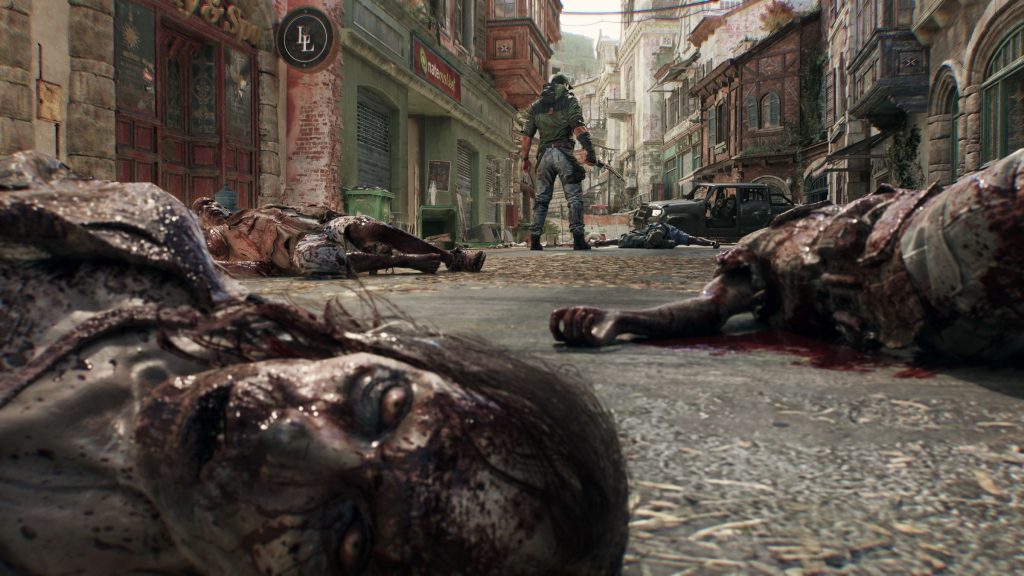
It’s rare that most games will get such hefty post-launch support and the last 10 years have seen each Dying Light game continue to improve beyond launch. The open worlds the developer makes are meant to be playgrounds where players can hang out with friends and take on hordes of zombies together. There are ways to enhance the challenge or to transform the solo experience.
Restored Land won’t be for everyone but its primary intent is to provide justification for anyone to want to play The Beast and have something they enjoy doing. Often I would rather a developer focus on updates like this rather than trying to add a tacked-on new area with an almost standalone story. Usually by the time something like that rolls around, most of us expect a new game. I can think of other ways that the core of The Beast can be used for new and engaging modes and I’m certain that Techland is listening to feedback.
Dying Light: The Beast Restored Land continues Techland’s tradition of meaningful post-launch content and support for its games. Here, players can tackle Castor Woods with a new hardcore, solo survival mode along with a slew of updates for the base game. Taking advantage of Dying Light‘s signature parkour movement and crunchy combat, Restored Land is a fantastic vehicle to dive into Dying Light: The Beast no matter your experience with the franchise.