

I know I have brought this up in intros for several reviews, but I must do it once again…I think I’m getting old. Why? Well, I’m enjoying more cozy games and simulators, two genres I actively avoided in my younger years. I’m sure we could spend all day digging up research and trying to figure out why this change occurred, but I’m just going to go with ‘getting old. ’
Anyway, another simulator crossed my desk a couple of weeks back with Two Point Museum from developer Two Point Studios and publisher SEGA. This game revolves around putting together the best and most profitable museum that features dinosaurs, fossils, and even frozen items (that frozen fridge was amazing). The game also requires the player to balance a budget while maintaining a steady stream of income, introducing new museum items for guests to enjoy, and managing employees. While it sounds simple on the surface, it’s anything but below it.
So, please sit back, pay your staff, and train your expedition team because we’re uncovering this review of Two Point Museum.
Start simple
I have had my fill of simulators over the past three years, and most seem to deliver overwhelming instructions in the front end that players must memorize and learn. In my opinion, that type of experience makes it feel like you’re actually in a classroom learning lessons before you can go to recess. If you’re out of K-12 or college, then you understand that gaming should not be that. You play games to take you away from work and life, not to force you to work. Having a book-load of instructions and forcing you to memorize them is not fun.
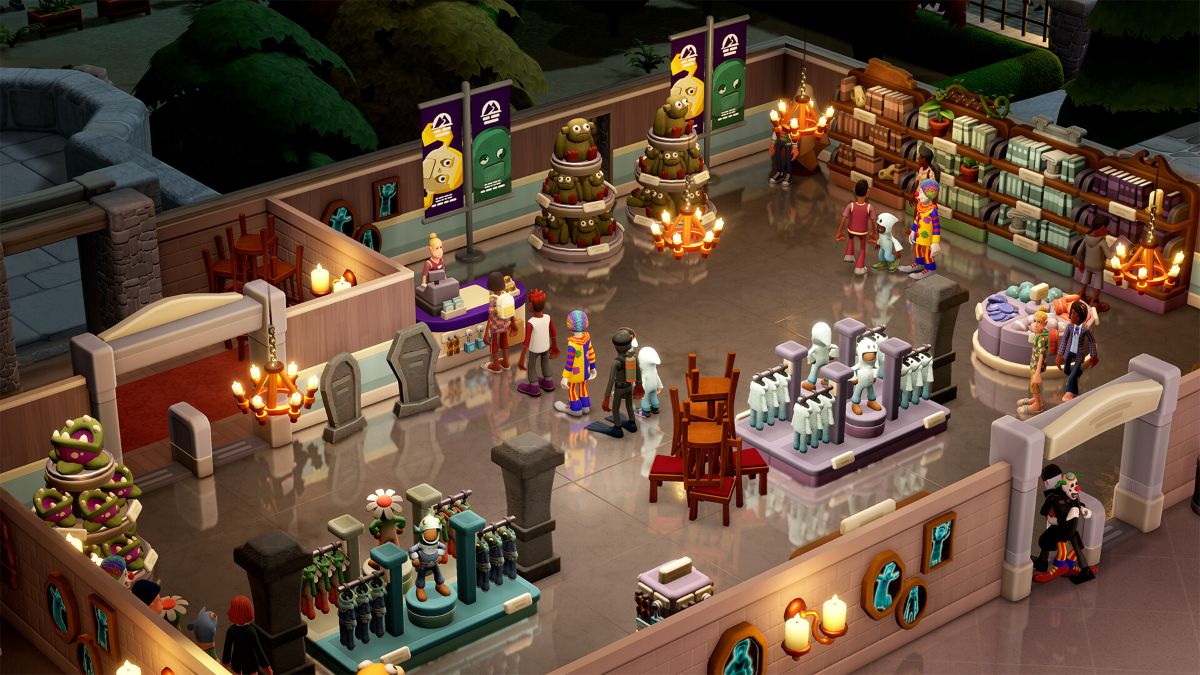
Two Point Museum takes a gentler approach when it comes to explaining what it is and what you can do within the gameplay. At the get-go, the game does a great job of feeding the player small bits of instruction that continue to grow with the player’s confidence. For example, when players begin, they are thrown into the mix with a hefty amount of cash, which they can choose to hire people (janitors, staff, security, and explorers), then put in their first fossils to open the museum. The gameplay then allows the player to understand that promoting the museum through marketing banners or introducing donation booths are ways to drum up buzz for others to come visit the place, while also adding more funds to expand the museum. Essentially, the game gives players an easy instructional information session, then lets them discover how to handle that initial jumping off point on their own.
After the player gets used to the environment and understands the controls and how to create profit and buzz, the game goes into step two of what to think about, which is exploring. Hiring an explorer, paying for an expedition to search a faraway land in hopes of finding goodies for the museum, adds another layer of simulator intrigue, as players will never know what their explorers are going to bring back until it’s back. Once the explorer returns, the game further pushes how to handle new items in the museum (put them in an inventory or display them) and how to promote them so guests will be happy.
The flow of this simulator is slow and steady with instruction, while allowing the player to try things out a bit and to explore on their own how to spruce up their museum. In other words, instruction doesn’t feel like a chore; rather, it feels like a small reminder, which makes the game much easier to ingest as you go along. That’s important because devs should never throw too many details and instructions out at once, or make this type of game more of a classroom rather than a game. Two Point Studios starts simple with Two Point Museum introductions and just adds onto the experience as it sees fit.
Ultimately, if you’re not a simulator person because of the typically overwhelming frontend instruction, then you might be after this game. It makes the gameplay feel like it’s owned by the player and sprinkles in new items and details along the way without piling it on. I wish more simulators acted this way.
Gameplay
The gameplay is divided into two goals: maintaining a museum while keeping it interesting, and managing budgets to keep the museum in business. Both goals are connected to several gameplay elements of Two Point Museum, and it makes this game an entertaining juggling and balancing act.
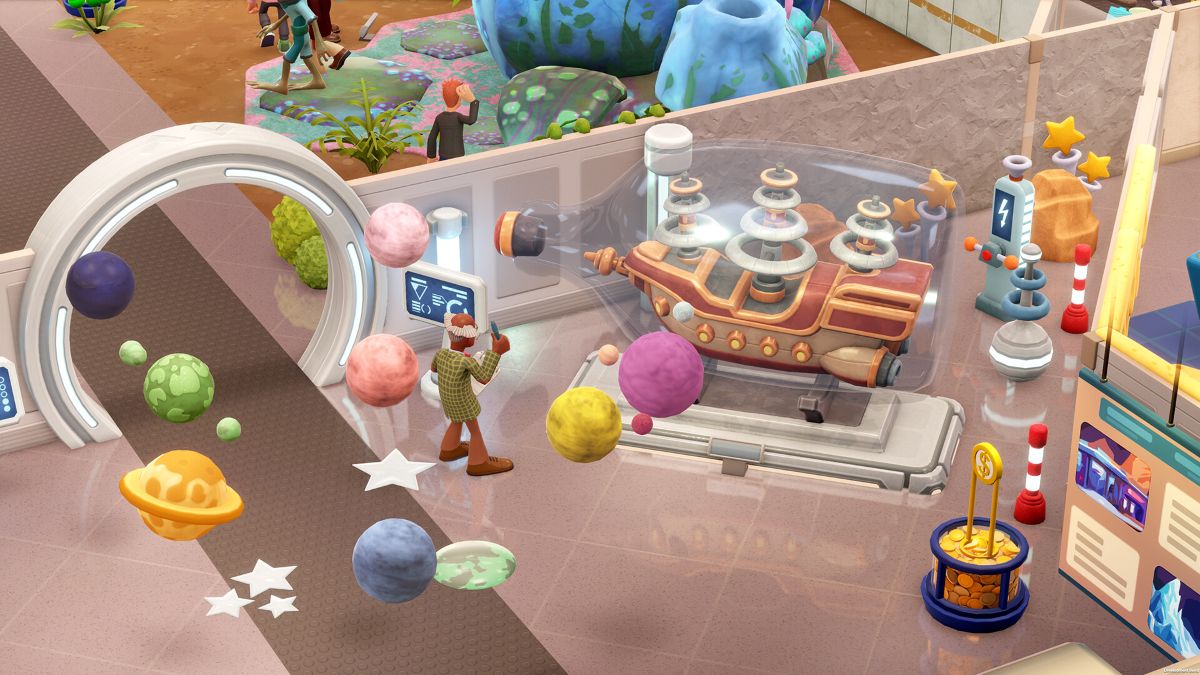
Once the museum is up and going, the player must then keep bringing in new items to keep it fresh and entertaining. Every expedition the player sends out takes a lot of money away from the budget, while also running the risk of bumping into trouble or injuring the explorer. The former is presented in a branching narrative, where the player can choose how to react to a certain situation. For example, during my early gameplay session, my explorers ran into a secret tribe they didn’t expect. The game asked me if I wanted to ignore/avoid the tribe or approach them. I chose the latter, and everything turned out well. Moments like these during exploration will either upgrade your explorers and boost their morale, or they will backfire, and players will end up needing to heal their explorers, which puts them temporarily out of commission. It’s neat to have this type of branching moment, and certainly worth taking risks because there aren’t any real consequences other than injury.
The explorer gameplay aspect is particularly a gradually intense affair, as it starts by simply sending people out on their own, and then it becomes complicated by asking players to train their explorers and pick the type of expedition they want them to do (quick, safe, etc.). Much like everything else in the game, it’s a balancing act of decision-making that adds to the intrigue of risk/reward of the gameplay.
Anyway, getting back to the explorers finding items, when the explorers return and bring back some random goods, the player can choose to display those goods or store them. Sometimes the goods can be dinosaur bones, which can be found in pieces rather than the whole animal. What that means is that explorers will have to go out multiple times in hopes of discovering the rest of the skeletal remains, which didn’t happen back-to-back once for me. It is a random process of ‘cross your fingers’. BUT! Even if the player doesn’t have the entire bone collection, the discovered dino can still be displayed and will create buzz. It’s just that eventually the player will have to complete the skeleton to boost the museum’s buzz, which means the player has to make sure they have the funds to keep exploring.
Now, as for the museum itself, as the player continues through their gradual instruction session, the game becomes more complicated. It starts with simply putting things out in the building, labeling them, and making sure there are donation boxes nearby. From there, the player starts to slowly unlock more goodies to spruce up the museum, such as decorations, maybe putting in a gift shop, and just making the entire place user-friendly and welcoming. Everything added to the museum must be done in a positive way, which is determined by visitor reactions (shown in a thought bubble). This forces the player to keep an eye on the museum as they change it and listen to the visitors.
As the museum begins to gain notoriety, the player has to start looking at risks/rewards, while also keeping track of symbol-based comments from visitors that tell them what they need. For example, the game starts with just one bathroom, but as the crowds get bigger, players will find more people needing to use the restroom, so an additional bathroom is necessary. Building a bathroom takes up space and takes money, which can bite the player later in the game. When to expand or add to the museum is part of the gameplay fun, but requires logic, reasoning, and the right time to make it work. Saving money to accommodate visitors, while also expanding the museum with more explorations and findings, is an enormously addictive balancing act.
As the game rolls on, and more decisions have to be made to maintain a fresh excitement about the museum with its visitors, the management aspect of the game gets even more complicated. Midway through the first experience, the game threw at me a new aspect that I hadn’t experienced yet, which was disgruntled employees.
As the museum becomes bigger, the player will have to deal with disgruntled employees who want raises, feel underappreciated, and/or want to expand their careers. To help, the player must build a nice staff area, training area, and/or provide additional compensation. Doing all three means that a player’s budget is impacted, and getting the most out of their explorers is a necessity in order to gain profit to pay for the additions and adjustments.
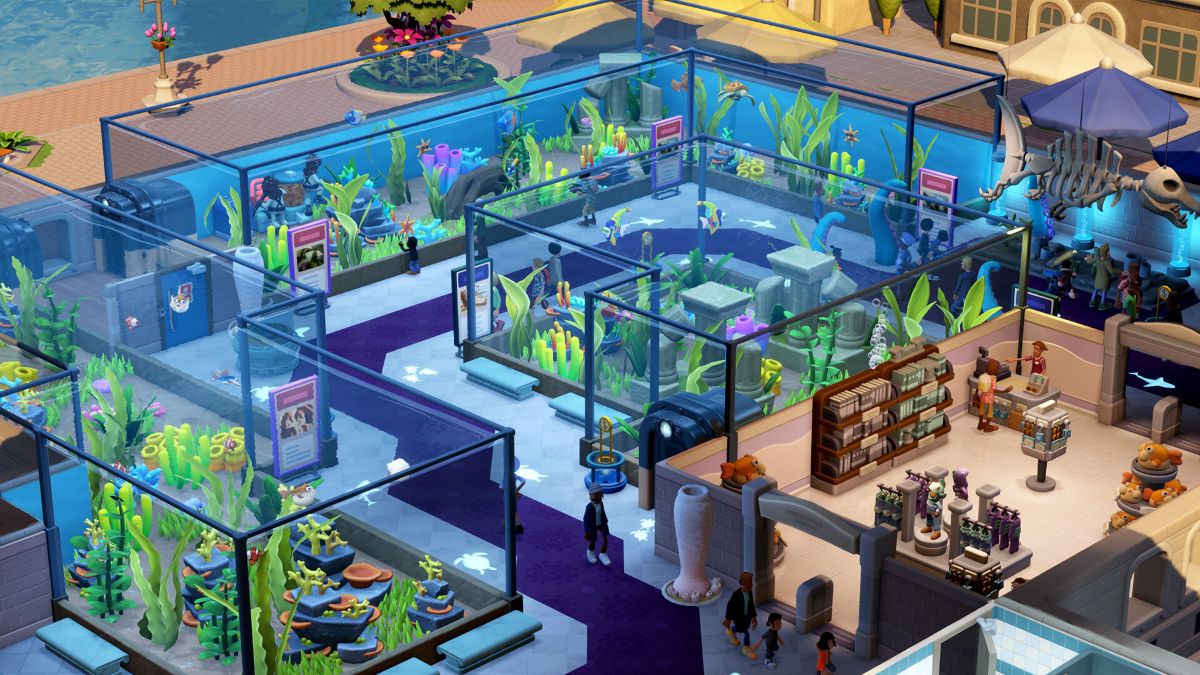
Being forced to keep an eye on employees while trying to make decisions to make the most out of a museum is not an easy task, but it never feels overwhelming or burdening once it arrives. It just adds a layer of intrigue to the overall gameplay experience. Going back to the slow drip instruction of the game, it eases players into the idea of being aware of more things around them, other than just cool items that make money. Again, that is appreciated and expected, as well as executed brilliantly, as the game never feels ‘too much’.
To deepen Two Point Museum’s gameplay even further, the game also requires you to watch ticket prices, fix items when they break (such as the explorer’s helicopter, which breaks often), and then deal with smaller bits and pieces. The game gradually brings a lot of complications to the table without just piling them on at once, which helps when the juggling act of gameplay gets more intense.
Overall, balancing a budget, building a museum, helping (or firing) employees, and improving a museum by making it your own makes this game more fun than it should be and wildly addictive. If you especially enjoy management-type games, then Two Point Studios and Sega built this puppy for you.
Anyway, let’s wrap up this review.
Conclusion
Two Point Museum, from developer Two Point Studios and publisher Sega, brings a fun and wickedly addictive museum simulator that runs deep with its gameplay. While it’s certainly not as complicated as most simulators of its type, it’s still well thought-through and executed in nearly every aspect of its gameplay.