
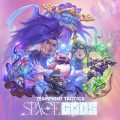
I was only able to play a few matches of SPACE GODS during my preview period, but let me tell you: It’s a pleasant take on the classic Teamfight Tactics experience that is sure to make lots of players happy.
Chumps Preview is a special kind of post where we unofficially preview games in Early Access, Beta, or are otherwise “unfinished.” This kind of preview is meant to be a first impression rather than a definitive review where we provide a rating to determine a game’s value. As such, we fully expect a game covered in a Chumps Preview to have room for improvement, some bugginess/incompleteness, and other features associated with similar games in the category.
Once again, DigitalChumps has an exclusive first look into Riot Games’ autobattler, Teamfight Tactics. This time around, we got to try out SPACE GODS, TFT’s 17th set before it released to the public on Riot’s Public Beta Environment (PBE) and later for all players on Live Servers. As with prior Chumps Previews, this is a very early look into upcoming content meaning that everything is subject to change and in no way final. Let’s get to it!
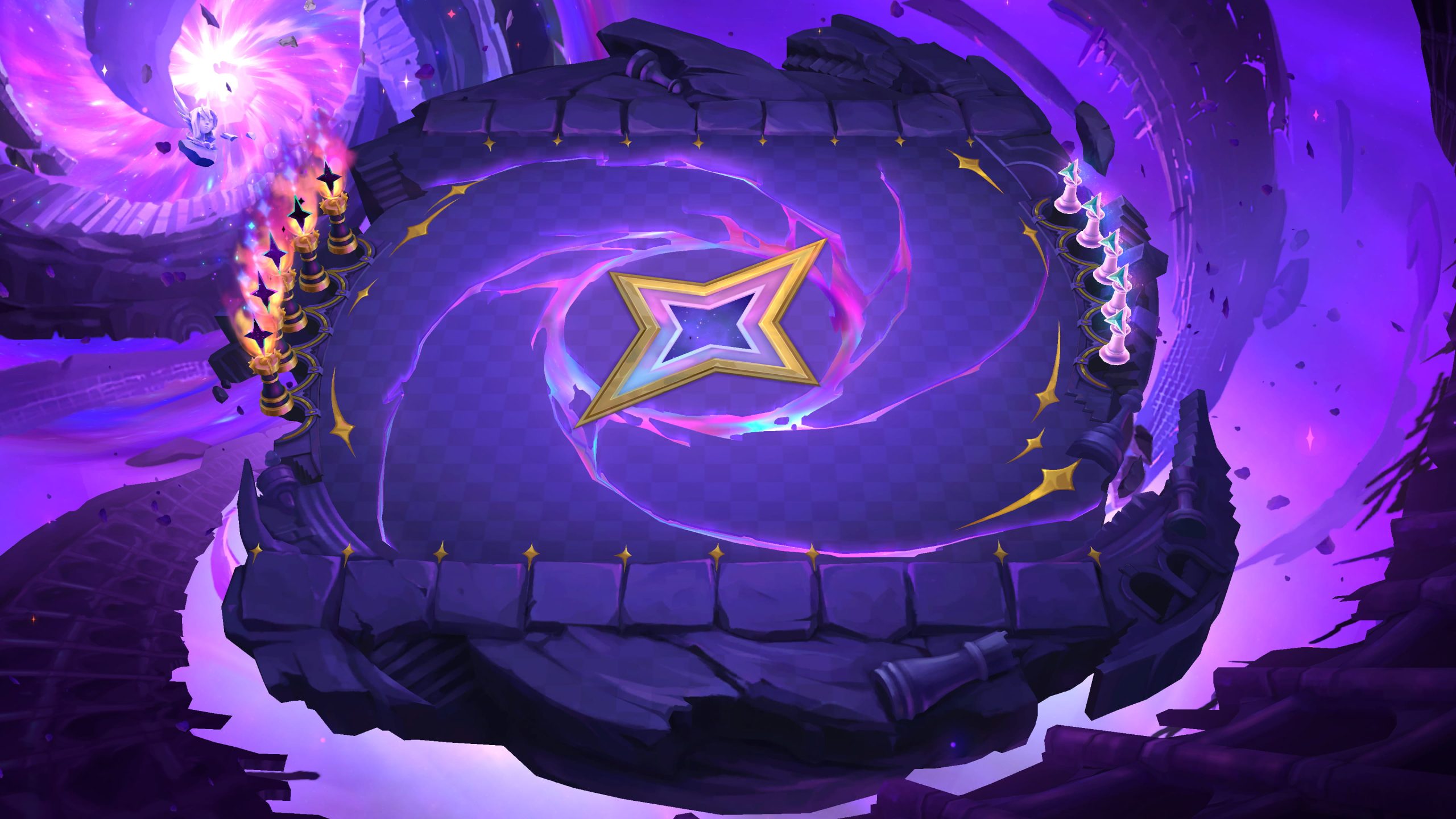
 Have you ever wanted to play a match of Teamfight Tactics and be judged by sexy gods and goddesses straight out of Supergiant Games’ universe? That’s the general vibe and aesthetic of SPACE GODS, but with far less Greek influences. Riot has knocked it out of the park with a novel thematic this time around that fully leans into the idea of parlaying with celestial beings deep in outer space. From the groovy Space Groove music to the menacing Dark Star black hole that eats up units, players will keep their eyes on the stars to earn the favor of their favorite League of Legends champions-turned-gods.
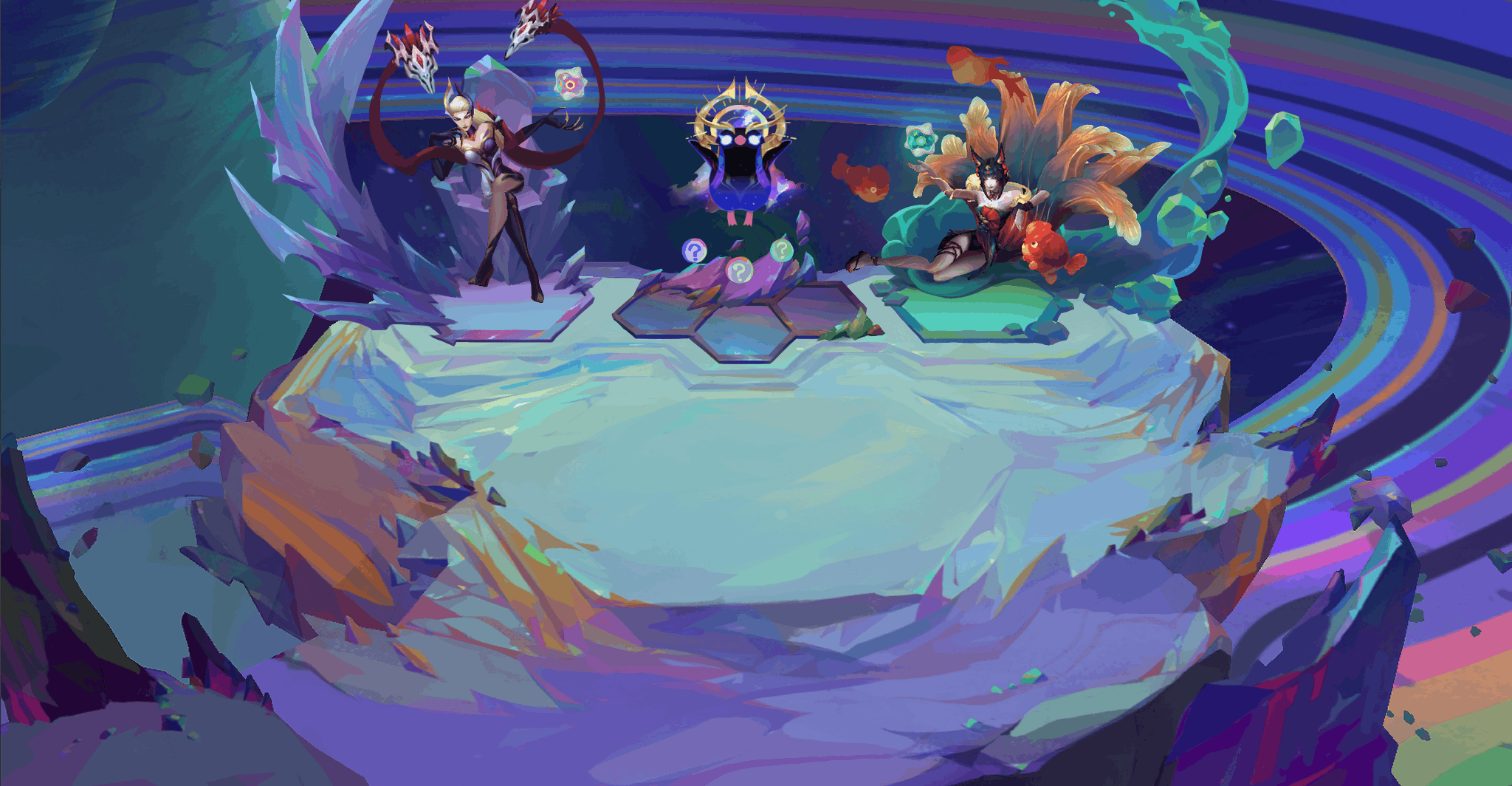
SPACE GODS’ set mechanic is called “Realm of the Gods,” all about aligning with the gods during what used to be carousel rounds. Yes, the carousel is no more – I’ll discuss that in a moment. At the start of a TFT match, I was shown two gods that I would later interact with. In the middle of each Stage (where carousels used to be), I could then ally myself with one of those two gods by choosing a boon. These boons ranged from a free unit, extra gold, a consumable item that permanently painted a hex on my board, a guaranteed Scuttle Puddle encounter (thanks, Ekko!), and so much more! After reaching Stage 4, the god I had selected most often emerged and granted me a rerollable treasure trove (just like DragonLands’ Treasure Dragon).
With the absence of the carousel, games feel less sweaty and far less painful than before. No one is sacking the first few stages just so that they can get a rod or bow for an immediate Guinsoo’s Rageblade. On the flip-side, there’s no griefing enemy opponents by taking away some item or unit needed to get their comp online. Things are left up to the RNG gods this time around, literally and figuratively. It’s a welcome change that lets me focus on what I can do to win instead of making other players’ games miserable.
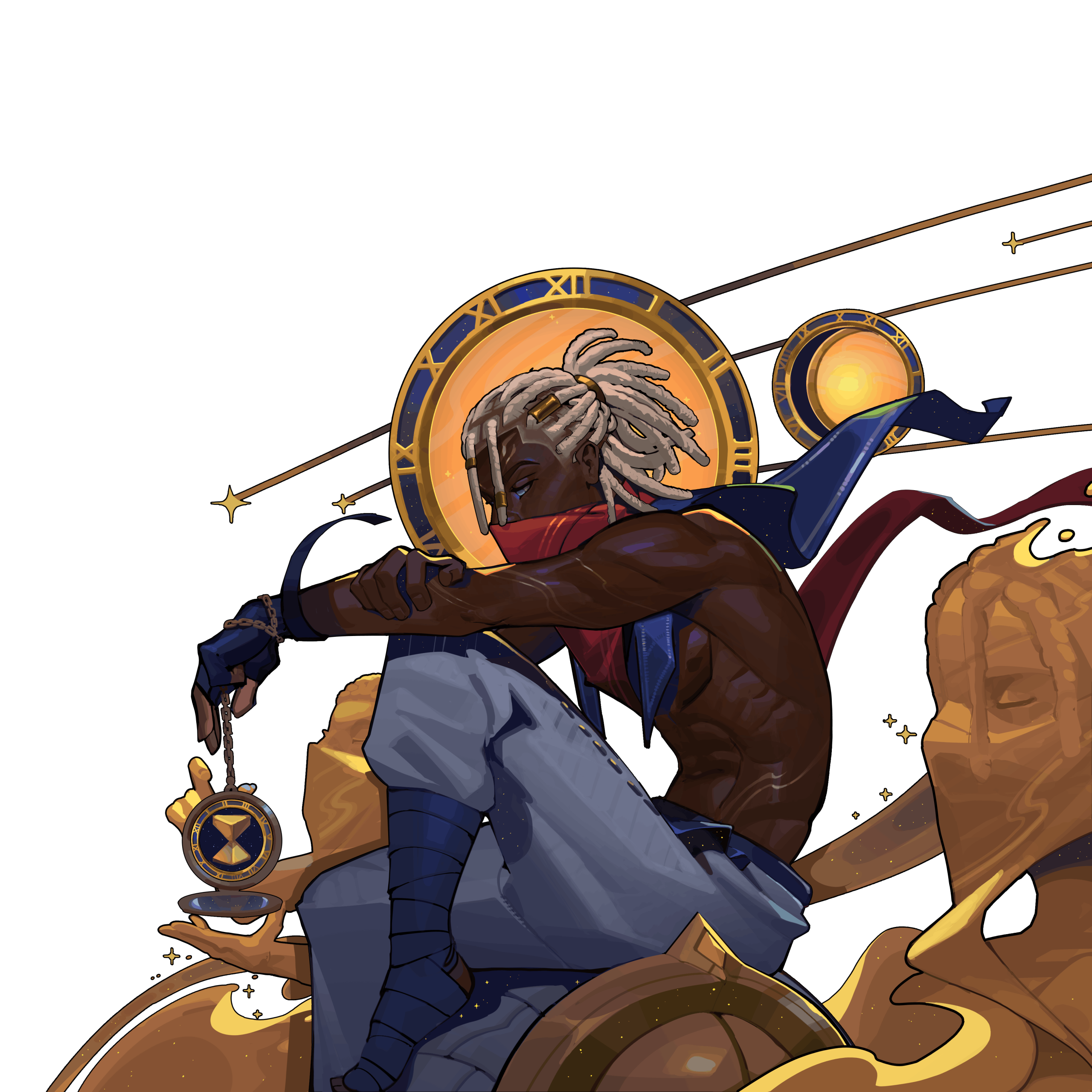 Choosing between the two gods is a treat for the eyes just as much as it is a delightfully quick decision. Boons are far simpler than augments and often come down to deciding between some additional gold or a random component. The benefits (like gaining a few health points or a guaranteed 4-cost after 3 rounds) feel like small nudges of power instead of game-warping effects. It’s TFT at its simplest and most fun. It’s too early to make assessments of fairness, but I get the feeling that the wagering aspect will lead to some fun interactivity down the line.
Remember how I said that SPACE GODS has a Hades vibe? Look no further than the art design. When I visited the Realm of the Gods, I would see two gorgeously designed portraits of Space Gods celestial beings. Evelynn looks like Chaos (from Hades 2) while Yasuo is lounging and seductively posing ala Dionysis (from Hades 1). What’s even more delightful is the boon selection screen: The Gods reacted when I hovered over the two choices. There are lots of wonderful Easter Eggs and small details here.
On the trait side of things, I’m pleased to note that this set has some familiar traits (in terms of functions) with novel spins. For instance, Meeple functions similar to the AMP trait from Set 14 while also granting players a cloning slot on the bench once the 7-piece is online. Stargazer is a more interactive version of the K/DA trait featuring randomly assigned empowered hexes that increase in quantity when the player levels up. Dark Star is a satisfying trait, summoning a black hole that executes enemies at 10% health. The more Dark Star units you field, the stronger the units become.
Moving onto five-costs, Shen, Graves (has a “Factory New” skill tree that grants permanent upgrades) and Bard stand out the most. Shen’s Bulwark trait summons a placeable relic at the start of combat that boosts their health and attack speed. Bard, a Meeple, summons a UFO that can abduct enemies and prints a copy of the abducted enemy onto my bench. Graves is flexible thanks to his “Factory New” trait, granting him a skill tree of permanent upgrades. If you liked Ryze from Lore and Legends, then Graves will feel quite satisfying.
 With every new set, we say goodbye to the last set’s mechanics and hello to new content. Unlockable units and getting a unit (relatively) guaranteed felt great. Not having guaranteed units is sorely missed – it makes it so that not hitting a unit feels just as punishing as it was pre Lore & Legends. I get it, though, that’s part of the variance of TFT and linked to skill expression of playing what you do hit instead of seeking things you’re not hitting.
Like always, we were given some sneak peeks as to this set’s newest cosmetics. There’s a heavy emphasis on Anima Squad and Star Guardian cosmetics this time around. I’m not the biggest fan of those two thematics, but I absolutely love the sparkles and designs that the team created. Keep your eyes peeled for a Nemesis or two!
I was only able to play a few matches of SPACE GODS during my preview period, but let me tell you: It’s a pleasant take on the classic Teamfight Tactics experience that is sure to make lots of players happy.