


This is in my top three games of 2026. Without a doubt, one of the best so far.
Star Wars: Zero Company from developer Bit Reactor and LucasFilm Games brings a tactical backbone in a Star Wars wrapper. Within that tactical structure are simple ways to play, a narrative that drives gameplay through operations and missions, and plenty of room for player agency and gameplay longevity.
There is so much to this game, so let’s not waste any more time and get right into it.
Story
The main character, Hawks, leads a mercenary group occasionally hired to take down baddies, separatists, and/or other questionable groups that need eliminating. The story begins with the mercenary group in a downturn and struggling to keep their finances in the black. After many successful missions, most of which have seen the group being swindled out of money, they end up finding their honeypot. Their big break occurs when they’re hired to hunt down a rather nasty leader named Kundri Fathom, the head baddy of a group called the Coil. The separatists have been hell-bent on unleashing some pretty nasty stuff on an unsuspecting galaxy by initiating people hungry for power and who are worthy of the group’s sacred blood. Trust me, the baddies are truly bad, but in a good way.
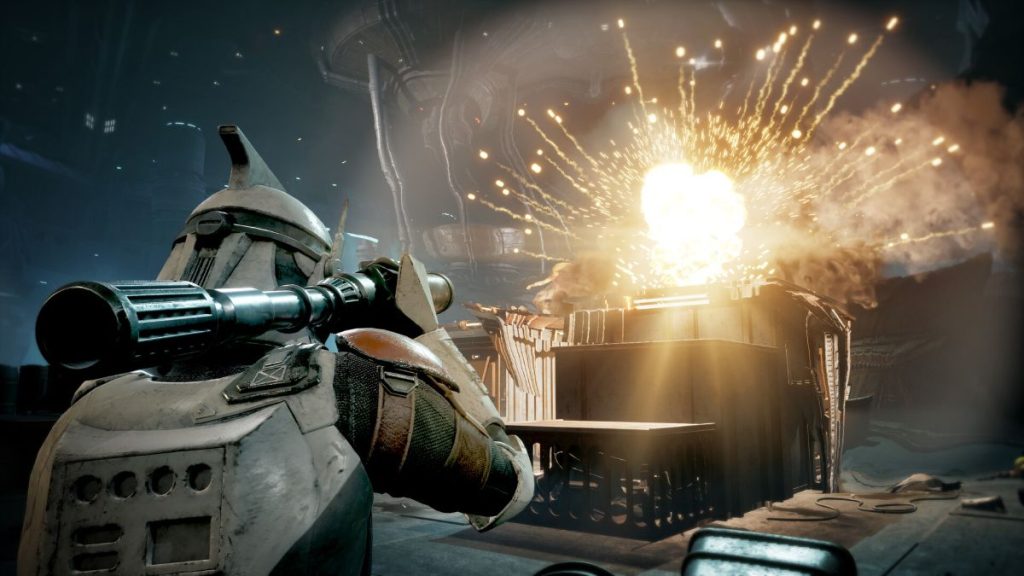
In addition, the narrative is set at the end of the Clone Wars, but instead of working within that narrative, it sits below it, working at a distance. The story is more than solid in its direction, as it will occasionally show off and mention familiar faces, but for the most part stays out of the well-known Saga to follow its own path with new faces and a new threat to the galaxy. The narrative is in the same vein as Star Wars 1313 (RIP), where familiarity is present but doesn’t drive the story, and it follows what fans know without borrowing too much from it.
The game’s story makes the stakes feel real. While It’s easy to cover up any meaningful story with good gameplay, Bit Reactor chose not to go that route. For example, Hawks is a leader with problems. He is struggling to do what’s right while also trying to balance taking care of his team. Every decision he makes is questioned, and he must answer in a branching narrative way, balancing keeping people happy with doing what’s best for the group. You can feel his struggle as a team member occasionally gets out of hand because of a bad decision that could cost the team.
Right out of the gate, the player is handed problems, and stakes are set. If Hawks and his team don’t earn more money, he’ll not only lose teammates but also risk being hunted down by the Hutts, whom he owes money to. The story’s pressure comes through the gameplay, which should work hand in hand and, thankfully, does. When the player can feel the story through the gameplay, then rest assured a game is on the right track to delivering something special.
And that ‘something special’ isn’t necessarily about the main story of the game. Sometimes teammates bring up their own grief and pain from the past in side dialogue with Hawks, which leads to operations/missions to help put things to rest. The story can go in all sorts of directions outside of the main narrative, which only bodes well for the player. The player has full control over whether they want to take those side quests or stick to the main mission. By doing the latter, gameplay can be shortened, and relationships can be damaged in the process. This tactical game has many quests that contribute to a bigger world and the stories that come with it. Each story adds to the world and builds not only the galaxy but also the characters along the way. In short, the game puts a lot into its story, and nothing seems to go to waste; it offers plenty of player agency with smaller operations (side quests). All of it drives the gameplay experience.
That galaxy gameplay experience
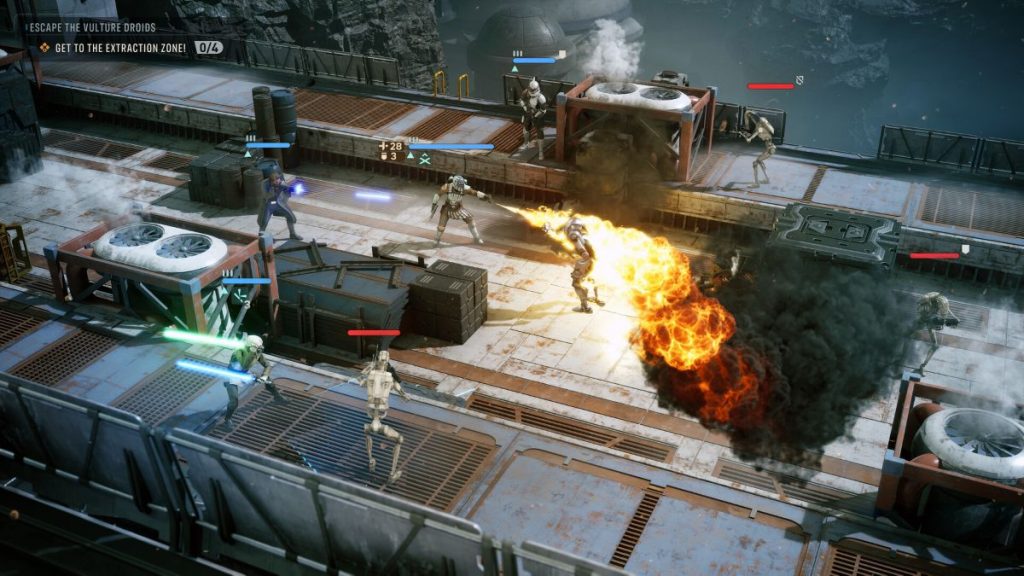
While the story does drive the gameplay, the gameplay isn’t too shabby. The tactical elements lead the way. On the surface, the tactical gameplay experience is what you would expect from a game of this type. Players will position their team on a large isometric map, trying to outgun and sometimes outmaneuver enemies. Goals will change from mission to mission, so tactical strategy will change with them. Fans of the tactical genre will be familiar with this gameplay construct, as it’s the same for games like Final Fantasy Tactics and pretty much any one of the thousands of tactical games on PC (tons of them). And just like those games, Star Wars: Zero Company works swimmingly within the genre it was built for.
So what did the devs at Bit Reactor do to separate it from the genre’s same gameplay humdrumness? The first big thing they did was simplify the controls and make the game accessible to players of any level. That is tough to do in a tactical game, since most developers overcomplicate the gameplay experience because they’re geared toward a more technical, strategy-driven player.
I was incredibly surprised by the simple controls and the easy-to-understand gameplay elements that drive Star Wars: Zero Company. Bit Reactor built this game around a radial menu that differs by teammate. This radial menu provides movement, offensive, and defensive options. The same menu also includes healing, special moves, and powerful actions that can be used only once. It’s simple, it’s clean, and it’s quick. Instead of messing around with F keys or having to move a mouse to a large bar of options at the bottom of the screen, it’s just a twist of a thumbstick to the right place and the push of X on the controller to execute. Again, it’s a quick and easy way to drive the tactical portion of the gameplay. Anyone can grasp how this game works through this simple radial menu. It’s easy, impressive, and I wish more tactical games adopted this method.
Because the game is easy to understand and execute thanks to well-designed controls, it puts strategic execution at the forefront of the experience. For those players who have never played a tactical game before, this is how they work. A team of characters is placed on an isometric map where they use action points (AP) to move and/or execute offensive/defensive moves. How the player uses those AP and manages their characters’ positioning is a huge part of the genre’s fun. Star Wars: Zero Company follows the same gameplay, as moving Hawks and his group into the best strategic position to accomplish their goal is involved and addictive.
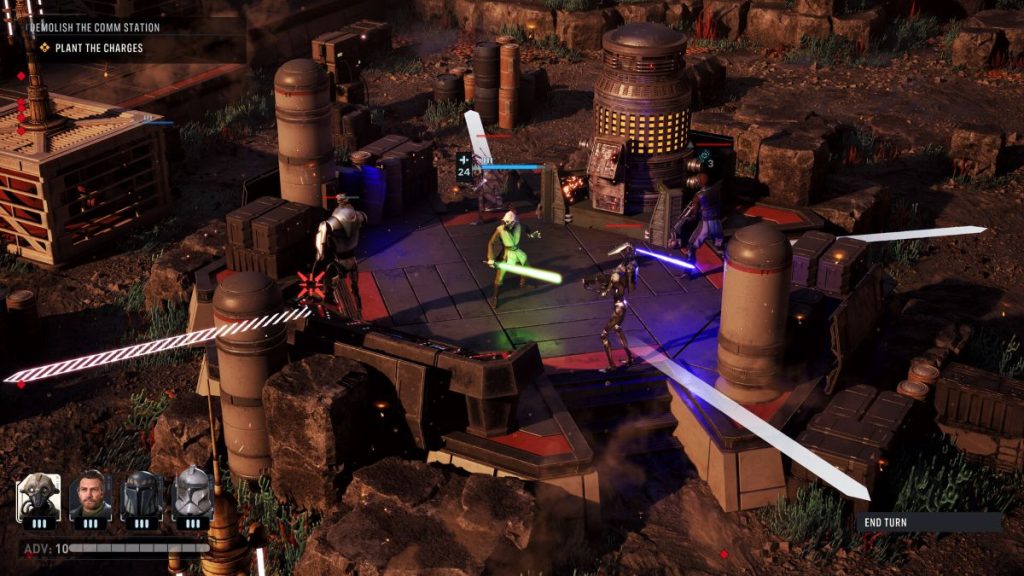
It’s super fun to be dropped on a map and figure out the best placement of the characters during battle. To make this even more fun, Star Wars: Zero Company features multi-tier leveling, which means there is truly a high ground most of the time. Yes, feel free to say that out loud and relive Ewan McGregor’s nightmares. Hey, he warned Anakin.
Anyway, strategy plays a big role in the gameplay, as does character type. Some characters have certain attributes that work differently than others. For example, there is a clone on the team named Trick. He uses up his AP quickly during battle, but packs a good punch with his rifle when the aim is right. He may not have multiple moves to give, as AP is more expensive with him, but he can take down baddies with a lot more ease. That type of character variety and functionality only lends more to the importance of strategy and how delightfully involved it can be. The characters featured in the game come in a large variety of different constructs. Each has its own balance of power and push, while complementing teammates when used right. In other words, lots of characters, and they’re all interesting.
Now, what also plays even more into this gameplay is the backend construct. Character strategy and how you approach a battle can be tweaked based on backend decisions. When Hawks and his crew are back at their home base, players can adjust character attributes with a skills tree, adjust weapons in a Call of Duty-like way, and even help develop relationships through training. These backend additions add a more complex layer of potential strategy to the overall experience. For example, adding a scope to a rifle means a character can deal more accurate damage from afar. Upgrading skills can make a character more powerful, or can make them speedier (or a bevy of other things).
The backend offers a more robust way to play this game and gives a layer of intelligence to its design. All while still sticking to the original tactical construct of simplicity. It’s all easy to understand and control. Most of all, it’s addictive as hell to mix and match different attribute adjustments to see what type of team a player can get on the battlefield.
Staying with team type, Star Wars: Zero Company lets you recruit new characters from the galaxy. This means there are more characters with different styles and capabilities to add to a team. It makes the game much deeper as players adjust characters and explore the many ways they can approach the game’s tactical component. It’s ridiculously huge in this area, and it just adds more longevity to the experience.
Now, just because players can recruit new characters doesn’t mean they aren’t responsible for their well-being. The game includes a happiness scale that shows players how comfortable and happy their teammates are with the group. If a character is recruited, they have to be involved with the teammates in some way. They must be taken to battle or given operations to go on, and they must be active. If they aren’t, then they will grow unhappy, and that is never good for the group. It’s a wildly small detail that adds a bit more pressure and strategy to the game as a whole.
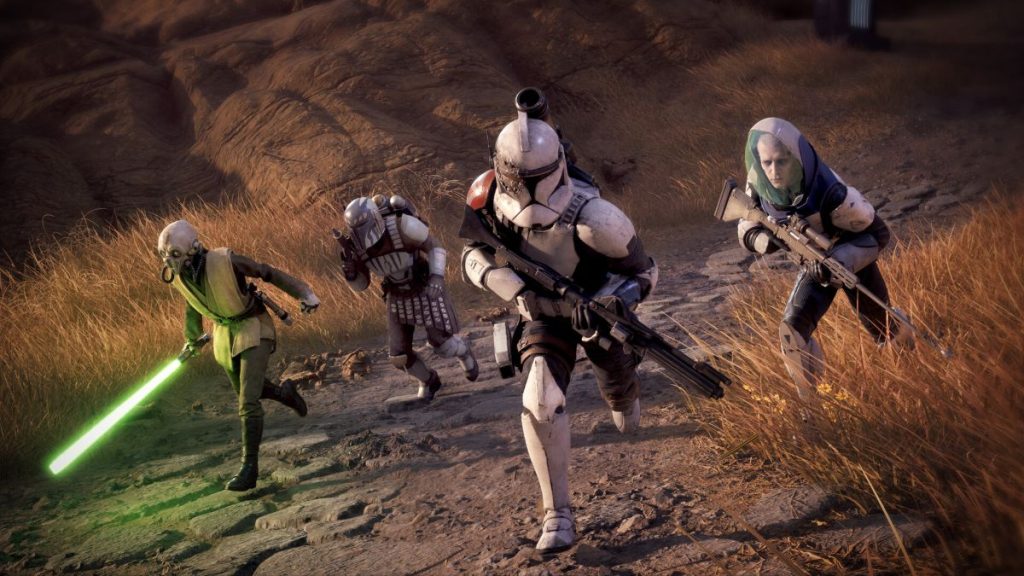
Overall, Star Wars: Zero Company has a lot going for it. It’s driven by a narrative and a series of smaller stories; it features wonderful, simple tactical gameplay, and it’s deep in strategy and character development. I am not wrong to say this is quite possibly one of the better uses of the Star Wars IP in the last 10 years or so. It’s a tightly knit game that is fun to play and will satisfy Star Wars fans.
On that sweet note, let’s wrap up this review.
Conclusion
Star Wars: Zero Company from developers Bit Reactor and LucasFilm Games is a tactical masterpiece. It’s fun, it’s easy to learn, it’s immersed in good Star Wars lore, and it’s an incredibly deep tactical experience.