
Decision-making is tough. Having to pull logic from the decisions before making them is even tougher. Who likes logic? Probably everyone.
Anyway, Sovereign Tower from developer WILD WITS GAMES and publisher Curve Games is a game built on logic and decision-making, while also depending on gut feelings as a moral human being. In short, this game is amazing to play. While I normally wouldn’t tote a logic-based game not named Phoenix Wright Ace Attorney, I must admit Sovereign Tower hit all the right notes. It’s a good narrative, brings compelling situations, and a lot of important branching dialogue that will certainly make you go ‘hmmmmmm’.
What doesn’t Sovereign Tower have? Many flaws. The game is impeccable in its execution and rarely dips into boredom during gameplay. The decisions and consequences are quick, which makes the gameplay flow super well. There are rarely downtime moments that don’t feel like you’re a sovereign ruling a kingdom. The only bits of it that may throw people in a loop are its difficult and sometimes overwhelming nature to throw a lot at the player at once. The game makes sure the player feels pressure and makes every decision made an impactful one. I will take those issues any day of the week with logic-based gameplay.
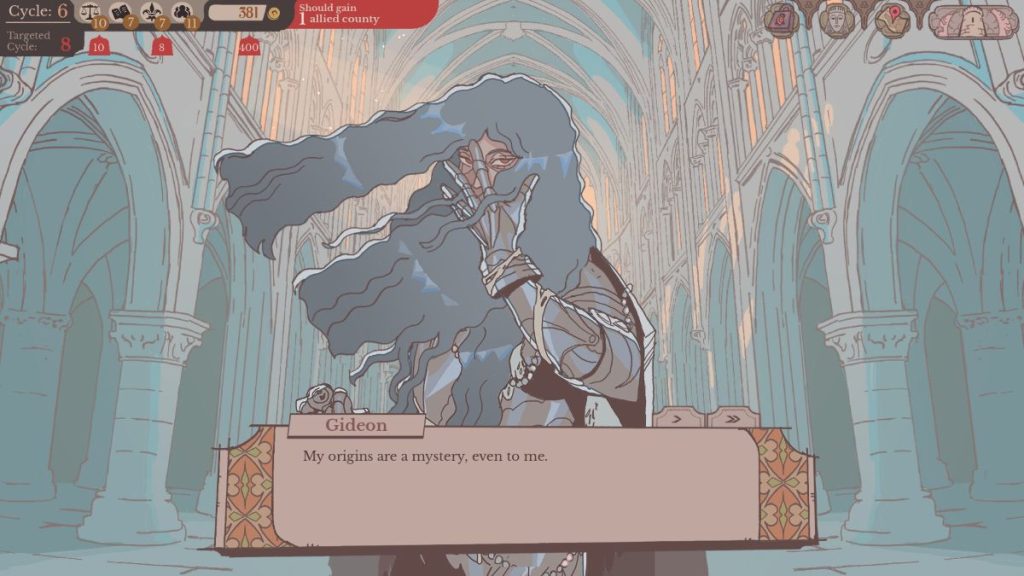
So, what makes a logic-based gameplay interesting? Well, it starts with a story. Sovereign Tower begins with the player taking control of a kingdom as a sovereign. The player must try to balance what is morally right for the kingdom’s occupants and also what is good for the kingdom as a whole. A simple and understandable story that launches a thousand narratives within it, all individually crafted to add more entertainment to the whole.
The gameplay that matches the story is led by branching narratives and role-playing game elements. Beginning with the branching narratives, as a sovereign, players will encounter kingdom occupants who all have their own needs and wants. These needs and wants could be as simple as needing help to track down a wolf that is terrorizing villagers and farmers. This could also be as ridiculous as a Jester needing help with a great beast blocking a bathhouse. The gameplay sets up juggling multiple narratives, which also come with branching dialogue decision-making.
Now, branching dialogue decision-making is one of the main components of the gameplay. The player will have to cipher through decisions with the greatest of care, as destroyed relationships could launch unwanted hate, or even an assassination, or they could mean expectations are set and must be met to appease villagers. While there isn’t a definitive right or wrong way to play the game, making a decision means that players will have to back up their promises with the right set of orders. In this way, it leaves the game feeling flexible and allows for many different roads to take when it comes to helping residents in the kingdom. I like that quite a bit because it makes the game much bigger than it is, allowing the player to choose the path they wish, thus giving a fair amount of player agency. This is what made Knights of the Old Republic so huge, and this is what works well within Sovereign Tower.
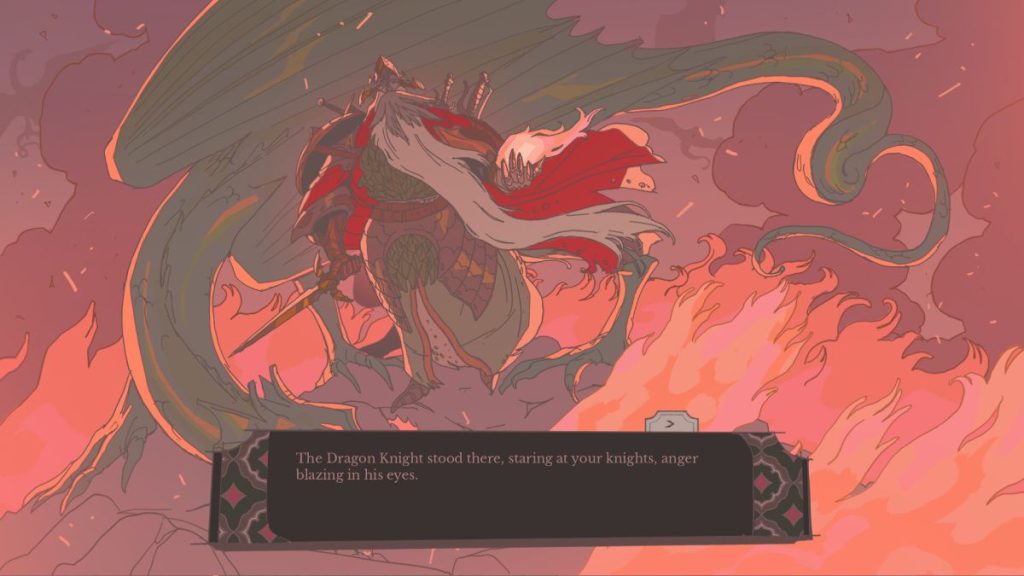
Coming from those decisions made are the RPG elements of the game. For example, a knight might approach the player and propose a partnership, which creates a resident round table of help. Essentially, the player begins to build in-house help that could guide the kingdom into popularity. Each knight and resident has a set of attributes that come with them, which means that some are good at handling specific situations, such as taking down great beasts, while others can chat it up with aristocrats. Each skill can be upgraded as success with situations assigned is met, meaning that they get better at their jobs and can be refined to be even more successful. This aspect of the game is a creative way to introduce and implement gameplay elements that are more than dialogue choices. It also allows for the gameplay to be deeper and more meaningful, as the logic needed for every decision made means more than just getting it right or wrong. It can also mean growth for the characters, which adds more flavor to the RPG side of the game.
Of course, putting the wrong knight in the wrong situation can hurt the round table resident, while also hurting the reputation of the kingdom. There were times during the game when I was surely sending the right knight out to take care of a requested job, but soon found that they were simply not qualified or upgraded enough to pull it off. For example, I assigned two knights to take care of the previously mentioned wolf, only to have them die and the wolf still live. Because that wolf lived, more people were killed, and more unrest began to creep into the kingdom, as it related to my job as a sovereign. Eventually, a bevy of bad decisions turned into an unexpected assassination attempt, which had me thinking more cautiously about who I was sending out to help residents and what tasks I deemed necessary to take on related to the knights working with me. As you can imagine, balancing those gameplay elements took some practice, but they were well worth the time put in and the thoughtfulness that accompanied them.
While knights, RPG elements, and logic-based decision-making would be nice, the game also throws in a bit of a demonic side that makes this very much a fantasy experience. The devs included a resident demon that lived in the castle, which encouraged bad decisions that the sovereign could possibly get away with, as well as its own demonic help. That was a wild gameplay element that I didn’t expect, but once unlocked, it was entertaining as hell to see what they offered and what consequences might emerge from those offers of help. Of course, to counterbalance that evilness, the game also includes a spirit that haunts the dungeons, which is friendly and wants to help with certain decisions, bringing good nature and intentions into the mix. While not as viciously interesting as the demon, adding the spirit helps to create a balance with the demon and offers a new way to go when wanting to work with an unearthly spirit (or gain advice from them).
As you can probably imagine, this game brings so much to the table and so many different ways it can go. That helps to make the game incredibly replayable, thus making it worth your time. I honestly cannot wait to see what the final product looks like beyond the demo. I bet it will be much bigger and livelier.
Anyway, these are our initial impressions of the demo, and there will be more to come in a future review. Until then, you should give it a go. We can’t recommend it enough.