
There is something magical about a hack-and-slash action platformer. Nintendo lived off these things when bringing the NES to the American market. And this game is a good reminder of those old gaming days.
SoulQuest from developers SoulBlade Studio, LLC, and TomasJPereyra, is a perceived mindless hack-and-slash experience that is driven by a good old revenge story backdrop. That backdrop is propped up by a wonderful gameplay foreground that features traditional button-mashing with innovative add-ons to make it far more than it seems. Now, that might seem like a slight, and let me reassure you that it isn’t. Sometimes, players just want some mindless fun with a good story, and SoulQuest delivers, but also goes extra.
Starting with the story, the narrative of SoulQuest begins with the death of a warrior’s husband, whose soul is captured and whisked away by the goddess of death, Morrigan. Angry and grieving, Alys takes up her husband’s sword and makes it her personal mission to hunt down the goddess of death, while taking everyone who stands in her way out as well, and free her husband’s soul so they can be reunited once more. Most definitely a worthy revenge story that is almost Conan-like, and is easy to get hooked on from the get-go. You want a story like that when you’re playing this type of game, as it shouldn’t take much reason to get your rhyme on.
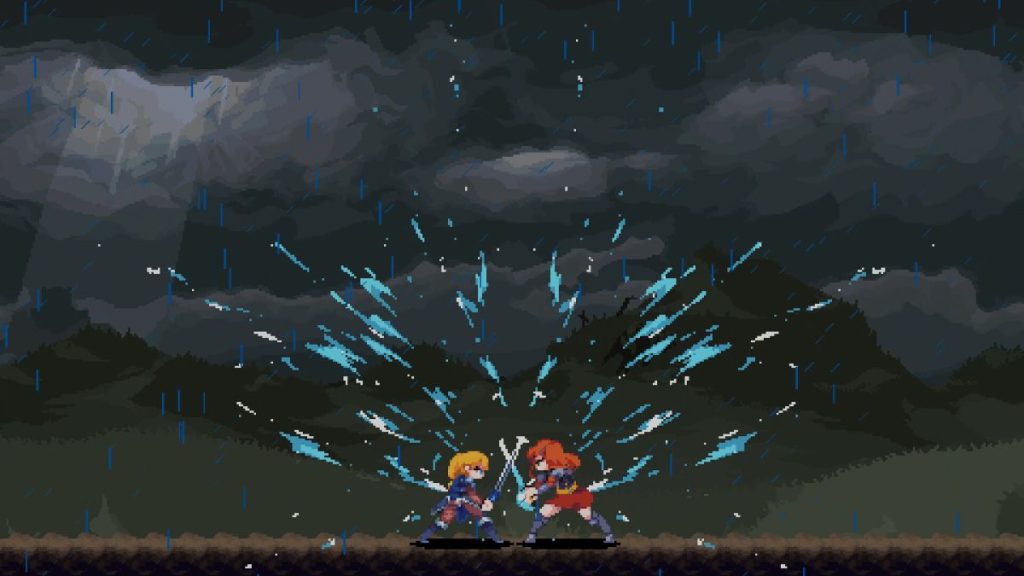
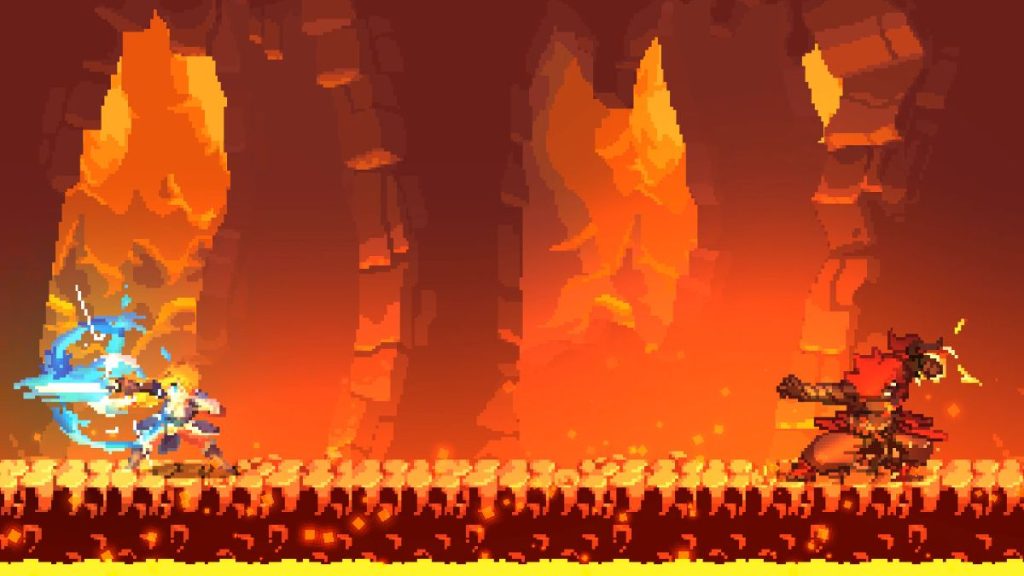
Speaking of getting things going, the gameplay goes along with that narrative and isn’t too complicated either. Players will take Alys around 2D levels, which are beautifully drawn, and traverse all sorts of different areas, taking down monsters along the way. The actual gameplay is literally just hack-and-slash button-mashing. It’s absolutely as advertised, which is what you want at a basic level for hack-and-slashing. Monsters appear, and players will mash buttons to death to get rid of them and progress. It’s like that throughout the game on a base level, but there is more to it than it seems.
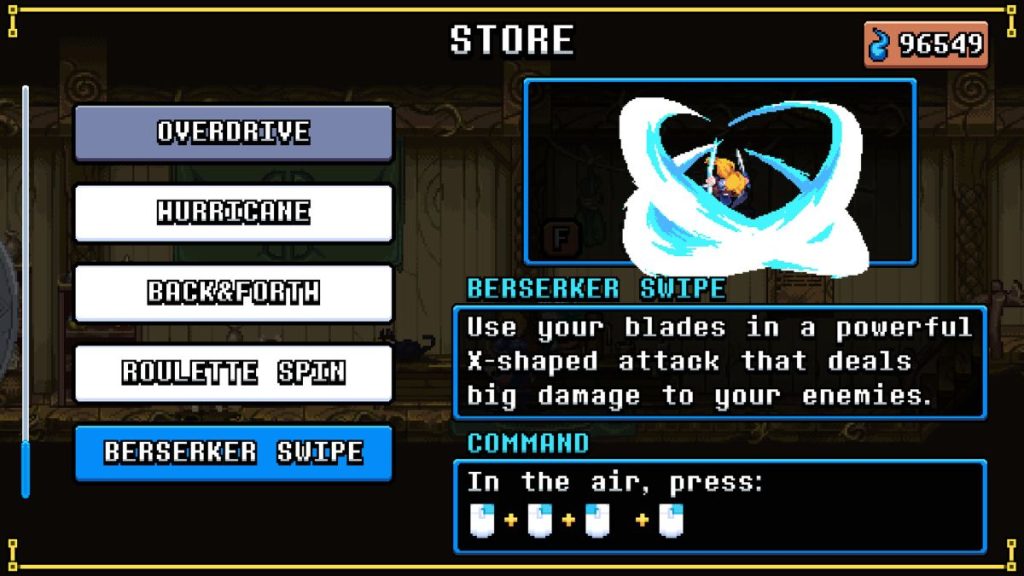
Now, the actual gameplay mechanics are far more complicated than that lazy description. Within the game, Alys will take down monsters, gather up their souls, and then spend said souls at a shop to acquire more moves. In other words, the game will start to introduce button combinations that set off power moves. These moves could be a precise cut from across the map, which sends Alys flying with sword in hand, or it could be as simple as Alys jumping and then ground-pounding with her sword to stun enemies. The more enemies that are killed, the more moves can be purchased, which means the hack-and-slash becomes far more than expected. There is some good freedom of choice in this game, which only stands to make it a better experience. We will get to that in a moment.
A wonderful side effect of that expanded hack-and-slash is that this also gives players motivation to keep pushing themselves, killing more enemies, and gaining more powers for Alys to dominate the battlefield. Rarely do games like this have motivating factors besides kill-kill-kill without die-die-die. Adding a list of moves that the player can pick and choose from was a genius way to go when wanting to get more hack-and-slash out of the hack-and-slash. Giving that agency to players and having them figure out what would be best for what level or monster is incredible. For most hack-and-slash experiences of this type, players just push forward to get to the next big thing. This game lays out all its cards, puts prices on them, and essentially tells the player to pick and choose as they please. That’s so much player agency, something I wish more games of this type would do more of in this day and age of gaming.
As for those enemies who are on the receiving end of Alys’ button-mashing blade, how they happen upon the screen is interesting. When Alys jumps on certain parts of the levels, large fire columns will seal off the area so that she cannot escape the action. Once trapped, enemies will appear in 2-3 waves. This means that players will go up against multiple enemies, dispose of them, and then have to go up against another wave before the fire columns release Alys. That seems easy enough, but I warn you, this is not an easy game. The enemies are fast, play dirty, and get progressively more difficult as the quests roll on. Players will find themselves approaching frustration at times, as the death of Alys in a fight means the stage gets a good reboot for another go. The enemies are a challenge, and having to manage damage and juggle green replenishing crystals (and other things) can be a balancing act on top of the juggling act. The game is tough as nails and actually requires a small amount of strategy with moves to get through, but, much like everything else about SoulQuest, it is as advertised.
Outside of the monster-based enemies, another lies in the waiting – the levels. The environments were built well, as players will find that the multi-tiered levels offer good jumping challenges, as well as fun secrets. This is classic NES-style level creation, where one wrong move means you’re done, and the player must put some thought into their strategy of approach to traverse levels before taking a leap of faith. There is little to no room for error, but there is plenty of room for exploration, which is unusual for this type of game, but also a welcome sight. Ultimately, the levels are pretty, well-designed, and offer different styles that make the adventure feel bigger than it might be, and are challenging as hell.
Overall, the gameplay is easy to pick up on, expandable, and properly difficult. All of it is driven by a revenge story that will motivate players to push through sometimes impossible challenges.
On that sweet note, let’s wrap up this review.
Conclusion
SoulQuest is a fun hack-and-slash adventure that harkens back to NES days, while also offering new ways to make this more than a button-mashing fest.