

It is abundantly clear that Songs of Glimmerwick gets the cozy game genre spot on. It offers more than just a checklist of chores - a genuine sanctuary. It's a game that respects your time, your agency, and your need to breathe. In a world full of suffering and struggle, that really feels like magic.
Being alive in the current timeline can feel suffocating. A good cozy game doesn’t just pass the time, it offers genuine refuge, a space where you can actually breathe. Most games in the genre don’t quite manage it. They can feel like slogging through tedium, and you tire of them quickly. Songs of Glimmerwick is one of the good ones. From its opening sequence, you can feel its heart and unique charm. After a long day or too much doom scrolling, the prospect of escaping to the halls of the Etchery was impossible to resist.
I found myself cozied up in my office chair night after night, playing far too late into the evening, and thinking about the game constantly whenever I stepped away from it. That’s the mark of something special.
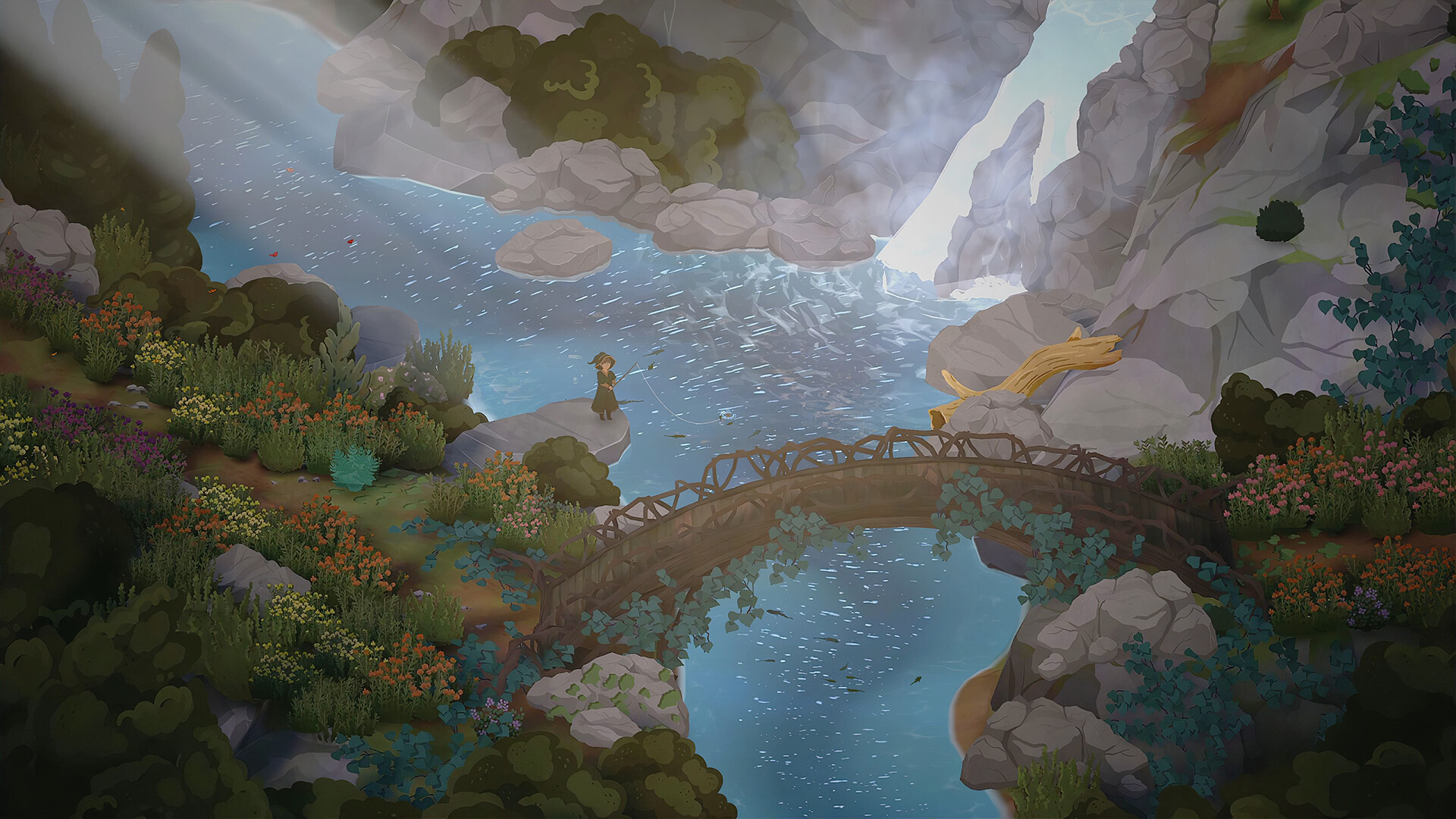
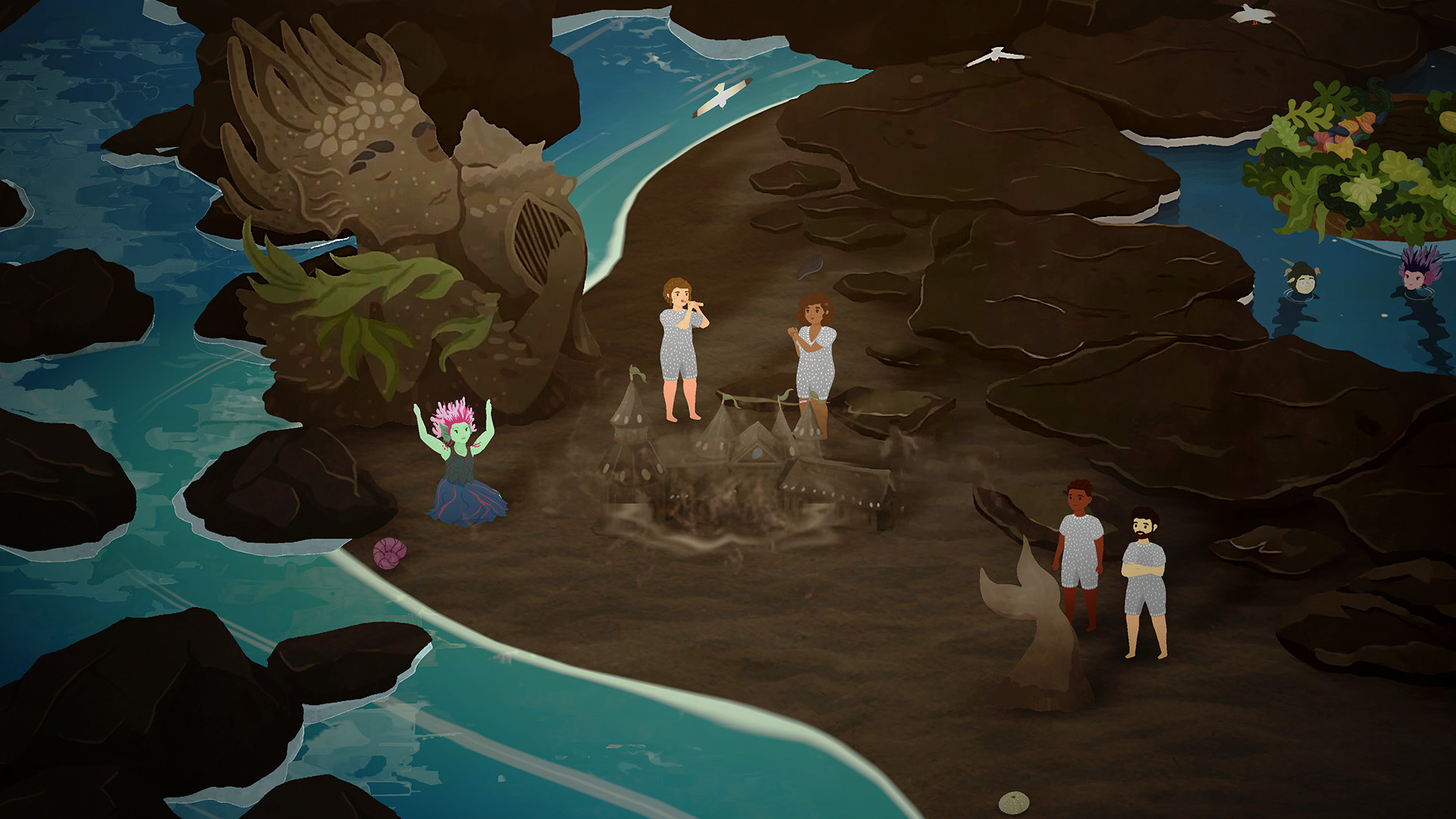
From the opening montage, it was evident that the team who worked on this game at Eastshade Studios loved it. The story felt fleshed out and enveloping, and the beauty of the hand-drawn art is hard to overstate. It evokes the feeling of reading a beloved folk tale before bed as a child. It is filled with illustrations overflowing with beautiful plants, warm hearths, and detailed domiciles unique to each NPC. There’s a storybook quality to every frame, a sense that you’re stepping into an illustrated world rather than a digital one.
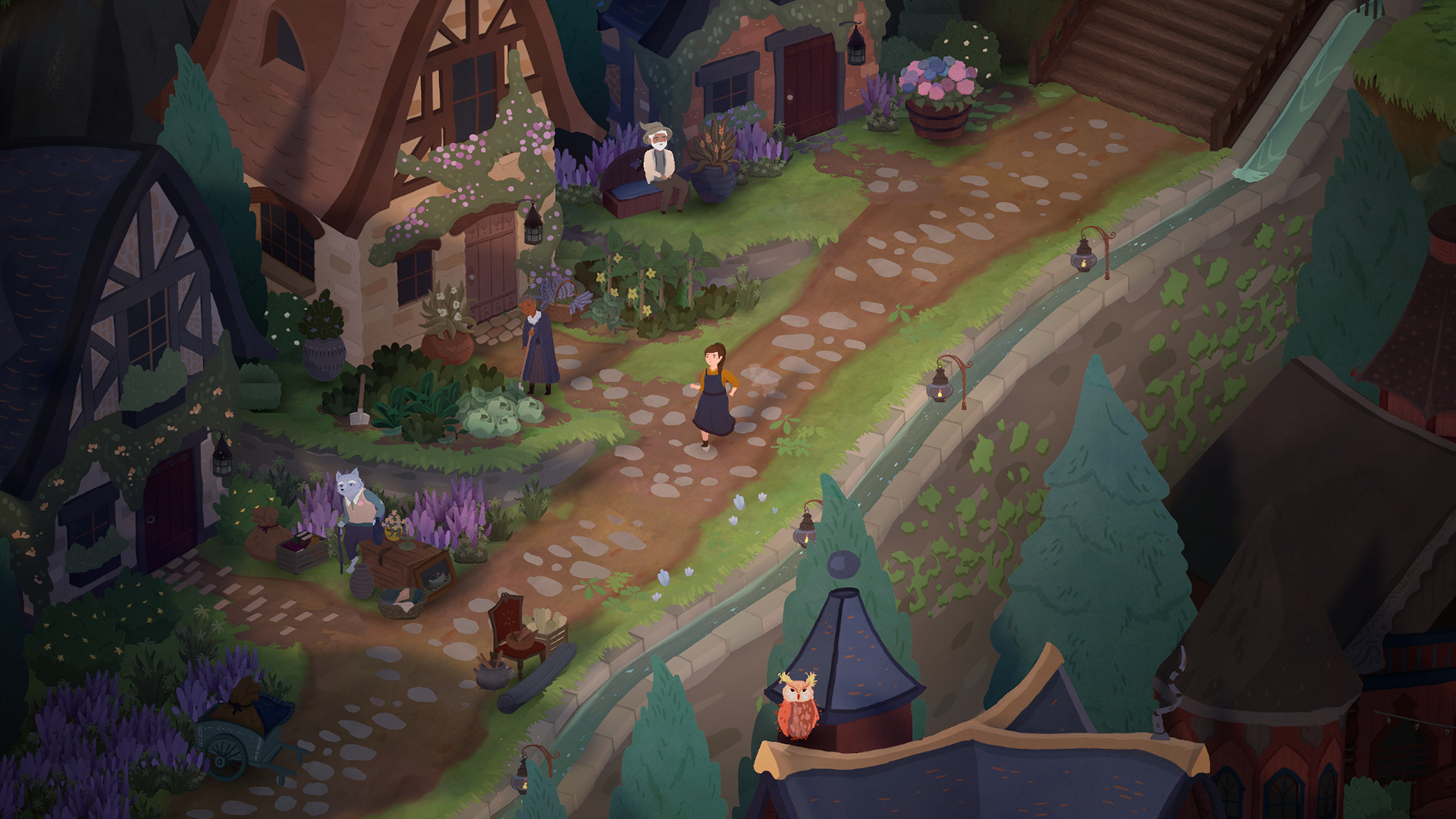
Glimmerwick features humans, merfolk, faefolk, tiefling-like creatures, ghosts, and an array of other beings, all rendered in a distinctly cozy aesthetic that somehow makes even the fantastical feel intimate and lived-in. The color palette is warm and earthy, featuring soft golds, sage greens, dusty purples, rather than harsh or oversaturated. Characters have a gentle, almost soft-focus quality that feels inviting. Even the antagonistic or more mysterious figures feel like they belong in this world rather than threatening it, which is part of what makes Songs of Glimmerwick‘s tone so special. All the little details – the voice acting, the bustling flora and fauna, the uniqueness of each section of the map and its homes and businesses – make the world feel real and full of life. It’s hard to tear yourself away from.
You create your burgeoning witch or wizard and are involuntarily enrolled in the Etchery, a school of magic built on layered lore and political intrigue. The magic system here is music-based, a unique and engaging method. When first arriving, you’re sent to the flutemaker’s house and asked a series of questions. Those answers determine your unique, personalized flute. While it ultimately makes no difference in gameplay, the mechanic makes your flute feel special and tailored to you.
In class, you learn little ditties to cast as spells for gardening and solving other problems. You play along, Guitar Hero-style, on your keyboard, and after enough practice, the spell can be cast from a quick toolbar. These magical songs are sweet and just challenging enough to avoid frustration but still feel engaging. As someone who couldn’t play an instrument to save her life, there’s something almost transcendent about hitting all the right notes and getting good marks. The game even gives you a practice room where time stands still, so you can hone your craft without pressure.
Other imaginary schools of magic, like in Hogwarts Legacy, left me wanting. I read the final Harry Potter book in 2007, my junior year of high school, after growing up a massive fan. When Hogwarts Legacy was announced in 2020, in the depths of the Covid pandemic, I was thrilled at the prospect of finally attending classes. But when it released, I was disappointed by the lack of actual learning in the gameplay, especially with a narrative so centered around a first-time student starting out as a fifth year. Despite being a phenomenal game (and setting aside J.K. Rowling’s horrendous, harmful politics), it never felt like you were truly studying anything or attending classes to develop and evolve the magical gameplay.
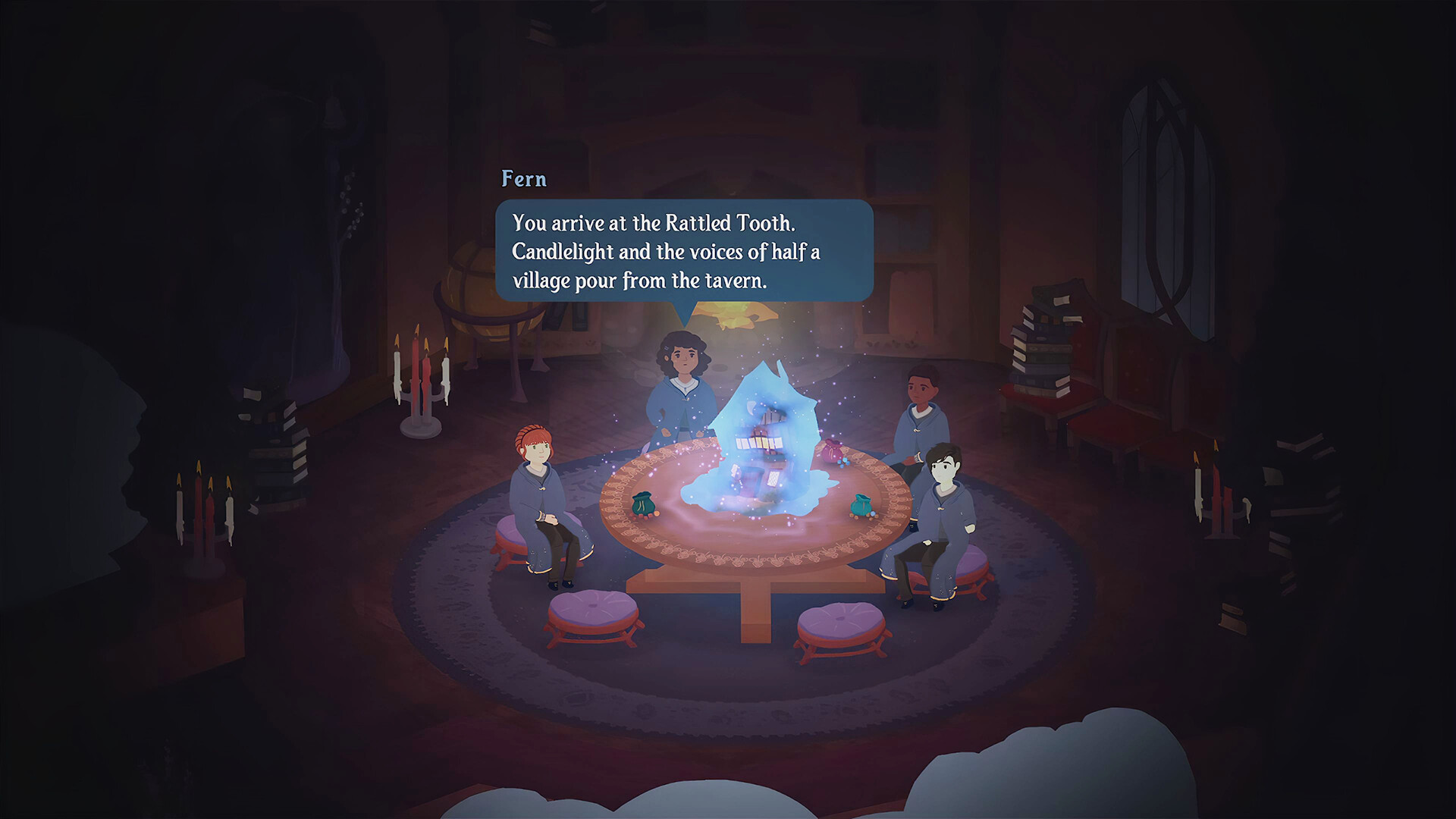
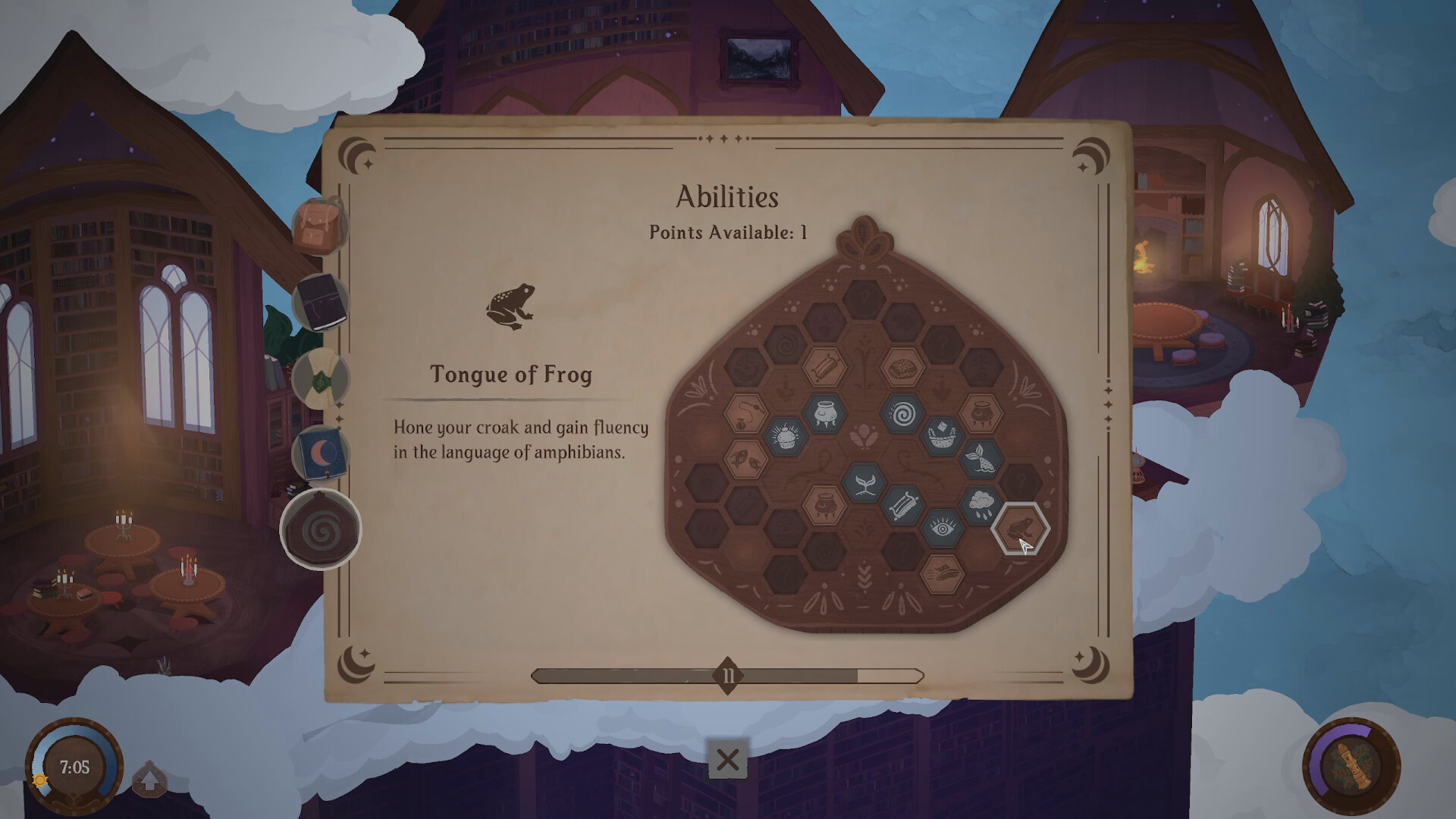
Songs of Glimmerwick really scratches that itch. Players are genuinely rewarded for studying. It feels fulfilling to master a new magical tune or craft a higher-quality potion. Some classes offer little animated montages that find new ways to captivate and further draw you into the world. You’re not just clicking through content for the sake of progression, you’re actually learning and embodying the character you made.
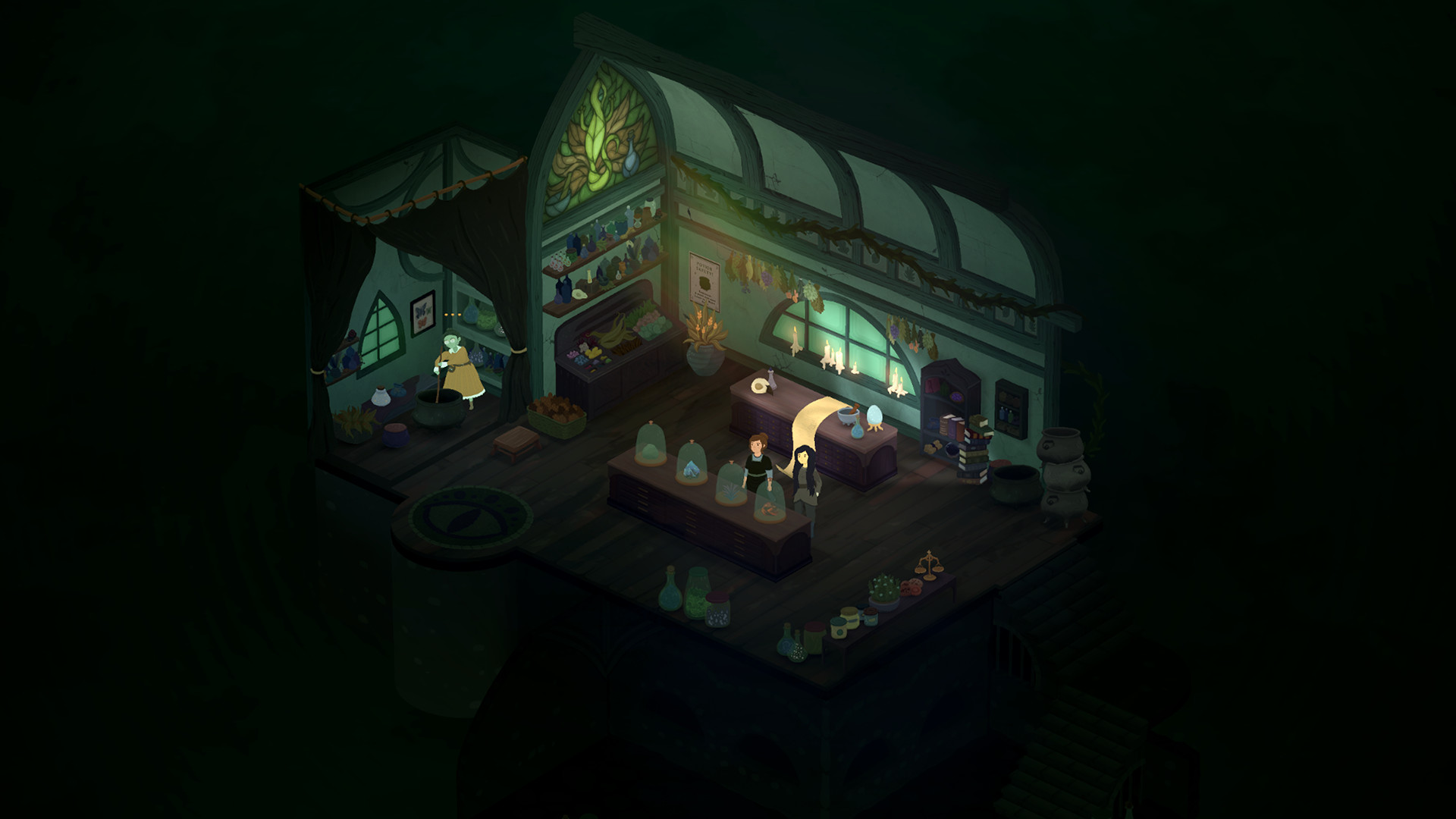
Similarly, the time mechanics set it apart from other life sims. Playing the first day of a season in Stardew Valley can be downright exhausting: rushing to the store for seeds, tilling, planting, watering, talking to villagers. It never feels like this in Glimmerwick because it doesn’t have to. The clock stops for scheduled events, and once the sun sets, you have endless time to explore and forage. The map is sprawling and unfolds gradually, so there’s no rush. This is what makes a cozy game actually feel cozy. I’m using video games for escapism, not to sit down and toil under capitalism in a virtual world, too.
You’ll meet a colorful cast: colleagues, teachers, townsfolk, magical creatures. What strikes me most is how the game handles inclusivity. Too often, queer and POC characters feel forced or at worst, tokenized. Their marginalization becomes their entire character, or every dialogue option reminds you of it. It feels disingenuous and exhausting.
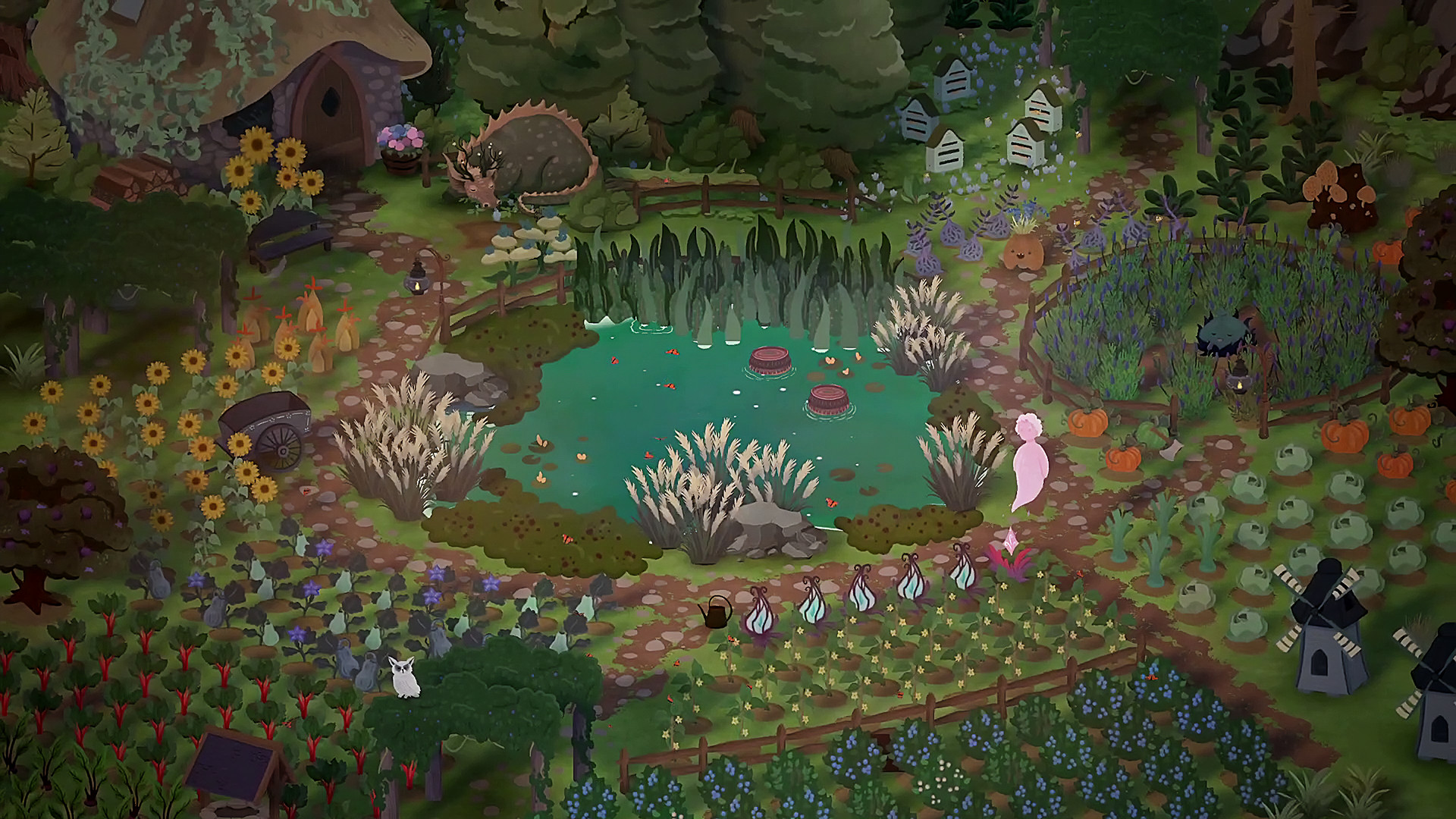
Songs of Glimmerwick weaves different ethnicities, sexual orientations, abilities, and species into the story naturally and seamlessly. You can befriend a character with a limb difference and it’s never mentioned once. This isn’t performative progressivism on the part of Eastshade, it’s genuine world-building that adds to the game’s authentic charm. Still, the world has its tribulations and political intrigue; you slowly uncover the island’s history and the Etchery’s struggles through character interaction and books.
The dialogue options in your interactions really shine. Most cozy games offer monotone or overly quirky responses that make the character feel unrelatable. Songs of Glimmerwick gives you choices that feel real. You can be dishonest or rotten if you want to. I couldn’t bring myself to do it. My little witch made me feel honest and kind, and I was genuinely proud when she chose to do the right thing. I believe this can be healing. Life doesn’t always give you the option to correct your mistakes or fight for what you believe in. Games like this one do.
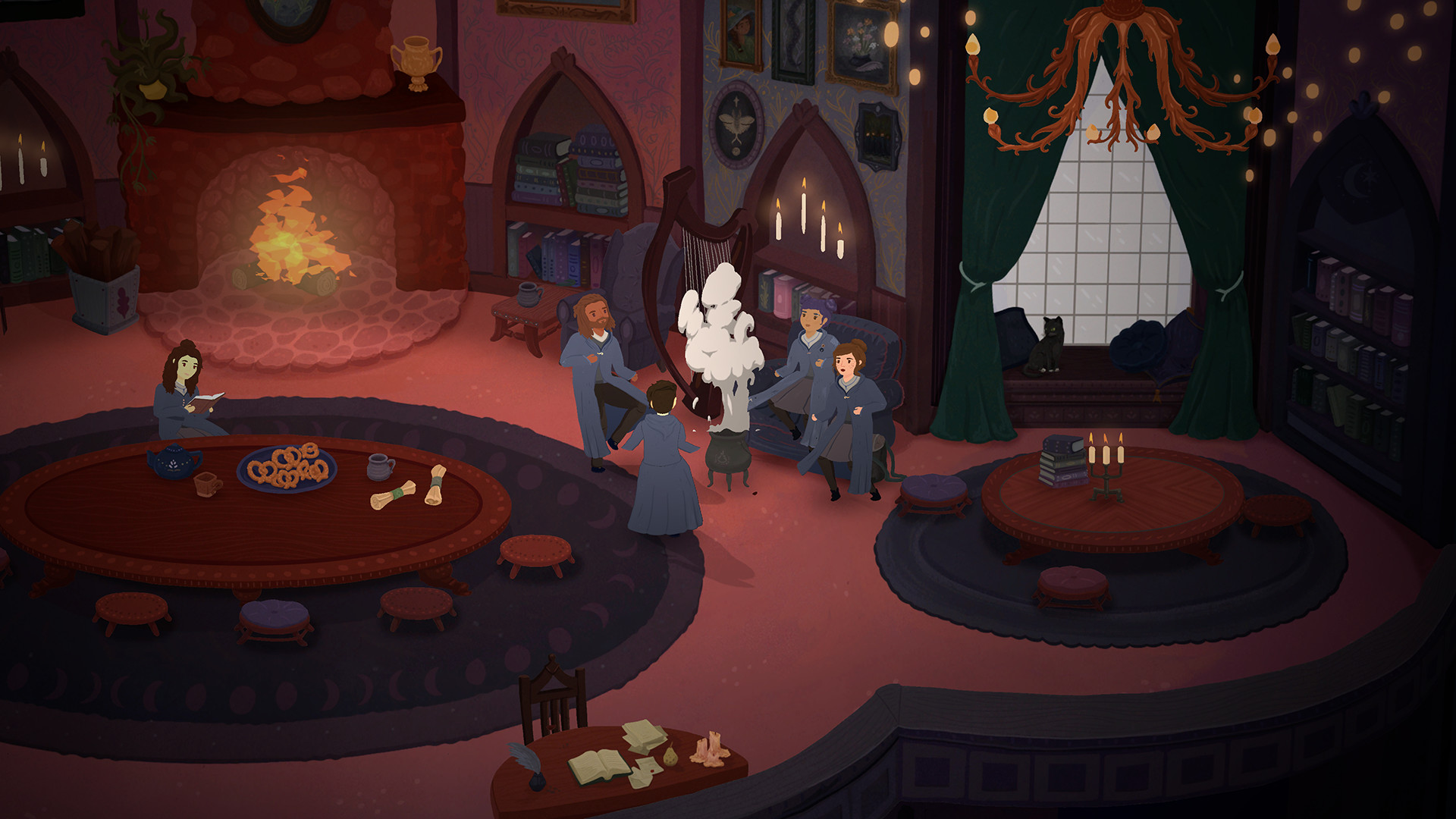
The most frustrating aspects of Songs of Glimmerwick are about as minimal as you can hope for. Some of the movement can feel clunky, and inventory management has a few bugs to be worked out. At some point in my adventure, a potion disappeared from my inventory, and regrowing the components to rebrew it took a couple extra days. At my most excited to complete a mission, trodding from one end of the map to the other and back could be mildly exhausting, but mostly because I really wanted to see what happened next. I do wish that you could form a more unique relationship with at least a handful of the students and villagers, but what it lacked in the interpersonal fulfillment aspect, it made up for in every other way.
It is abundantly clear that Songs of Glimmerwick gets the cozy game genre spot on. It offers more than just a checklist of chores – a genuine sanctuary. It’s a game that respects your time, your agency, and your need to breathe. In a world full of suffering and struggle, that really feels like magic.