

I had a fun time playing Riftbound a few weeks ago and I’m chomping at the bit to play it once it becomes available worldwide later this year. It’s easy to show your friends and teach them how to play, even if they’re unfamiliar with the TCG genre. I’m thrilled about how the cards celebrates Riot’s gorgeous Runeterra IP; these cards will be worth showing off as your defeating your opponents left and right.
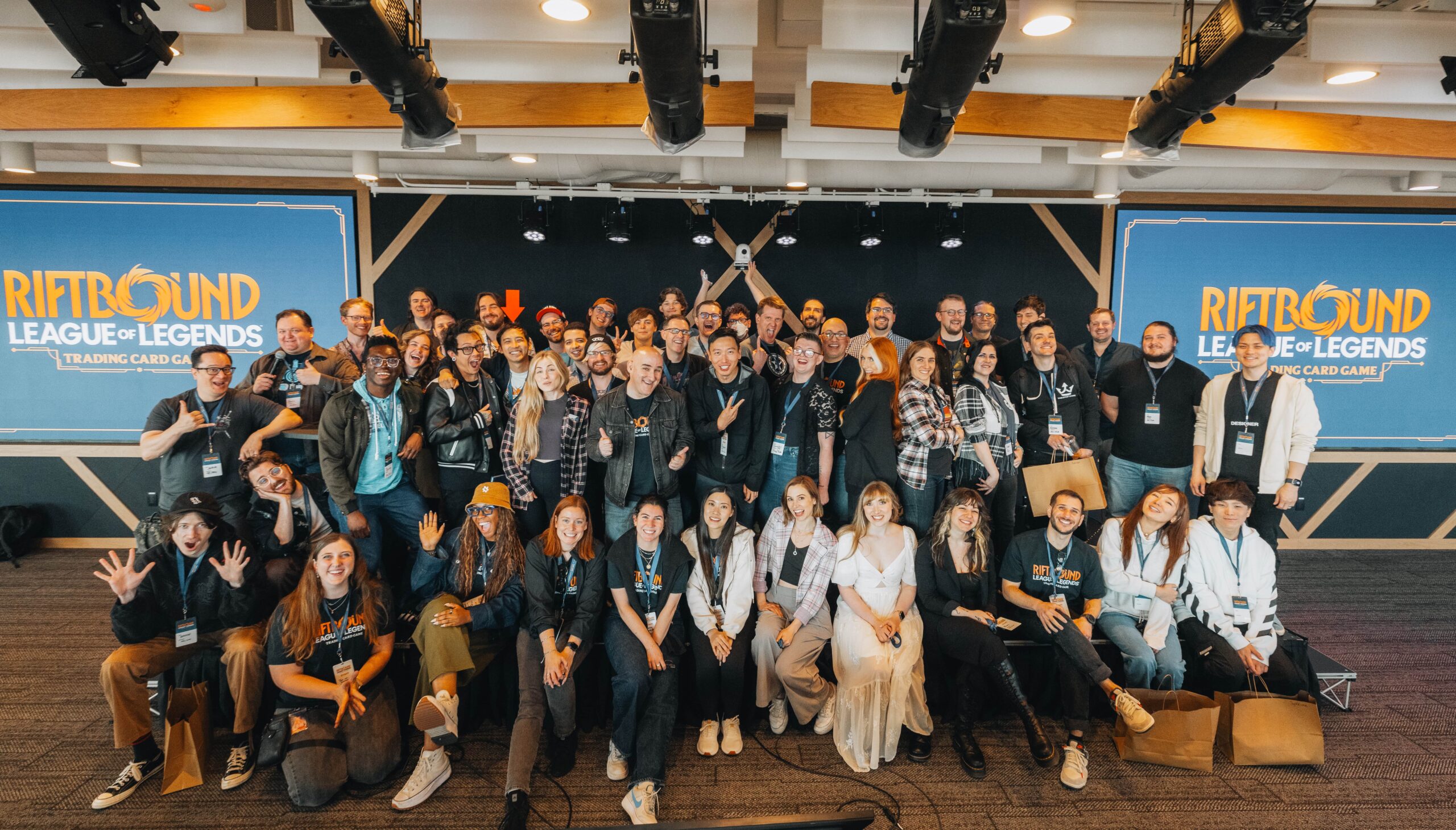
The cat’s out of the bag; I can talk a little more freely about my experience visiting Riot Games’ campus a few weeks ago and learning about their upcoming trading card game (TCG), Riftbound. The Riftbound Summit was a whirlwind of a day to the point where when I reflect back, I still can’t believe Riot showed so much to us while giving us some time to play all in a single day! I know I’m supposed to be impartial here, but I’m legitimately excited for the future of the TCG genre not just because I respect Riot (I do), but because there’s quite a bit of untapped potential that Riftbound has captured to surely make waves amongst players.
Before I continue, let’s take a step back and talk about the TCG genre. You’ve probably heard the names Magic: The Gathering, Legends of Runeterra, Pokémon TCG, Lorcana, and/or Flesh and Blood thrown about when folks talk about their favorite TCG. You may have played one or several of these titles over the years. I’ve seen my fair share of TCGs come and go from issues like power creep, questionable competitive rules and support, far too complex rules, and/or the actual cost to remain a current player. Right this minute, a good chunk of my YouTube algorithm has been showing me YouTubers whose sole identity involves going to card stores, buying packs of Pokémon cards, and then opening them up in the hopes of chasing some ultrarare card worth hundreds of dollars. I used to play Pokémon TCG on the Game Boy when I was younger, so seeing it reemerge as a collector’s game is absolutely wild.
 I digress, I’ve played TCGs off-and-on over the years, jumping from physical to digital games, occasionally dabbling in deckbuilders (like Ascension!). I’ve become intimately familiar with the state of many of these games thanks to feedback from my friends and family who play alongside players like you who share your current favorite game on social media. I’ve personally become frustrated with how the TCG space has become plagued by scalpers, burdened by frequently rotating sets, and the deck building process being flat out expensive.
From its Legends of Runeterra roots, Riftbound seems to have been designed with all of these player points in mind, ranging from an easy-to-learn-while-complex-when-mastered design philosophy to a strategy that should keep cards accessible and available for players worldwide. I have a very good feeling that Riftbound will spark joy amongst TCG veterans and new players alike.
Coming from my years of playing Magic, I was concerned that the game was designed to be translatable to existing TCG players, and those players alone. This was not the case. Riftbound is built around the concept of conquering and holding battlefields. You score points for conquering a battlefield and holding onto them for multiple turns in a row. The first player to hit 8 points wins. That’s all you generally need to know.
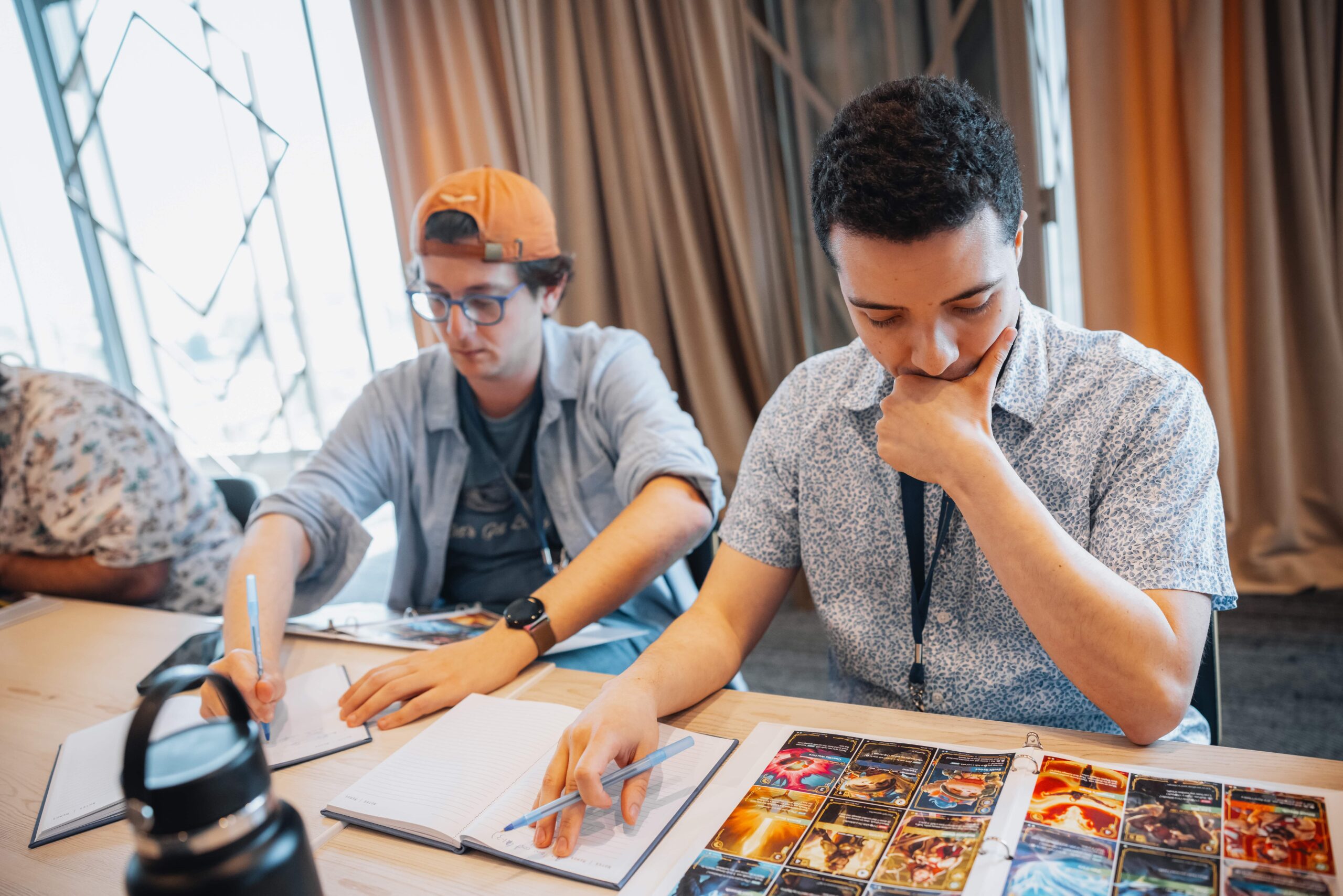 Existing Magic players will see some similarities in how the game is played when it comes down to using resources, summoning units (be it from the static champion zone or the Base), and more.
Participants of the Riftbound Summit were given the following acronym when learning how to play: ABCD. Awaken functioned like Magic’s untapping of cards, so this wasn’t anything new. Beginning involved adhering to existing cards’ abilities that activated on turn start along with scoring (assuming you were holding onto a Battlefield). Channel had players channel 2 Runes to be used immediately (I’ll cover this shortly, hold tight). Draw had players draw a single card from their deck. After ABCD was conducted at the start of my turn, I could play cards from my hand, move cards from my base to a battlefield, and/or attempt to conquer a battlefield held by another player.
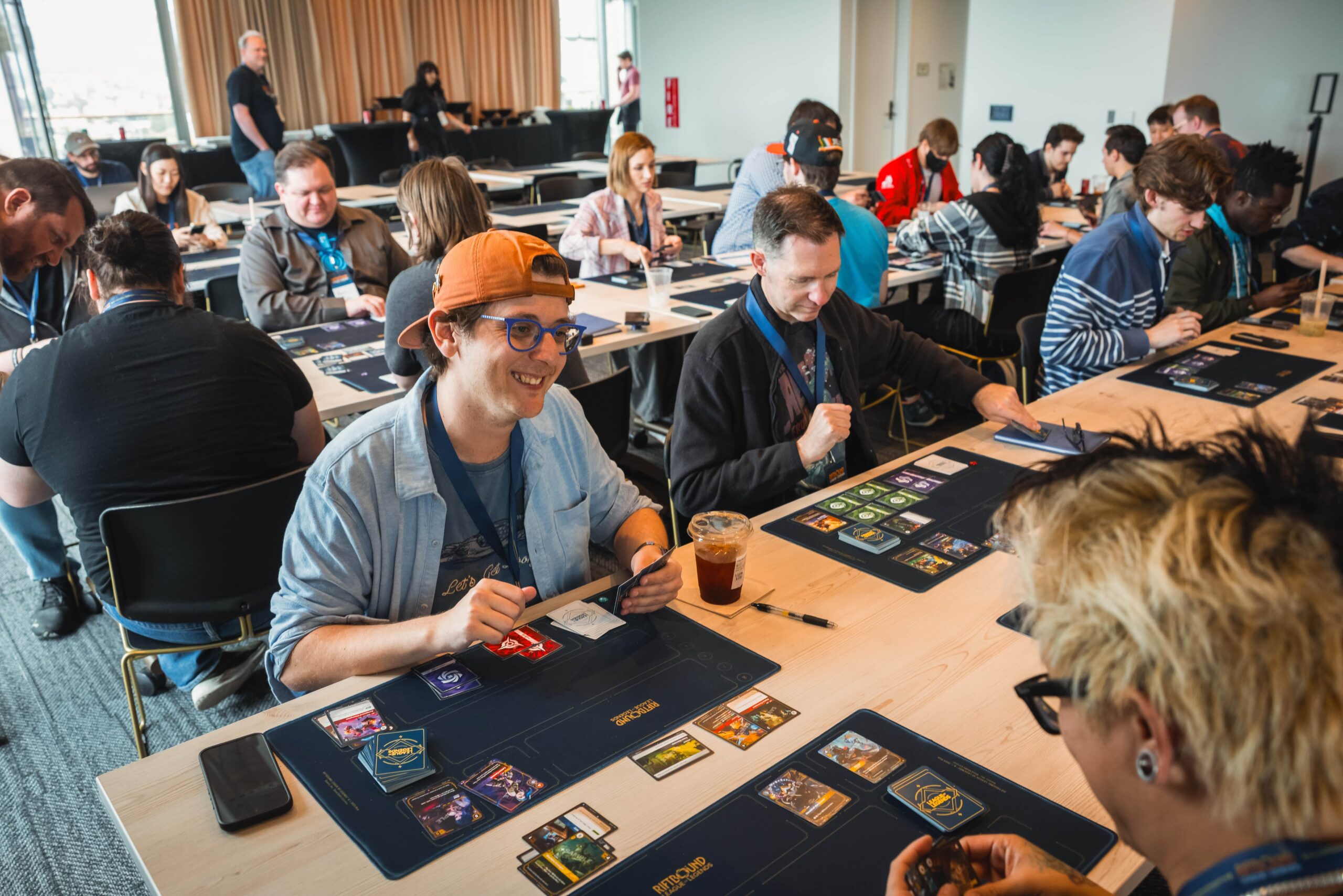 The start of each turn can be seen as complex, especially since there are so many active cards available at the start of a game let alone several turns in. The ABCD acronym makes it easier to learn and remember referencing the text-heavy cards with abilities that activate at the start of every turn. If I was a new player, I would forget to check the abilities (like Jinx’s, who allows players to draw an additional card if they have a certain number of cards in their hand). Here, the ABCD gives a sense of structure and onboarding – both elements of which are often overlooked in TCGs.
Runes are Riftbound’s version of Mana, or the resources needed to play/activate cards. In Magic, land cards are mixed into players’ decks. In theory, there should be enough land cards in a deck to ensure that players are drawing enough of them from their decks into their hands regularly. In practice, there can be situations where you’re simply unlucky and not getting enough mana cards to start making meaningful moves. Riftbound has made it so that Runes are given their own separate deck, and the player draws two rune cards per turn.
The separate Rune (read: resource) deck is a rarely implemented solution to the Mana problem that I’ve heard some pro players discuss. Having so many resources available felt like I had choices to make when it was my turn, even if that sense of choice was an illusion. To counteract the “too many resources” issue, some cards cost an additional Rune that involves putting that Rune back in the Rune deck, thus temporarily subtracting from the Rune pool.
In practice, it feels good to constantly acquire, use, and occasionally exhaust them by sending them back to the rune deck. Even when I was using a Volibear deck (which was described to be as the “build up/powerhouse” deck) and needing to spend 12 resources just to summon Volibear from my hand to my Base, it always felt like I could play just about whatever I wanted assuming the cards were in my hand.
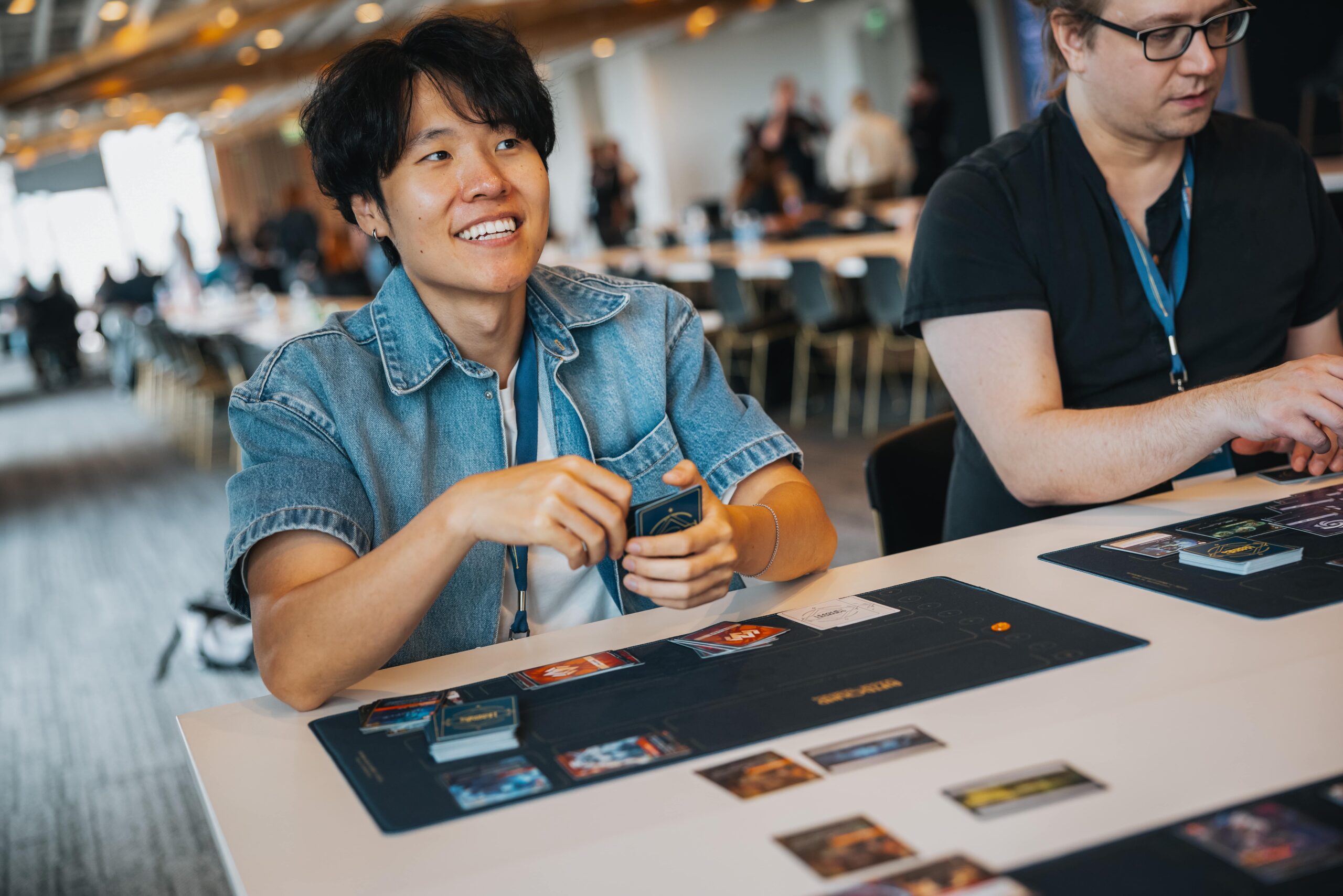 Unique to Riftbound is its battlefield mechanic. Conquering and holding onto battlefields is how you win, but the battlefields themselves have a unique sense of place. Units and champions are moved from the base to a battlefield, adding a feeling of flow during gameplay. There are additional impacts from conquering battlefields – one battlefield made it so that units that moved onto that Battlefield were permanently stuck in that battlefield unless they were slain. You also couldn’t immediately move from battlefield to battlefield (unless your unit had a specific effect that allowed them to do so), so movement ends up feeling strategic yet memorable.
I also appreciate Riftbound’s champion-focused approach to deckbuilding. With the release of Origins (the first set), there will be 12 core champions to build a deck around, with even more champions to add to your potential deck. Mind you, Riot has a massive set of IP thanks to their existing investments in League of Legends, Teamfight Tactics, and Legends of Runterra, so it’s good that they’re starting small here for future sets to give TCG players access to the Runeterran IP.
At the Summit, I played with several premade decks: Jinx, Viktor, and Volibear. I also got a chance to build my own deck centered around Teemo. The Viktor deck was quite powerful and aligned with his Arcane identity – I was constantly summoning replacements when my weaker units died. There will be premade decks available at launch, giving players a good idea of what decks should look like as they obtain cards from booster packs further down the line.
 Riftbound will be releasing in China soon, with a US/global release later in the year. Aside from the premade decks and boosters (which will contain 14 cards: 7 commons, 3 uncommons, 1 foil card of any rarity, 1 rune or token, and 2 flex cards that can be rare, epic, holographic, and/or alternate art), a “Proving Grounds” set will be available containing four premade decks specifically designed to show players the ropes and give them an idea of how to play against different decks right from the start.
On the organized play front, I was quite a bit to relieved to hear about their community and tournament plans. First, they’re aiming to start hosting regional qualifiers in December this year and will align with Riot’s existing events. In 2026, Regional Championships will be held. These events (qualifiers and champs) will include cash prizing and include smaller “Best Of” awards for those who choose to break the meta. If you think you’re the best Teemo player despite everyone building around Yasuo or Lee Sin, you may be rewarded for your efforts if you get far in your tournaments!
One of my least favorite aspects of organized play is their set rotation – meaning you can only build decks from certain current sets/expansions. Yes, this makes the game expensive as you’re frequently needing to rebuild and revise your decks on a frequent basis, but it also acts as in information barrier to players who have to quickly learn new mechanics and cards as the meta becomes refreshed.
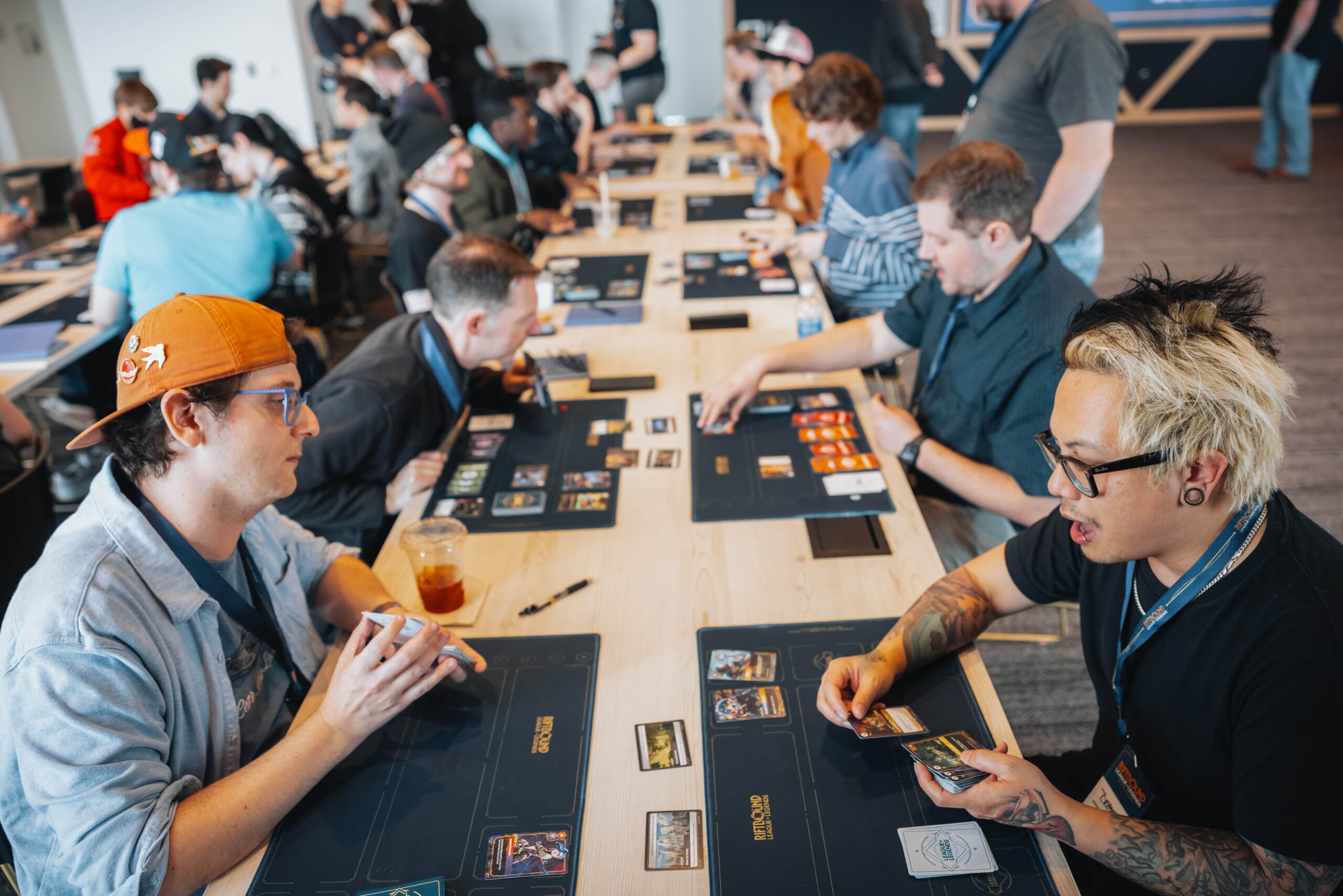 Riftbound is aiming to have four sets per year. Sets won’t rotate out of organized play. Instead, they will rotate out of the main format but remain usable in non-rotating play. This means that you essentially have eight sets of cards to build your decks around, giving players some breathing room to adapt and build their decks as they please.
I haven’t been able to participate in competitive TCG tournaments in a hot minute, but I feel quite compelled to do so going forward. Sure, the idea of prize money sounds nice and all, but the support for community events, onboarding players in an accessible fashion via easy instructions, and a slower rollout/rotation of sets gives me some time to build a deck with the cards I want without needing to phase out cards every few months.
There’s also going to be support for multiplayer games. If you’re a free-for-all or 2v2 kind of player, Riftbound is designed around 1v1 and multiplayer contexts. I observed some 2v2 games at the Summit and was pleased to see how players collaborated and engaged in politicking.
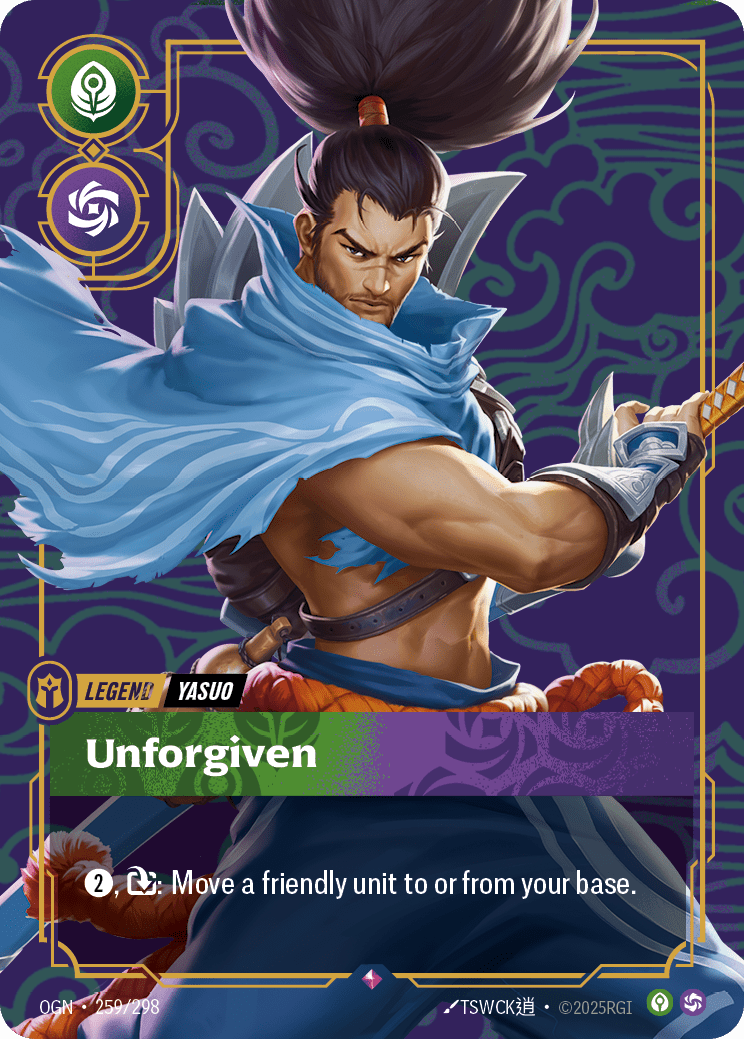
The new designs of the cards look incredible, and I’m so excited to see how players react to seeing Riot celebrating the beautiful art of the cards. The rarest cards will have gorgeous alternate art, some of which being signed by the artists themselves. We weren’t given the opportunity to see some of these alt-art cards firsthand, but the preview made us excited for potentially unwrapping an ultra-rare card design.
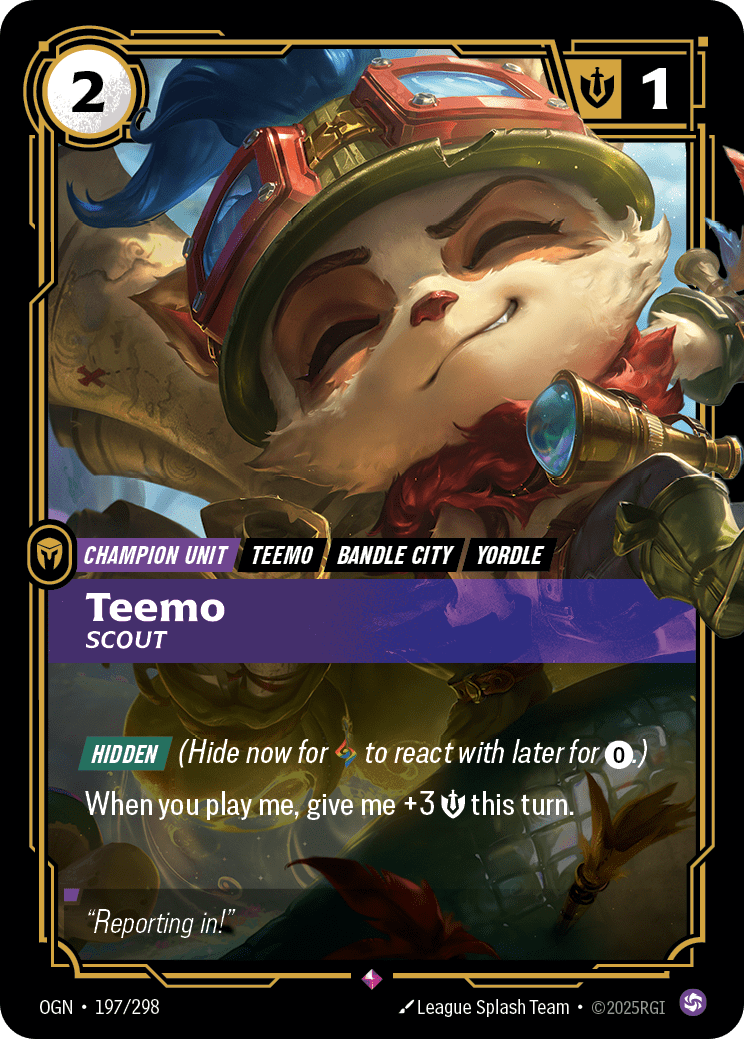 My favorite champion included in Riftbound Origins was Teemo – I am a maniac, I know. He had a unique mechanic called “Hidden,” allowing me to play him (or another card with the Hidden mechanic) face down on a Battlefield. Playing cards face down devolved quickly into silly mind games. I’m sure my opponents were annoyed by me (Sorry, Blessing and Amy!), but it was so fun to sneak units in with the Hidden mechanic and prevent them from winning.
This is not the last you’ll hear about our experience with Riftbound. We have some more content on the way, so stay tuned! In the meantime, I’ll leave you with this…
I had a fun time playing Riftbound a few weeks ago and I’m chomping at the bit to play it once it becomes available worldwide later this year. It’s easy to show your friends and teach them how to play, even if they’re unfamiliar with the TCG genre. I’m thrilled about how the cards celebrates Riot’s gorgeous Runeterra IP; these cards will be worth showing off as your defeating your opponents left and right.