
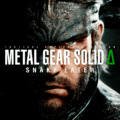
Metal Gear Solid Δ: Snake Eater respects its source material in ways that other games should follow suit. The story is retained, each emotional gutpunch hits home just as hard (if not harder), and the core stealth gameplay that you and I grew to love in our adolescence is preserved. While it’s hard to ignore that this MGS lacks Kojima and the segmented maps are archaic, it’s just as hard to ignore that this iteration of MGS3 is the faithful modernization you and I deserve.
When Hideo Kojima departed Konami in late 2015, after the release of Metal Gear Solid V: The Phantom Pain, I had convinced myself that I would no longer play a new Metal Gear game on a modern console. My days of playing a stealth game with more Easter Eggs than the Easter Bunny’s warehouse were over.
Then, in 2023, Konami announced Metal Gear Solid Δ: Snake Eater (aka Delta) during a PlayStation Showcase. It felt too good to be true. It also felt…wrong. The fact that Metal Gear Solid 3: Snake Eater was being remade without its creator (Kojima) and lead artist (Yoji Shinkawa) felt like a hollow attempt to bring back the Metal Gear series to players like you and I. Nevertheless, I set my concerns aside and moved on, nearly forgetting Delta’s existence until earlier this year.
Konami and co.’s intention to reproduce Snake Eater’s story and gameplay may be faithful to the source material, but one thing is evidently clear: A Metal Gear title without Hideo Kojima should not be considered a true-to-form remake. If you can look past Kojima’s absence and instead approach Delta with tabula rasa (blank slate), however, Delta is a very well-designed stealth-action remake. Heck, it contains a wealth of improvements that earlier titles (not just MGS3) sorely needed.
If I can get to that conclusion, then you can, and should, too.
 There’s a reason why Snake Eater has earned its critical acclaim. It was the first MGS title to introduce CQC (close-quarters combat), camouflage, along with several other gameplay systems that have become evergreen in the more recent iterations. The inclusion of a stamina gauge meant that enemies and bosses could be defeated through nonlethal means (via CQC or a tranq gun), all the while Naked Snake had to rely on whatever he could find in the jungle to keep himself alive. A camouflage meter, omnipresent regardless of terrain, required that Snake was to change his outfit while on the fly to avoid detection. It was the pinnacle of a “roughing it” simulator back in 2004.
And I haven’t even touched on the story or the boss battles. While MGS is all about stealth, players have a ridiculous degree of freedom to play as they like (on lower difficulties, at least), be it going full lethal and killing everyone in sight or as nonlethal as possible. Metal Gear titles reward players for being sneaky while showering them with silliness when boundaries are pushed. Should you want to hide in a locker to wait out an enemy patrol, you can do that. Should you want to instead wait inside a toilet stall…you have that freedom, too. Just don’t forget to wipe.
 Delta preserves Snake Eater’s original gameplay design down to the segmented maps that make up the jungle, desert, and other environments. Enemies patrol the same routes from 2004 while Snake attempts to keep his cover and avoid being caught. These segmented maps mean that each area is relatively self-contained, so whatever is happening in that area will most likely stay in that area (barring a few notable exceptions). It’s a relic of the PlayStation 2 which was limited in its hardware prowess…and it’s back again.
The cramped nature of the levels impacts creativity, especially if you’re already familiar with MGSV: The Phantom Pain’s open-world design that let players’ imaginations run wild. Enemies won’t chase Snake from map-to-map, alert status almost always resets between loading screens (however brief they may be on modern hardware), and you can’t shoot enemies from across maps to clear a path.
Yes, this is archaic for modern Metal Gear standards, but I’m willing to forgive the lack of a seamless map in favor of nostalgia and content preservation. Doing so would require an overhaul of some of the critical core elements that make a Metal Gear game a Metal Gear game, and you cannot have that without Kojima. In my mind, a remade Kojima title preserves the archaic source material while peppering in new ways to screw around and bend reality. The original Easter Eggs remain in Delta, but an overhaul of the gameplay would mean that there would need to be that critical addition of modern Easter Eggs that could go so far as to act as callbacks to recent MGS titles or teasers for upcoming games from Konami or Kojima.
To that end, Delta is an excellent remaster of MGS3 rather than a creative remake.
Delta modernizes MGS3 in many ways, fully recreating and repainting Soviet Russia in ways that were often left to players’ imaginations. Characters’ models and animations are pushed to new levels, as well. The End is gruesome with his bulging eyes, The Pain looks flat-out gross when not covered in his hornets, and Ocelot…well, he’s just as silly ever with his frequent gun swaps and mewing. Barring the occasional graphical weirdness on some of the fatter/older characters in cutscenes, using Unreal Engine 5 was a smart move in emphasizing the unique and chilling qualities of those in the world of MGS.
 Boss battles and combat are made far more interesting thanks to UE5, too. Shifting weather patterns, realistic battle damage from bullet wounds, and other environmental effects leave a mark on Snake as he makes his way to take down Volgin. In The End’s boss battle, for instance, weather patterns constantly change and impact on the flow of an otherwise test of patience between the ancient sniper and the player. The jungle feels alive through and through, increasing the modern immersion and giving me quite a bit to find.
Being required to sustain myself with “food” based on what I can “catch” and/or kill is a smart way for players to figure out the boundaries of what they can and should do within the confines of this game. It was surprising in one map to see vultures feasting on enemies I had slain, and it was even more surprising that Snake enjoyed eating the vultures. The amount of details present in the original source material are amplified by the modern power present in Delta.
That said, Delta is several steps above Snake Eater in its menu design and information presentation. MGS3 was bloated with menus due to the addition of some of the new gameplay systems, thus breaking up gameplay flow at the worst possible moment. This is no longer the case. While some of the original menu designs remain and can be accessed via pressing the DualSense touchpad, pressing and holding a button on the D-Pad brings up menus that allow Snake to change his equipment, cure himself, or switch camo right on the fly.
This is a modern Metal Gear game, through and through. Despite the limitations of the map design and absence of reality-breaking Easter Eggs, the stealth action that I have become enamored with from MGSIV and MGSV is brought to Snake Eater for players to relive some of the most creative boss battles in the series.
I just wish Kojima was part of it, that’s all.
 If there’s more in Konami’s back pocket to potentially remaster other MGS titles, I sincerely hope that they’re treated with the same degree of respect as was given to Delta. Sons of Liberty and Guns of the Patriots (yes, I know the latter is relatively modern to begin with) deserve this kind of modern love.
Metal Gear Solid Δ: Snake Eater respects its source material in ways that other games should follow suit. The story is retained, each emotional gutpunch hits home just as hard (if not harder), and the core stealth gameplay that you and I grew to love in our adolescence is preserved. While it’s hard to ignore that this MGS lacks Kojima and the segmented maps are archaic, it’s just as hard to ignore that this iteration of MGS3 is the faithful modernization you and I deserve.