
Life is Strange: Reunion attempts to tackle the difficult task of wrapping up the loose end for two beloved characters. Max and Chloe are the highlights of a weaker entry that struggles to navigate its simplistic gameplay and less important subplots.
Life is Strange has always been about Max and Chloe inasmuch as Life is Strange has always been about people.
When Max first used her powers to rewind time to save Chloe from death in that high school bathroom, it was less about science fiction and more about being human. The choices I made a decade ago came from an honest place; to help Max unravel the mysteries of Arcadia Bay and foster her relationship with her childhood friend. Despite her ability to alter the past in an honest attempt to change the future, Max was still plagued with hard choices, emblematic of those strife-ridden teenage years.
I’ve had a lot to say about Life is Strange over my time. From the numbered sequel, to Deck Nine’s first mainline effort, I’ve bonded with the series as much as its digital inhabitants. When it was revealed that Life is Strange: Double Exposure would bring back Max, I was cautious but ultimately pleased with how the developer moved her character forward.
Sequels are easy. The world and characters have been established. At bare minimum, you just need to introduce a new conflict and maybe a couple new faces and that’s a wrap. Will the bare minimum be worth a damn? Probably not. But Double Exposure primarily kept Max’s trauma with Arcadia Bay and her relationship ever-present in the background. It was a framing device that veterans could use to inform her decisions to wrestle with how an older Max would relate to the world. I remember walking around the campus of Caledon University, proud of who that teenager had become. That timid girl with the power to rewind time had now become a slightly awkward, yet lovable nerd who could switch back and forth between two realities.
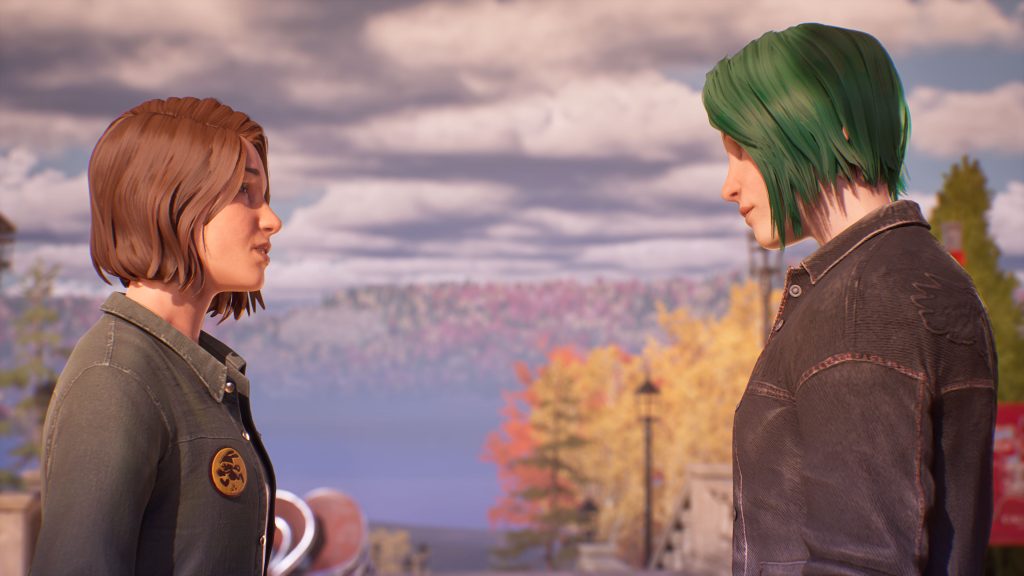
But much like Double Exposure, Life is Strange: Reunion didn’t necessarily have to exist. Bae or Bay could have nestled comfortably in our hearts and minds with nary a resolution, forever extended upon in the realm of fan fiction and idle musings. Yet where Double Exposure offered us Max in a new setting primarily independent from the biggest decision of her past, Reunion can’t exist without the full weight of three games behind it.
That’s a tall ask that few developers have answered the call of. Even Mass Effect‘s lofty planned out trilogy tripped up in its final chapter. Having already interpreted both the universe and the characters set forth by DON’T NOD, Deck Nine has proved themselves to be worthy stewards of Life is Strange. And I feel as if Reunion was crafted partially as a response to yearning fans but also so Deck Nine could free themselves from the bonds of Max and Chloe.
The ultimate problem? Reunion gets lost when it isn’t laser-focused on its two beloved leads.
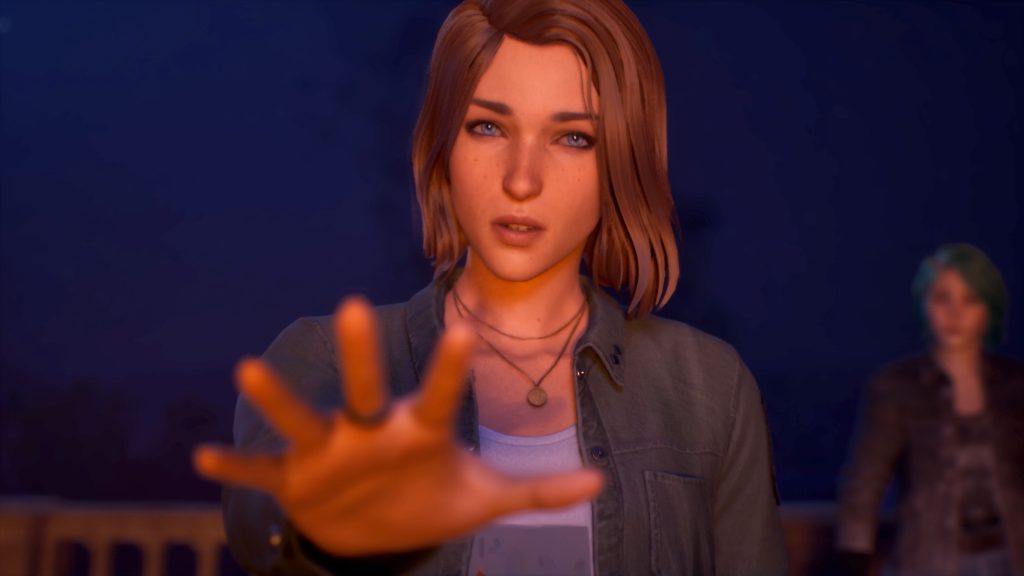
In Double Exposure, players are given the opportunity to shape Max’s current iteration on whether or not she chose to save Chloe or save Arcadia Bay. One couldn’t exist with the other. In the game, Max’s relationship with Chloe is primarily a memory. One of regret either through death or dissolution. And for most players, I don’t think that was a viable enough option. One of the series’ central pillars is mostly background noise that potentially flavors some dialog choices and whether Max is ready to start a new relationship.
Even with that baggage, however, Double Exposure did what the original Life is Strange did. It had a well-written protagonist in Max and a colorful cast of characters she interacted with. It had a core mystery that helped drive the plot and justify the super powers. And it had–to coin a phrase Chloe would have used–hella vibes. God I love the folksy, mumblecore, indie vibes Life is Strange has always managed to exude. Those quiet moments when a song plays and the camera shifts around while the main gets introspective. The small town approach where everything has an intimacy. The cumulative whole of all these elements have made Life is Strange a very personal series for myself and others who perhaps needed it at just the right time it was introduced to them.
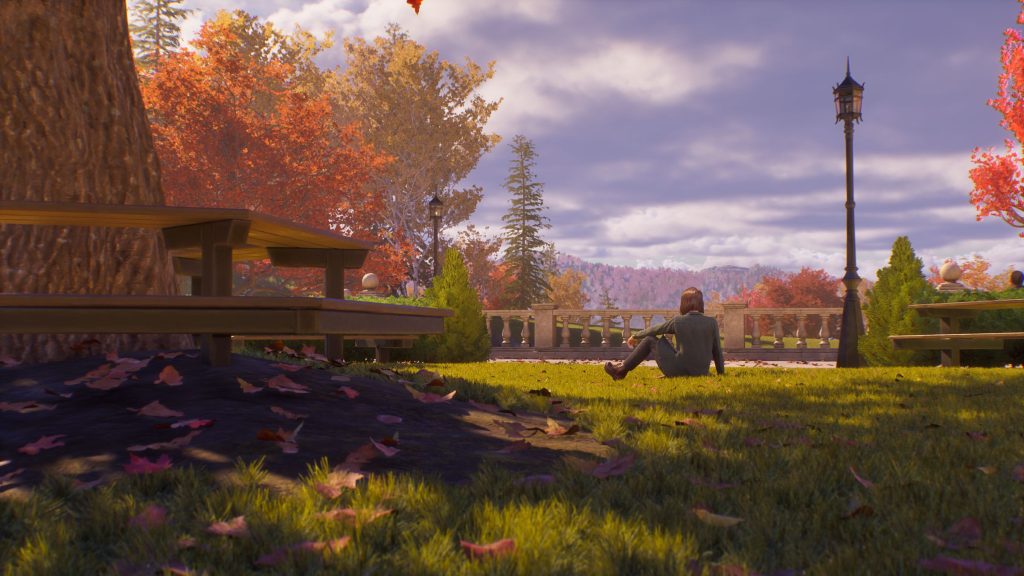
Reunion buckles under the weight of being more than just another Life is Strange game. It is burdened by the status quo established in Double Exposure. Where Double Exposure was a kind of fresh start, Reunion is the rest of the sentence after the ellipses.
When we met Max again, she had gone from a student to a teacher, a woman with lived experiences. The liberal arts college she teaches at gave her the chance to flourish, befriend staff, and establish her own voice that was shaped by her painful past. Safi, Max’s best friend, is shot and killed–like Chloe–and she attempts to change the course. But there, she was able to split realities, one where Safi lived and the other where she died. By the end of the game, Max had saved the town from another catastrophic storm, the concept of people with powers was introduced, and the player was left to wonder what might happen next.
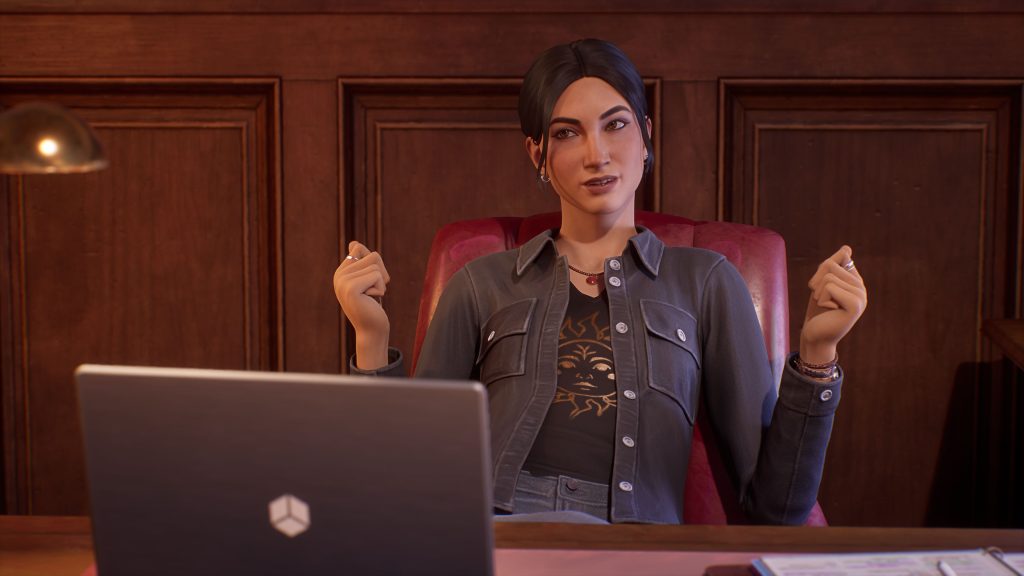
One of my biggest issues with Reunion is that almost every established character in Double Exposure serves as interstitial plot devices or flavor text. The conflict here is that Max returns to Caledon after a weekend promoting her photography and sees the campus on fire. She rushes back to students and friends perishing in the flames, only to be shot back in time to days before, putting a time limit on how long she has to figure things out.
From there, friend and coworker Moses is one of the few constants in Reunion that keeps up the screen time he had in Double Exposure. Safi is back but mostly flits in and out of chapters. Diamond and her mystery powers are completely absent. Reggie and Loretta serve to nudge plot along. Vinh and Amanda lose importance while Yasmin takes added prominence. The new Dean of Caledon barely registers as a character and is mainly an asshole who seemingly will cause intrigue at some point.
Naturally, the narrative should revolve around Max and Chloe but the rest of the cast truly felt like side characters in a way that is usually relegated to the final chapter or two of these kinds of games when all the pieces have fallen into place.
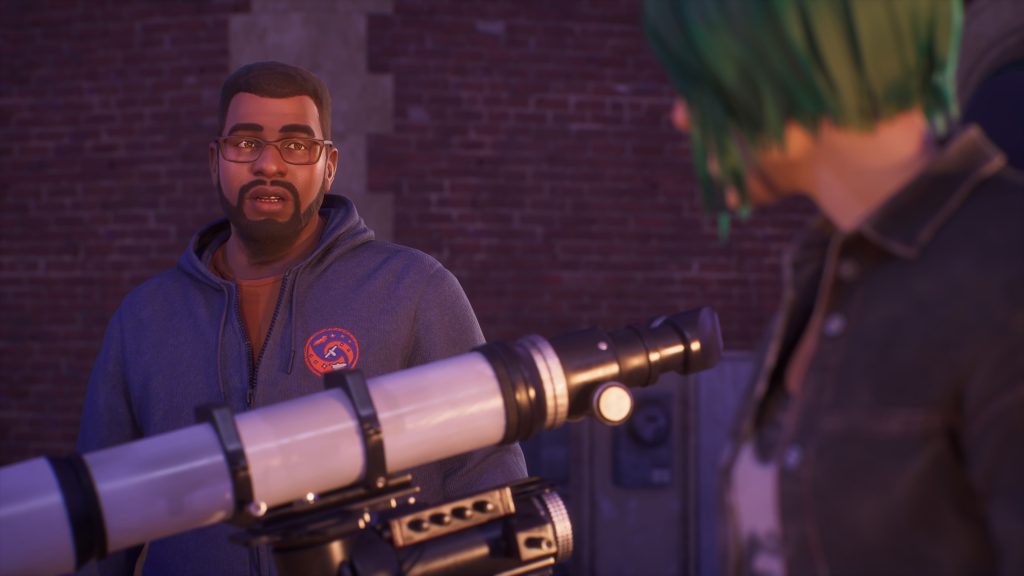
Looking back on my time with Reunion, the game feels more hollow than concise. Moses’ lab, the campus grounds, the bar, one scene of Max’s house, a staff building, an off-campus house… I can’t really think of any other locations. The world here seems extremely condensed in a way where open spaces feel like an excuse to dart between necessary and optional conversations or take pictures for trophies.
Honestly, Reunion so frequently itches at the notion of it being DLC. In this modern day that isn’t an entirely damnable offense. Life is Strange: Before the Storm was shorter in length than the main game and thrived. But here, this feels like lost chapters of Double Exposure, as if we waited two long years for the final chapters of the game to finally drop in this once episodic series.
Players do not shift back and forth between realities. Instead, Max is able to rewind time again much like in the old days. There are some clever moments where objects are obtained to progress the plot or solve rudimentary puzzles; yet I liked the funny moments where you could speak with a character to learn things and then rewind time to act as if you never confronted them in the first place–some of it merely for head canon. But even with a series as light on mechanics as Life is Strange, Reunion lacks the weighty punch of prior games. While I did briefly agonize over certain choices, it ultimately felt like they didn’t truly impact the plot or the way characters approached Max. Only once did Deck Nine provide players with a memorable illusion of choice that led to a heartfelt moment that was actually earned. Even Chloe’s ability to Backtalk where she engages in multiple choice responses to “win” dialog is implemented only a handful of times.
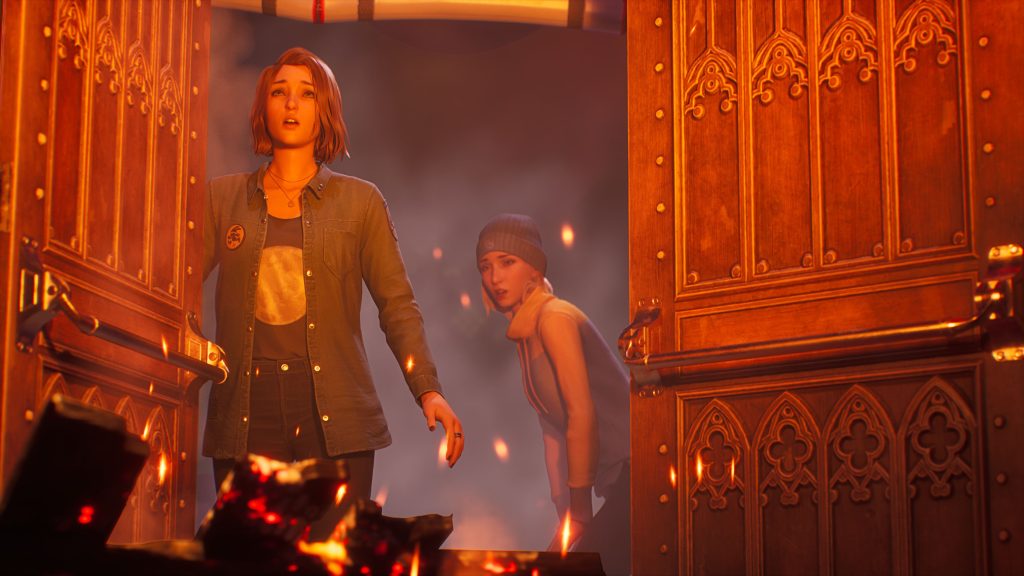
Deck Nine’s overly lean approach with so many aspects of Reunion serves to highlight what is most important here: Max and Chloe. It feels like this game’s singular purpose, as if this story had to be “officially” told in one capacity or another.
Despite all my issues with Reunion, I was always captivated by the drama surrounding these two main characters. It’s here you can see what the writers care about the most and what they know the players care about most too. And that’s a difficult thing to wrestle with.
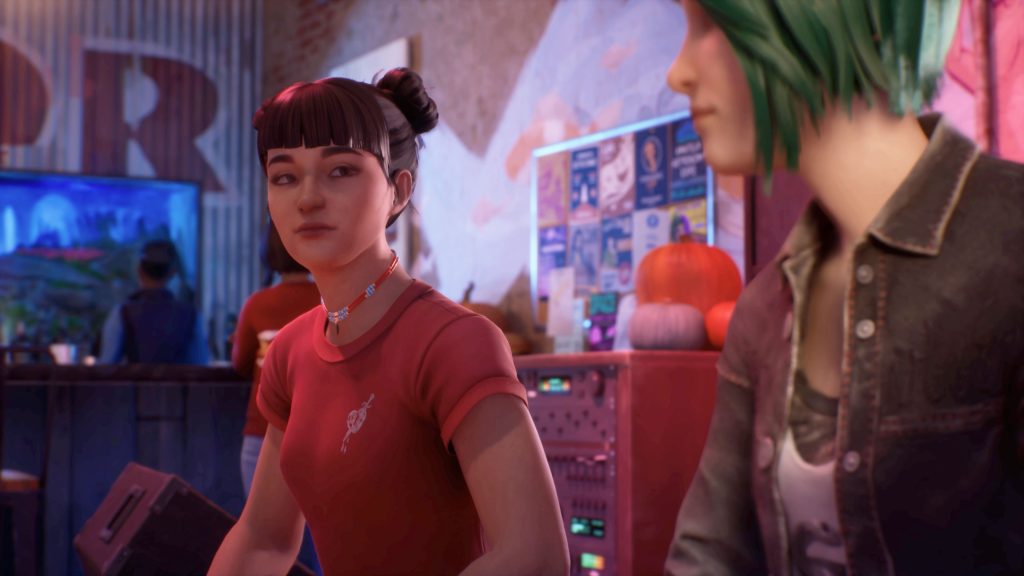
When the credits rolled, I felt that same clash of melancholy, relief, sadness, and warmth that I always have with these games. I was worried about their fates and whether or not they would get their happy ending. The way Hannah Telle continues to nail this role and even Rhianna DeVries making Chloe her own after Ashly Burch. There really is something beautiful about the dialog and these characters, the way Life is Strange has always excelled at being a very human game about human characters that can hurt like us all and want the best for others… they just happen to have super powers.
Even the way Reunion works either Bae or Bay into its framework is done surprisingly well. The trauma of that first storm and how it shaped Max and Chloe’s lives permeates throughout and is told stylistically. The dueling conflict of trying to understand the cause of the fire and the paradox of Chloe’s existence helps glue the action and the writing together. It places emphasis on the narrative’s overall purpose of whether these two women are ultimately meant to get their happiness and how it can be achieved.
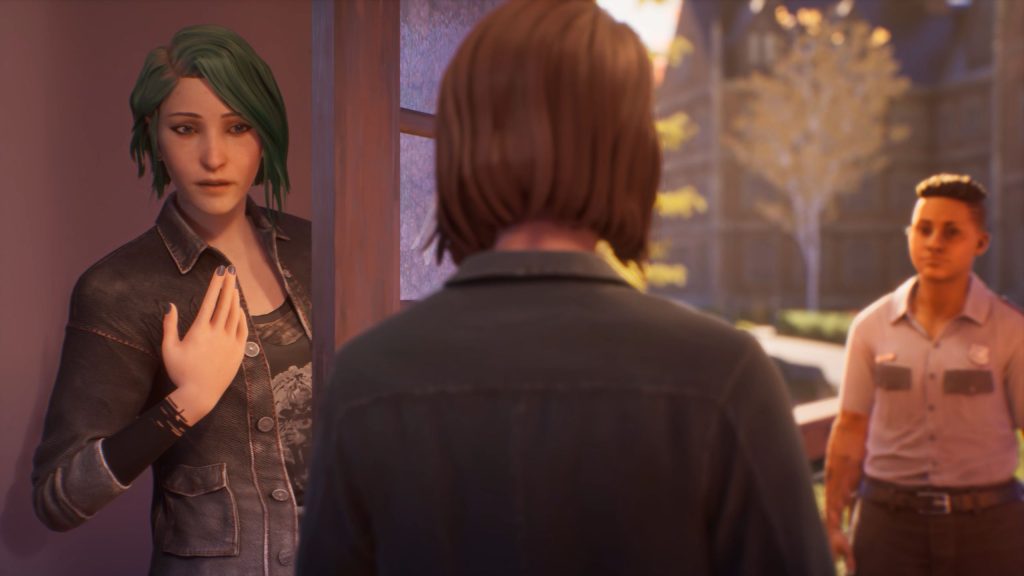
Perhaps that is my main problem with Reunion. I just wanted more of what makes it a truly special and good game. The original Life is Strange felt special not only because it was a new IP that nailed slice-of-life narrative, it did it with a different coat of paint. True Colors resonated with me because it spoke to a somewhat aimless time in my life, desperate to find meaning amongst the chaos. I remember the moments of Max and Chloe just being teenage girls and goofing off, still being playful and curious despite the adult situations they were put into. I remember Alex Chen spending most of a single chapter LARPing with the entire town that players had grown to know.
Max and Chloe’s reunion is so frequently rushed through its paces. In a blinding light like an angel, Chloe comes to Max’s rescue as their first time to meet up. Ten years ago, that would have been the end of Episode 1 and we would have to wait at least a month to know what was next. Chapter 2 would spend the next 30 minutes building up the momentum of their first conversation. In Reunion, Max is already awake because Chloe drove hours to find her. Then Chloe wakes up, snoops around Max’s photography wall. Then the two have a few minutes of catching up before we launch into the next scene.
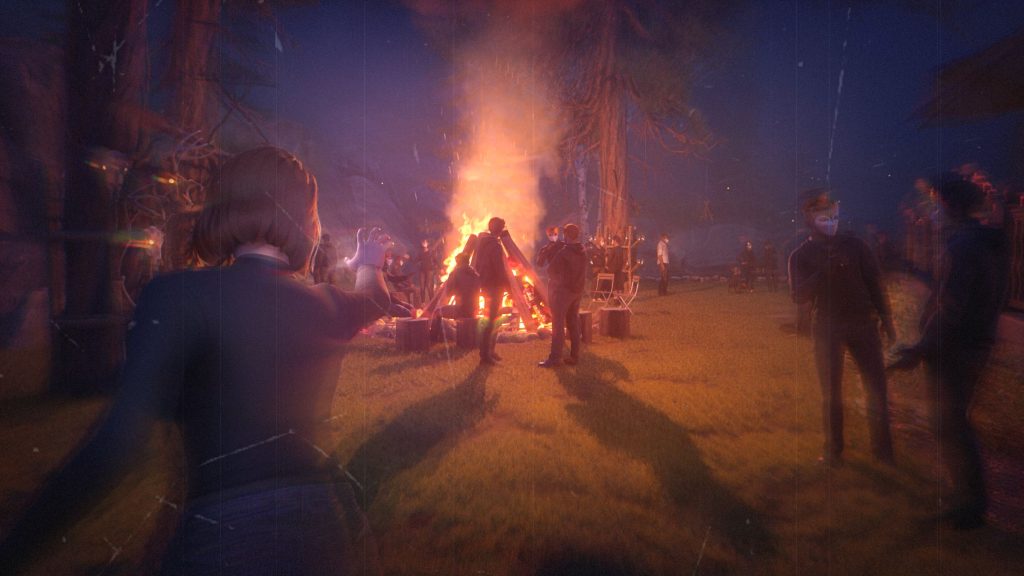
Reunion doesn’t let us marinate in the majesty of these middling moments, where the only thing that matters is existing in the same room as a person you haven’t been able to stop thinking about for over a decade. For just a few minutes in time, the real world melts away. All the horrors, all the problems can temporarily be muffled in the back of your subconsciousness while you soak up a new first time. The surrealness of reality.
Honestly, I could have taken an immensely brief experience solely focused on Max and Chloe. They have always been the poster girls/women for Life is Strange and likely will remain that way whenever the series presents itself again. Many would agree that closure had been reached one way or another after the conclusion of the first game. Double Exposure blurred those lines a bit. If anything, Reunion put a bow on it all. I can look past the limited mechanics, the distracting way hair would clip into characters’ shoulders and head, the lack of variety.
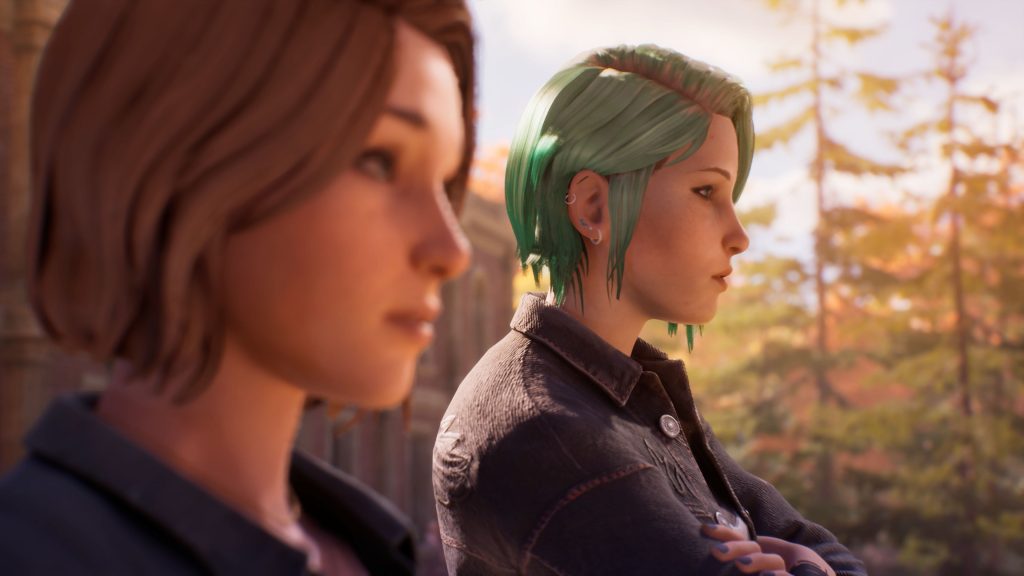
What I wouldn’t have been able to forgive is a fumbling of Max and Chloe. And thankfully, Reunion gets that right. To the point where it is a balm for the rest of the game’s shortcomings. And as long as your true purpose wins out, not all is lost, right?
Life is Strange: Reunion attempts to tackle the difficult task of wrapping up the loose ends set forth in Double Exposure and find resolution for the series’ two beloved characters. The relationship between Max and Chloe has always been a highlight of the genre and thankfully it carries a weaker entry in Life is Strange that struggles to navigate its overly simplistic gameplay and less important subplots.