

I’m cautious to recommend the Sundara Closed Back headphones. If you’re in the market for a pair of cans under $200, then you’re definitely better off with the open-ear model (check out our review of it!). If closed back headphones are non-negotiable, then these Sundara headphones will be a good fit for your ears so long as you have an amp to properly power the headphones to produce the improved sound quality. Regardless, they feel great in hand and even better on-head.
Remember when I reviewed the king of mid-fi headphones, the HiFiMan Sundara Open-Ear Headphones? It turns out they have a closed back sibling…and they’re also called the Sundara. Naming similarities aside, the Sundara Open-Ear headphones are a separate product from the Open-Ear model. They’re priced slightly less, have a different sound signature, and cater to a different type of listener. If you’re on the fence for an entry level pair of closed back headphones, then maybe you should continue reading.
Yes, I said maybe. I have some hesitation about this particular model after testing them out with and without an amp, and I’ve gotten wildly different results. Some of this is to be expected, sure, but there’s something weird about an entry level product needing a good amount of category/product investment to clear the “good enough” bar. I digress…
Check out the HiFiMan Sundara Closed Back Headphones on HiFiMan’s website! (non-affiliated URL)
HiFiMan is a longstanding manufacturer of high-fidelity headphones. They specialize in planar magnetic headphones – that is, headphones with a thin diaphragm that run through the cans alongside a suspended magnet. From some HiFi consumers’ perspective, planar magnetic headphones are an acquired taste given their high price point and tuning. Planar headphones have a tendency (yes, tendency) to require additional power via an amp, but some models are tuned as such that they can be used out of the box. If you’re a fan of something bass heavy, then keep on reading.
The HiFiMan Sundara closed back headphones aren’t just a closed-back model of the tried-and-true mid-fi champions in the planar magnetic space, they’re a model of their own with a novel construction and unique audio signature. They feature the same NEO Supernano diaphragm (a HifiMan classic), too. HiFiMan’s planar magnetic offerings are more affordable than other competitors, but they could come at the expense of questionable audio quality. For the closed-backed Sundara, you’re getting a pair of cans that offer a sublime contained listening experience (par for the course of closed backed headphones) that overindexes on bass.
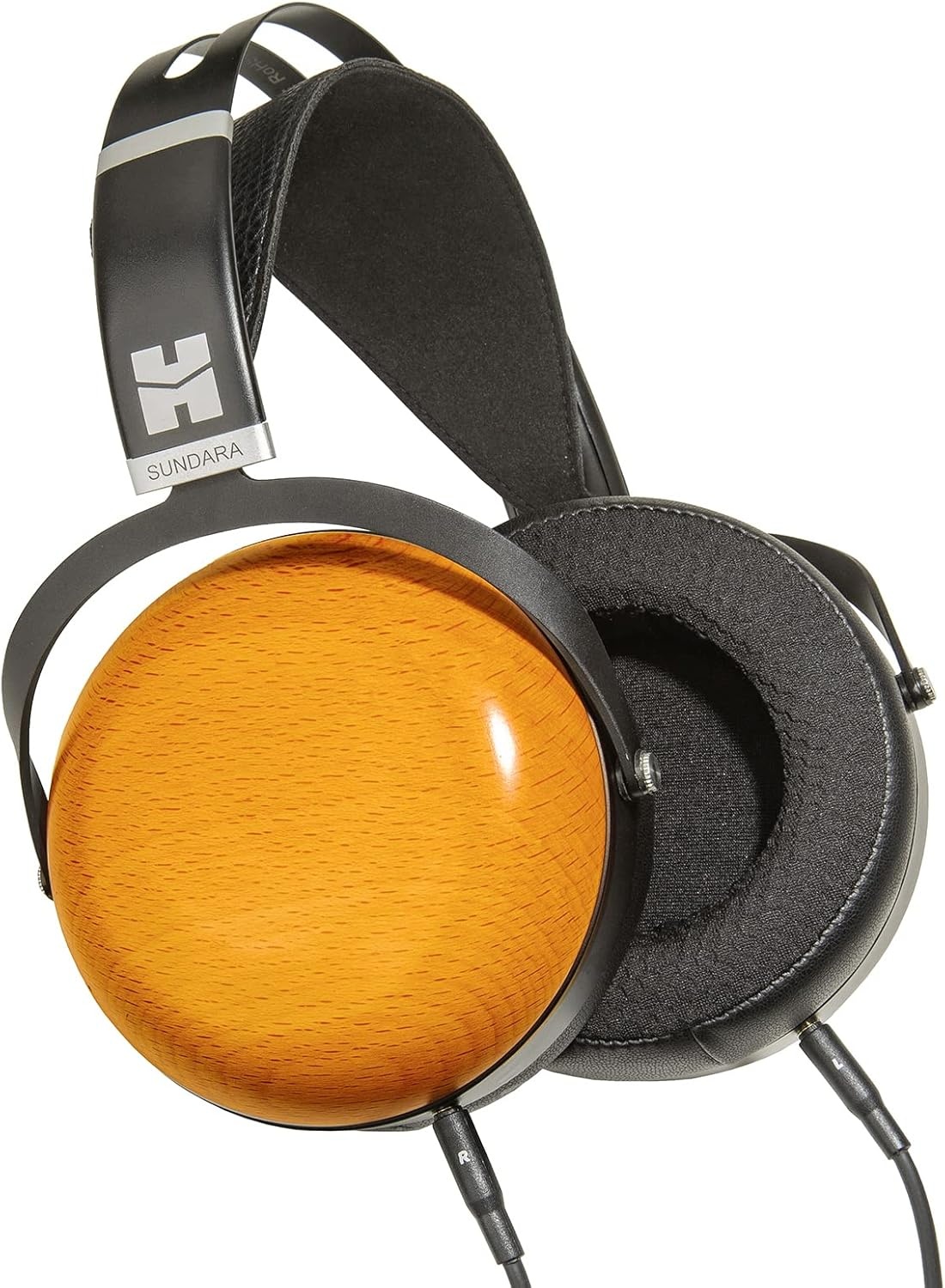
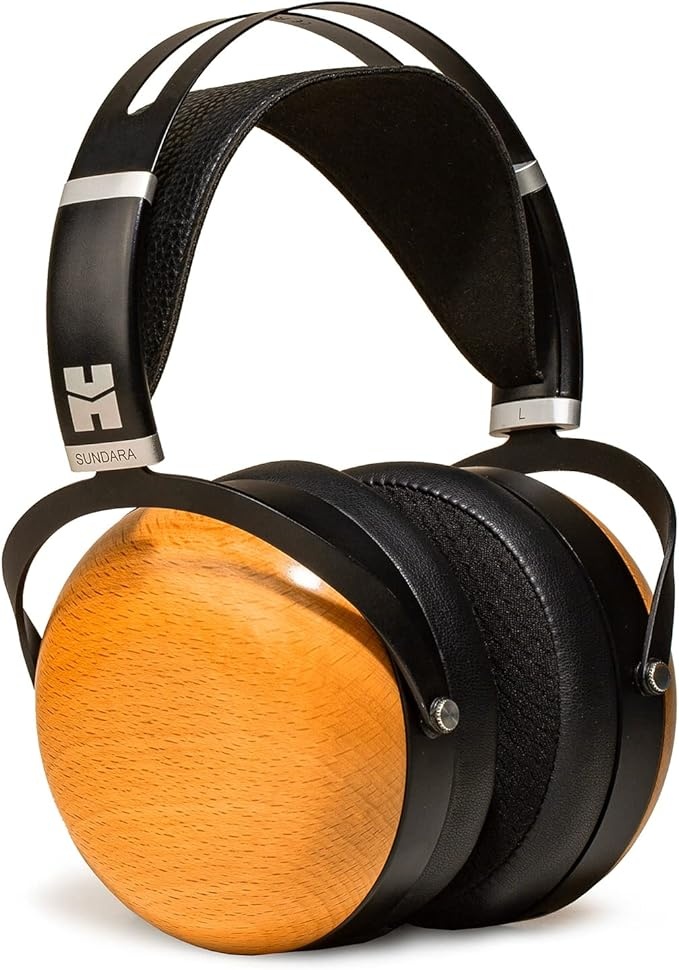 These Sundara are like their open-backed counterparts when it comes to the unboxing process. There’s the foam cutout that doubles as a headphone stand, a long rubber cable, an aux adaptor, along with the headphones themselves. I’m not the biggest fan of the cord’s build quality, but for an entry level set of cans I am willing to give it a pass. Most first-time Hi-Fi audio owners won’t be able to tell the difference, but if you have a balanced aux cord you should absolutely use it over what comes in the box.
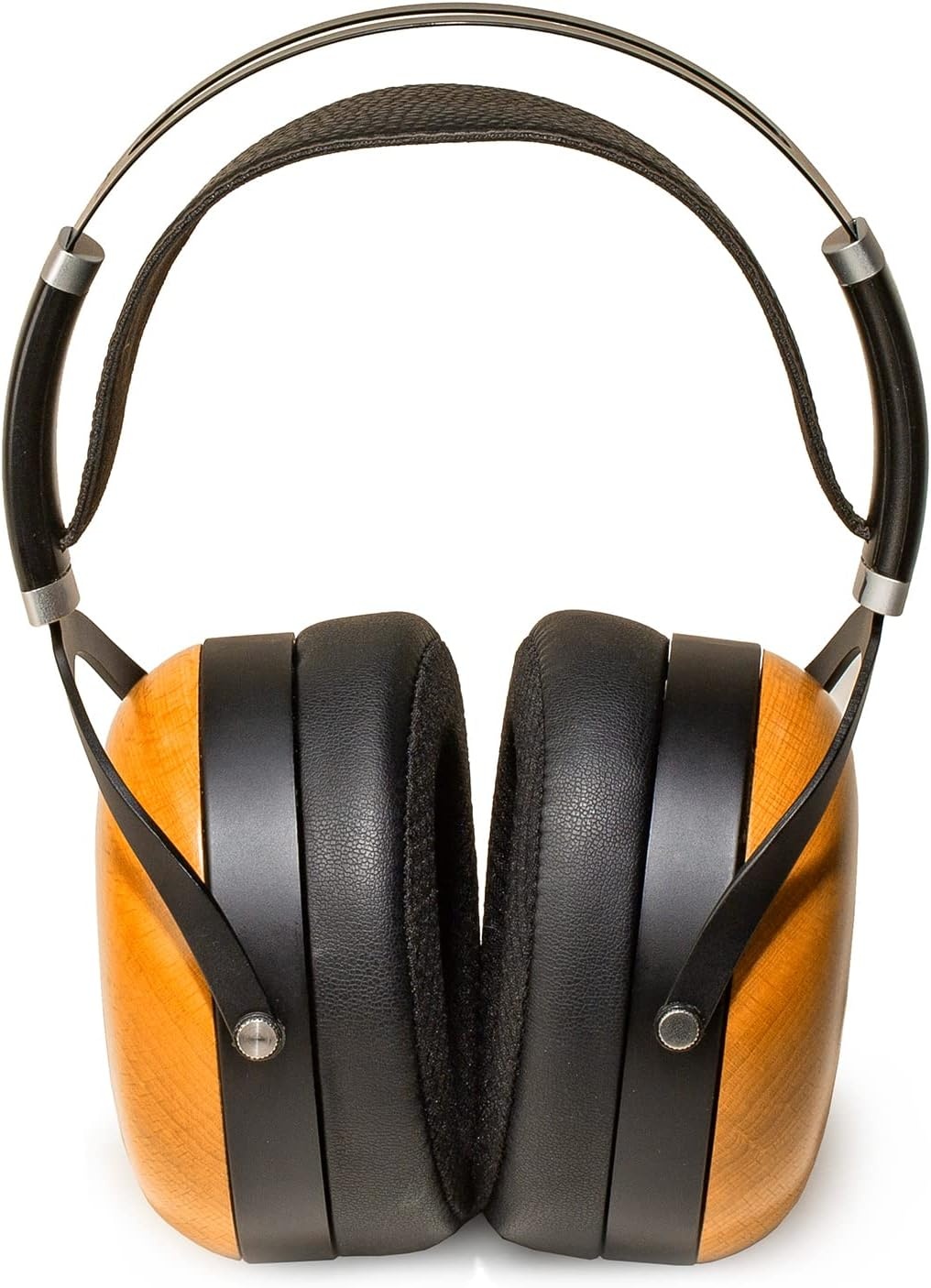
This pair of cans has a similar build quality and form factor with their open-backed counterparts barring one feature: the use of beechwood for the cups. The beechwood looks and feels premium, adding a smidge of weight to the headphones. It’s a nice touch that elevates the headphone in having a natural design rather than something traditionally featuring metal, cloth/leather, and plastic.
In terms of comfort, these headphones are shockingly comfortable. Yes, they feature similar materials as their open-backed counterparts – most notably the leather headband, metal arch, and cloth earcups. But, placing them on my head yielded surprise. Because of their wooden outer cups, I expected far more heft on my ears. There was no heft. Instead, there was a pretty even distribution of weight across the headphones that kept them solidly placed on my noggin without too much pressure. It’s hard to describe, especially knowing that the headphones are comprised of metal and wood.
 Next, let’s pivot to sound quality.
Coming out of my review of the open-backed Sundara headphones, I was disappointed by the lack of punchy bass despite the crystal clear mids and sparkly trebles. The closed back variants provide an inverse audio experience. Admittedly, it’s not my favorite, but it’s salvageable with some tweaks and an amp. From what other consumers were saying online, it’s a stark departure from HiFiMan’s traditional tuning, but I’m not yet equipped to make such a statement seeing as these are the second pair of headphones I have tested from HiFiMan. While the jury might be out on that front, it’s hard to ignore that the closed-back Sundara are bass heavy thanks to their physical design.
Starting with the bass, the Sundara produces naturally sounding, defined, yet punchy bass. It’s perfect for bass-heavy tracks and admittedly the headphone’s biggest strength. In testing these headphones with house music and DnB, basslines sounded pronounced and had meaningful impact down to the sub bass level. Without an amp, the bass dramatically overpowered the mids and trebles to the point where they sounded near-tinny. For average listeners (think of those coming from AirPods), the bass will sound comparable but with a smidge more detail. There’s no muddiness, though, so take that as a win.
In the midrange, the Sundara closed-backeds produce warmer yet withdrawn audio. Pop music sounds less punchy than I would prefer, but soft rock sounds great with these cans. There’s a smidge of intimacy that comes through despite the overwhelming bass that helps the listener focus on individual instruments that are guided by a prominent bassline.
 The treble, unfortunately, is where these Sundara falls short. Some reviewers claim that the treble is balanced, but I highly disagree. My experience with the Sundara contained a sibilant treble that was too sharp for my preference. The sharpness resulted in some details being lost alongside the overwhelming bass. I had to adjust the EQ to tone down some of the higher frequencies so I could better appreciate the music.
These headphones absolutely shine if you’re listening to bass-heavy music or if you’re planning on using these for watching movies. They can adequately contain the special effects that are often over-emphasized in movies while being able to maintain consistent conversation volumes with minimal adjustments. If you’re looking for a pair of cans to help you immerse yourself in a club-like environment or a movie theater, these easily clear the bar.
At the top of this review, I mentioned that I got some wildly different results from testing the Sundara with an amp. I have an Atom Amp+ that I use for testing Hi-Fi headphones. When plugging the Sundara into my Amp+, the sound signature sounded fuller. The overwhelming bass I noted was less noticeable, as the soundstage felt more open while the mids had a greater presence. If anything, plugging these headphones into my amp negated the less-than-satisfying audio qualities I experienced in my first 40-or-so hours.
I wouldn’t have a problem with needing an amp for these headphones if they weren’t in the entry-level price point. At $129, the Sundara Closed Backeds are one of the most affordable closed back headphones you can get in 2026. As such, my expectation is that these headphones should be ready for use right out of the box – no additional peripherals or long-term use to “burn in” the audio. As such, these headphones are impacted by an identity crisis that has one foot in the “baby’s first headphones” box and “needs a +$100 amp to make it right” box.
I’m cautious to recommend the Sundara Closed Back headphones. If you’re in the market for a pair of cans under $200, then you’re definitely better off with the open-ear model (check out our review of it!). If closed back headphones are non-negotiable, then these Sundara headphones will be a good fit for your ears so long as you have an amp to properly power the headphones to produce the improved sound quality. Regardless, they feel great in hand and even better on-head.