


Bungie has had quite the year(s). After releasing two expansions that received mixed reviews, they went back to the drawing board to see how they could re-tame the success they garnered from Destiny 2’s initial launch. That’s a tough task considering the drastic changes that have occurred within the devs’ homestead.
What Bungie came up with was their latest release with The Edge of Fate. While not the typical annual expansion that most fans are used to seeing, The Edge of Fate introduced a smaller, more contained storyline that connected fine with The Final Shape, but drew its own path in the process.
The story of The Edge of Fate begins where The Final Shape ended. Your guardian and a few others are pulled to a planet called Kepler by the former emissary of the Nine, Orin. While there, the group meets up with a time-traveling human named Lodi, who is equally baffled about how he got to where he is and wonders what happened to where he was. In the mix, Ikora and the Drifter are yanked into the storyline, though Ikora is especially pivotal to the plot of the story, as she learns about her past.
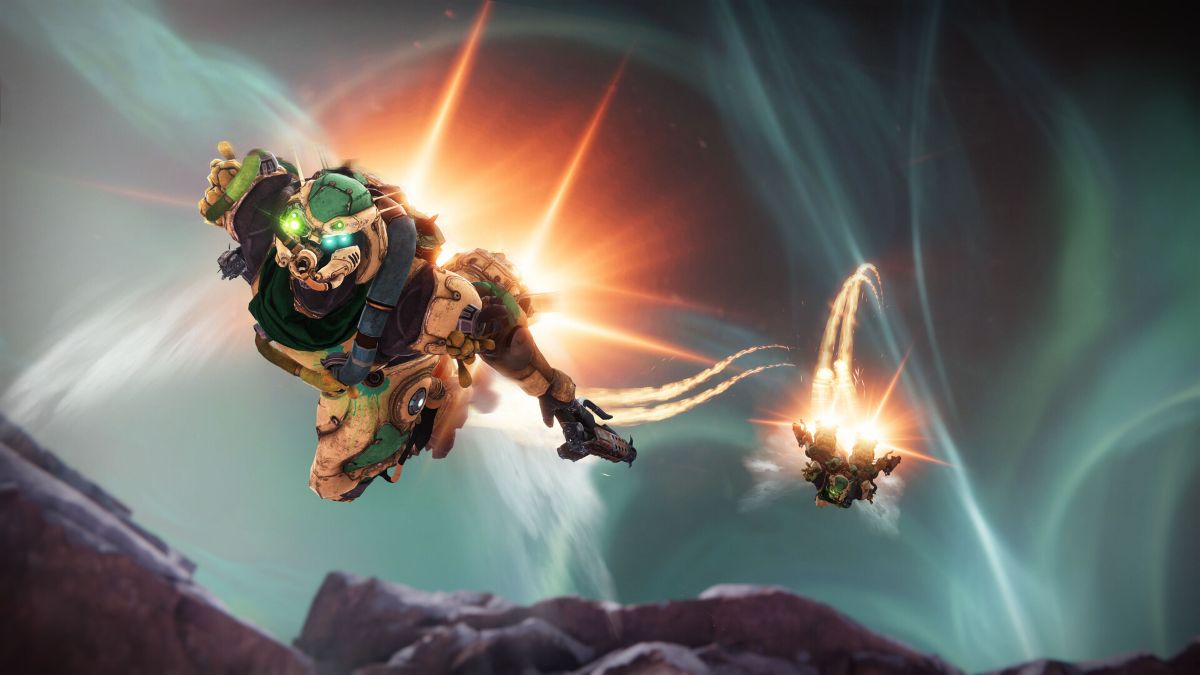
While there are a lot more twists and turns to this story, that is the main gist of it. Honestly, this isn’t a bad way to go, as it’s a more contained and intimate storyline that works perfectly from the end of The Final Shape while setting in motion the beginning of whatever is next. The storyline isn’t too convoluted with details, nor is it too simple with its execution. It has a balanced set of acts that satisfy from beginning to end, and all lead to a surprisingly entertaining raid event. The size of the story is around 5-10 hours, not counting the raid and the side quests built into this expansion. You’ll get some good entertainment out of it.
Now, with that said, the story does a good job, but it introduces some gameplay elements that I’m not at all sold on. The first one, and the one that might annoy you the most, is changing the matter of the Guardian in the game from beams of light that will convert said Guardian into a small light ball. This aspect of the gameplay is built into nearly every puzzle that The Edge of Fate contains. Essentially, you can hit this light beam, hold down a button, and you become a ball of light. It’s that simple.
What isn’t simple about this light ball integration is how clunky it feels and how disruptive it can be to normal gameplay. You’re limited by mechanical performance as this Metroid-type ball, and you’re timed as it. The latter of which simply creates stress, as getting stuck in the wrong place when the timer is up means that you’re instantly dead. That stinks when you’re trying to navigate several areas in this form and getting thrown off purposely with dead-end directions.
Getting back to the former, the limitation of the form is purely through controls. You can attack enemies, but jumping and moving around is very loosey-goosey. You’ll find this out right from the get-go when you try to navigate small pipes or tunnels with the light ball form, as you’ll be forced to use both thumbsticks for direction and momentum. You’ll more likely than not find yourself hitting walls or turning the camera the wrong way by accident. Why Bungie felt the need to treat this light ball like driving a tank is beyond me, but it simply doesn’t work.
When you’re not moving and shaking, occasionally, you’ll need to jump from one platform to another in this form. That isn’t at all accurate, nor is it fun. Struggling mid-fight with jumping and having to put all your life on the line during a non-dying event is irritating, as it is stressful. For example, the final fight of the story has you jumping on platforms in this light ball shape and requiring jump/land accuracy that, if missed, forces you to restart the entire fight. I found that fun out the first two times I played the fight. It was so stressful that I couldn’t enjoy the gameplay and just wanted it over.
The decision to include this with regular Destiny gameplay felt like it was done out of desperation and not fully thought through. Granted, the light ball does offer a good connection with puzzles created for the expansion, but it still is more of a hassle and hindrance than it is fascinating, fun, or creative. More importantly, it unnecessarily slows gameplay and kills any momentum or pacing of the adventure. It feels very forced.
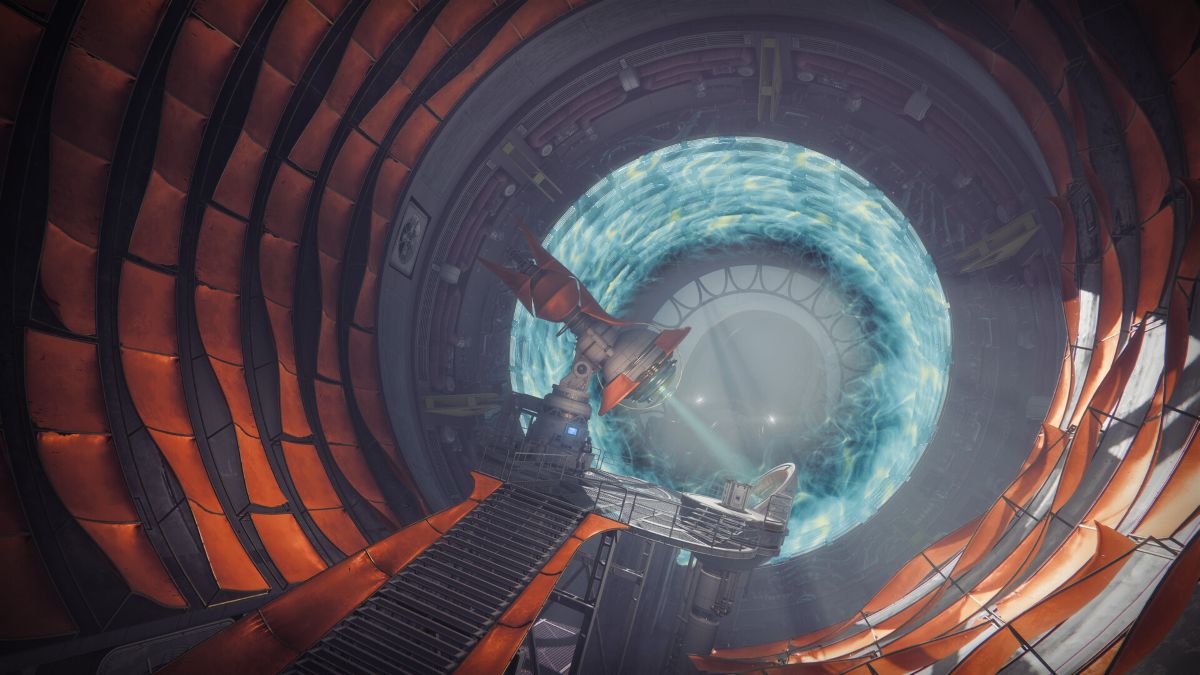
Everything above combined, The Edge of Fate does a good job of adding narrative context to a desperate story that needed to be simplified and rebooted. It also does a balanced job of combining good puzzles with solid action. While it won’t go into the ‘all-time greats’ category of expansions, it does enough to try and be different than what came before it. It seems like the right track, but Bungie still needs to work out their ideas and what should or shouldn’t be included in expansions.
As it stands, The Edge of Fate is a good start for Bungie’s new era. I suspect that Sony’s alleged involvement in future expansions will have a more positive impact on how Destiny 2 is shaped from here on out. The combination of Bungie’s development team working with Sony will do wonders for the series.
On that sweet note, let’s wrap up this review.
Conclusion
Destiny 2: The Edge of Fate is a smaller, more intimate expansion compared to the usual Bungie annual release. It contains a smaller story that is more focused on new avenues to explore in the universe, while also featuring some hit/miss gameplay mechanics that work more than they don’t. It’s the right direction for the franchise and a spark of hope that better things are to come from a decade of world-building.