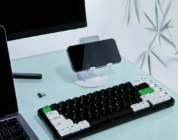

Cerakey’s Peak60 is an excellent proof-of-concept for keyboard enthusiasts to build a novel 60% keyboard without being constrained to the typical plastics and metals of everyday mechanical keyboards. As an owner of the Wooting 60HE v2, I refuse to use anything else because it makes typing sound so, so good.
It looks and feels like Cerakey is getting closer and closer to making a full ceramic keyboard, and for that, I am thrilled. Unlike competitors’ approach to designing products made of a lesser-quality composite ceramic, Cerakey is the leader of their premium keyboard upgrade category thanks to their luxurious ceramic keycaps and associated ceramic accoutrements. Since initially covering their early iterations of their ceramic keycaps all the way to their keyboards, I’ve been consistently impressed with the quality and tactile feeling ceramic provides.
Cerakey’s newest product, the Peak60, has a simple value proposition: Provide a case made entirely of ceramic for existing 60% keyboard owners to use instead of the case that originally came with their keyboards. It’s a similarly simple proposition that artisan keyboard manufacturers use when gauging interest for group buys of small batch accessories. They expect you to have most of the parts and knowledge needed to make a single upgrade.
Check out the Peak60 on Cerakey’s website!
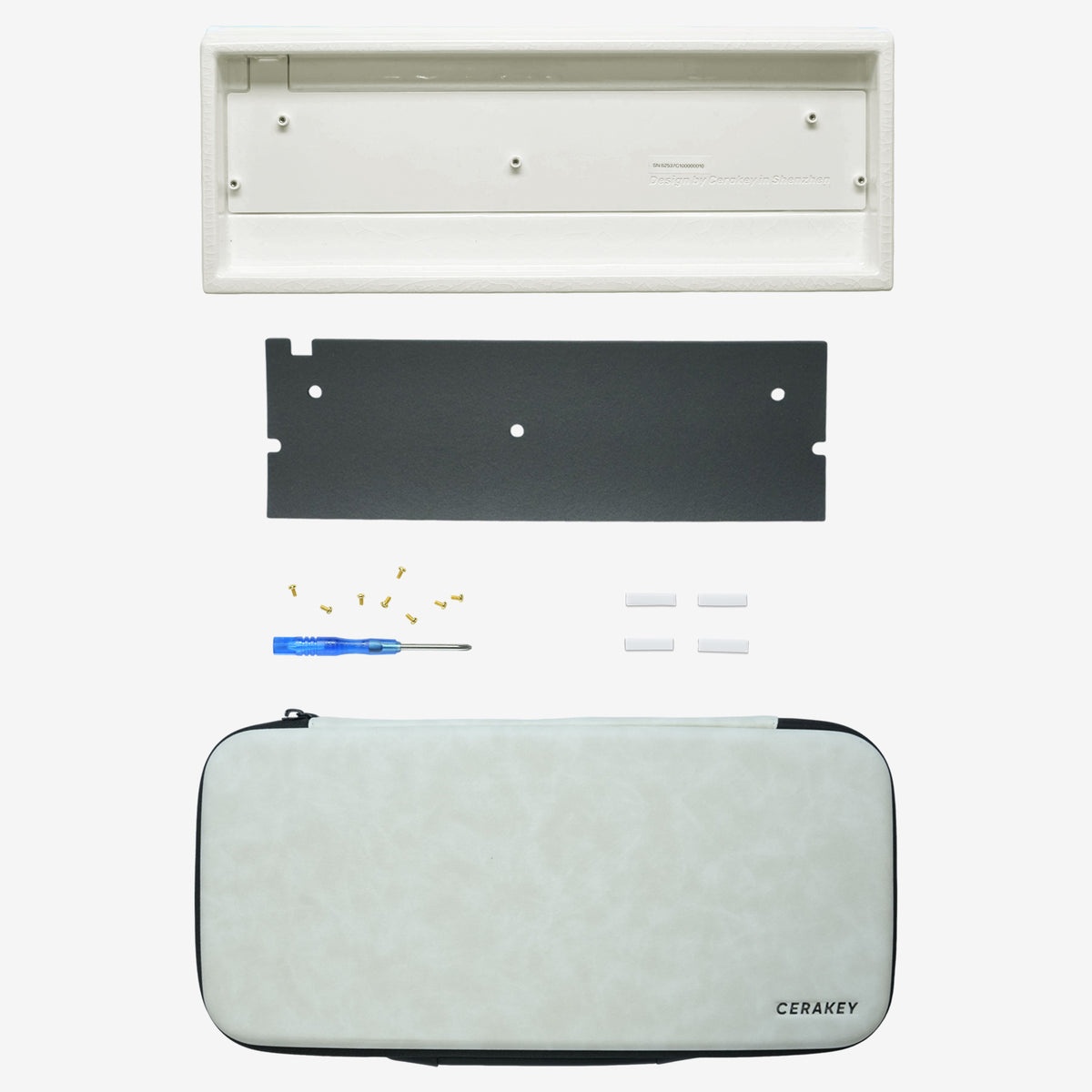
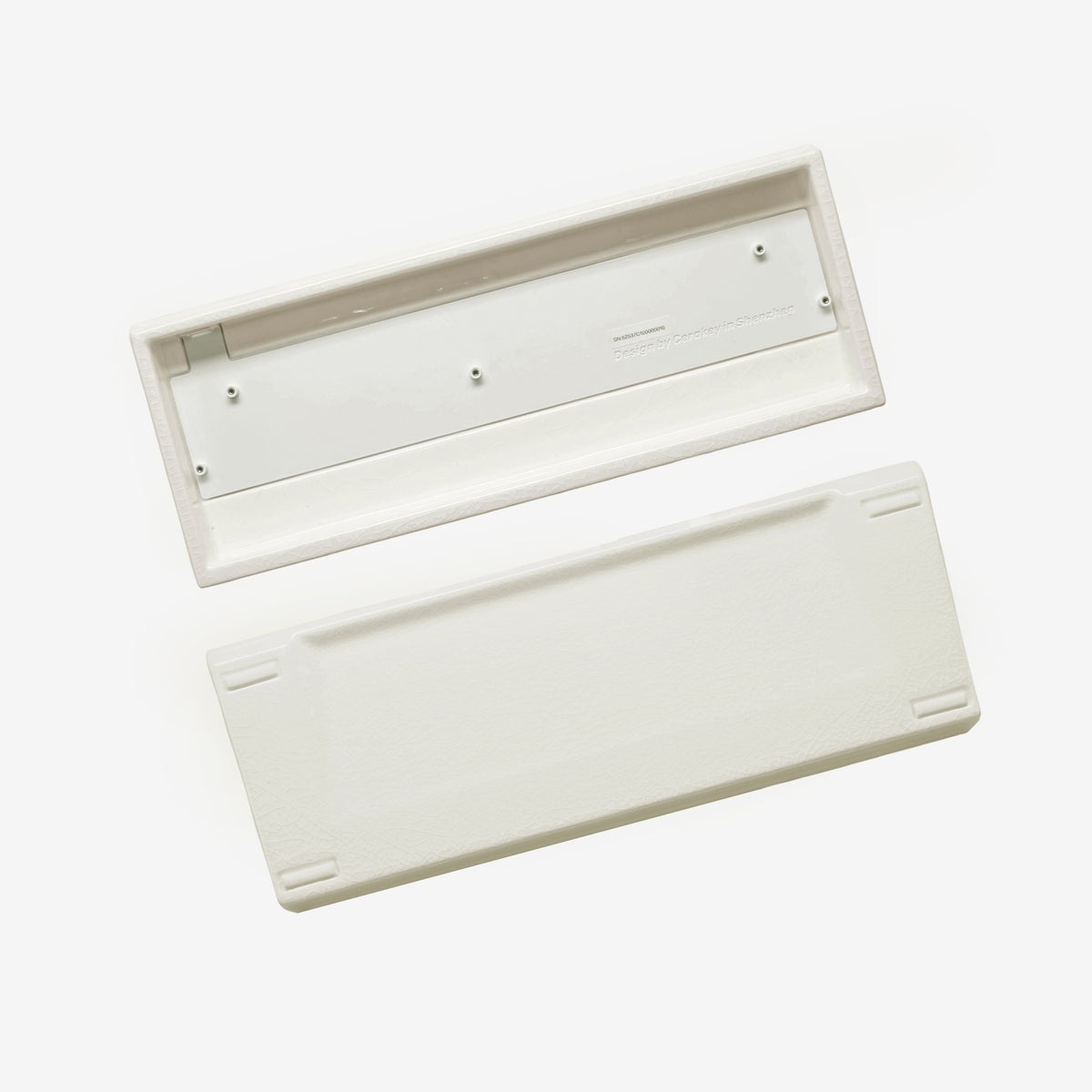
As mentioned, the Peak60 is simply a ceramic case (and what a gorgeous case it is!). There are no switches, keycaps, or even PCBs to be had when placing the order for the Peak60. Instead, all you’re getting is the ceramic case (for just over $100). In the box is a poron foam insert, silicon feet for the bottom of the keyboard case, a screwdriver, and some screws for your PCB’s installation. It also contains a sturdy leatherette carrying case that’s perfect for taking this small keyboard on the go (even though the ceramic material adds some heft).
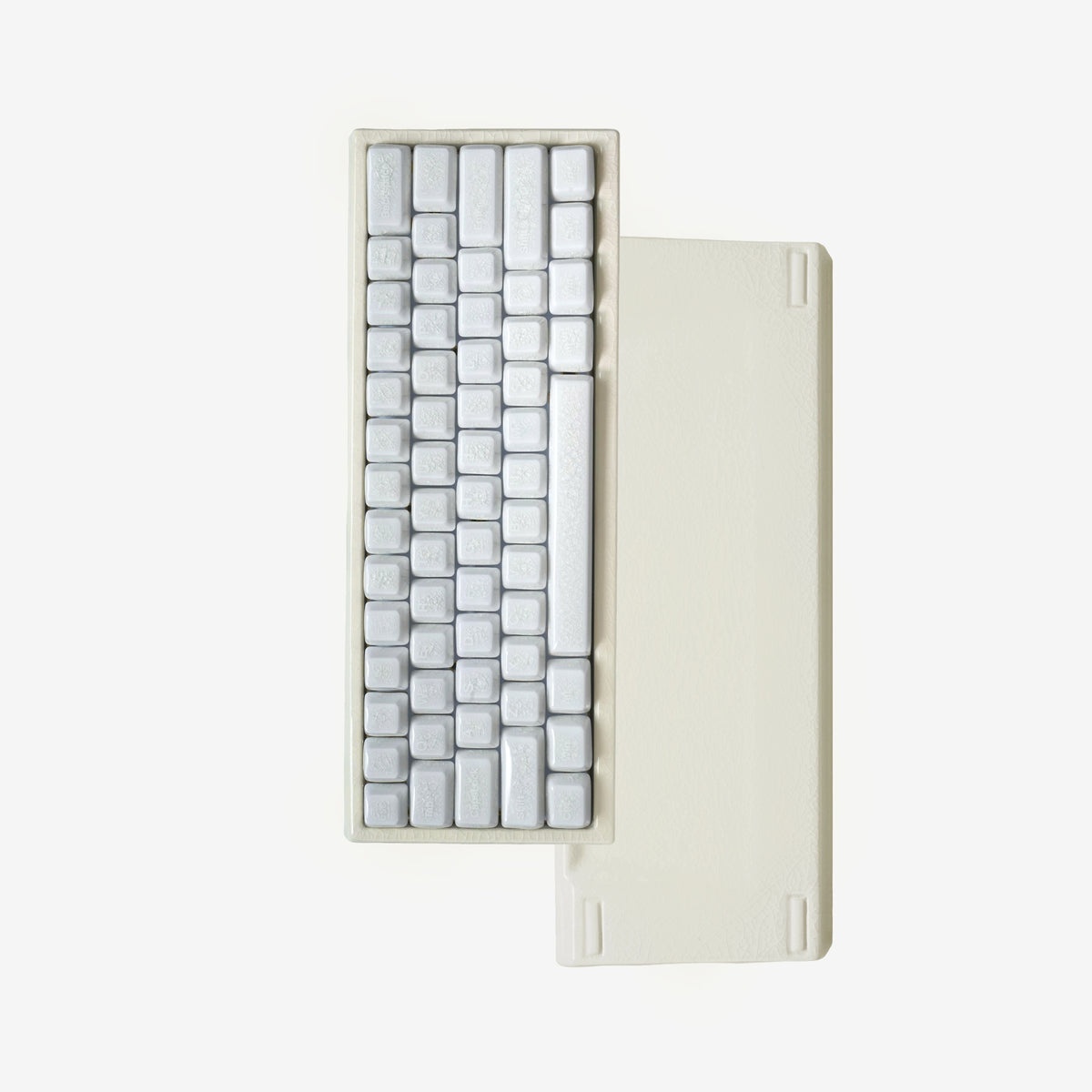 If you’re curious about whether your 60% PCB is compatible with the Peak60, Cerakey has included a chart on their website for a general idea of which major 60% manufacturers work. For clarity’s sake, it looks like just about any 60% keyboard with a standard layout and USB-C port on the upper left corner should fit nicely. I have a Wooting 60HE v2, so getting my PCB installed in the keyboard required me simply aligning the PCB with the opening and pressing down for the rubber along the PCB to properly seal. No screws needed!
The Peak60 feels great to use and feels just as fabulous in hand. If you’re familiar with Cerakey’s keycap quality, imagine a larger hunk of sturdy ceramic. I have the White Crazed variant, which is Cerakey’s novel approach to designing ceramic with naturally forming cracks that emulate ice crystals. I’ve been hesitant to try out their Crazed keycaps because I prefer keycaps with legends, so this was a nice opportunity to see what the fuss is about. The Crazed looks absolutely gorgeous when examined up close. The white model (which looks sort of beige to begin with) masks the intricate crystalline details well; looking up close reveals the natural cracks formed during the manufacturing process. It’s straight up gorgeous and a fantastic implementation of Cerakey’s ceramic prowess.
 Cerakey claims that the Peak60 serves two novel benefits: minimal interference for Hall effect keyboards along with a novel sound chamber. The minimal interference claim doesn’t sound that unique – it’s the same claim that can be said from a plastic or other non-metal keyboard case. Then again, there are some metal cases I’ve tested (like the stock aluminum cases from Wooting) that are perfectly compatible with Hall effect keyboards. I guess an argument can be made that the use of ceramic throughout the entire keyboard minimizes the likelihood of an impact, but that shouldn’t be the reason why you purchase this keyboard.
The ceramic sound chamber should be a consideration, instead. Within the keyboard is a molded indent that acts as a sound chamber, emphasizing the keyboard’s acoustics even when the poron foam is installed. If you’re already familiar with the deliciously deep thocks that only Cerakey’s ceramic keycaps provide, the ceramic case amplifies that acoustic profile to another level. With the right combination of switches, you can make the literal thocky keyboard of your dreams. I personally loved the combination of the Gateron Magnetic Blues (sold by Cerakey) and my current ceramic keycaps.
You don’t have to have magnetic switches or ceramic keycaps, though. The case will help your keyboard produce some deeper acoustics unlike the loud clacks from aluminum. Think of the creamy thockiness of thicker plastic…but deeper and without a flimsy echo.
With the release of the Peak 60, Cerakey is inching their way to compete against the prominent artisan keyboard manufacturers that sell keyboard kits. As of time of writing, the only thing that Cerakey isn’t selling is a ceramic PCB (yes, I am aware that a ceramic PCB is unfeasible). Now that they have just about everything one needs to build their perfect ceramic clad keyboard, Cerakey should consider branching outwards with ceramic cases for larger keyboards, alternative plate materials, and additional accoutrements that can help keyboard pros like you and I build the perfect ceramic keyboard.
 Sadly, there isn’t a full prebuilt ceramic keyboard from Cerakey, yet…but I have a feeling that they’re on the way to making one with the release of the Peak60.
Cerakey’s Peak60 is an excellent proof-of-concept for keyboard enthusiasts to build a novel 60% keyboard without being constrained to the typical plastics and metals of everyday mechanical keyboards. As an owner of the Wooting 60HE v2, I refuse to use anything else because it makes typing sound so, so good.