

This was an experience.
The Caribou Trail from developers Unreliable Narrators and ManaVoid Entertainment is a narrative-led adventure game that puts players in the shoes of fishermen who have found themselves at Gallipoli during World War I. If you’re not familiar with Gallipoli, there are plenty of stories out there about it, even a movie starring Mel Gibson. Be warned, it isn’t a pleasant set of stories, and The Caribou Trail follows along that same path.
The narrative brings the reality of the place and situation to life. It aims to take players to this hopeless, rundown, and beaten land. It also manages quite well to give a tragic picture of the situation the fishermen are in. It doesn’t pull punches about the stakes, nor does it tiptoe around the fact that most of the men who fought at Gallipoli were not going home. The story told in The Caribou Trail is tragic as it is sobering. It’s well done and respectful, and it all leads to a meaningful conclusion. It’s positively amazing and at the same time filled with horror.
I was appreciative of how well the devs put together the story and how it pulls at your emotions throughout the entire adventure. Seeing friends die, having to remove dog tags from the dead, and just seeing how war affects everyone in the trenches is an emotional rollercoaster ride. Every moment of the game is stitched together well, and it all helps put the player right where the story lies. Again, it’s respectful and impactful.
Is it a story that I want to relive as a gamer? Probably not. It has that Grave of the Fireflies vibe to it, where the narrative and all the situations are burned into your brain forever. There is no reason for a revisit. It does what it was meant to do, and it does it well.
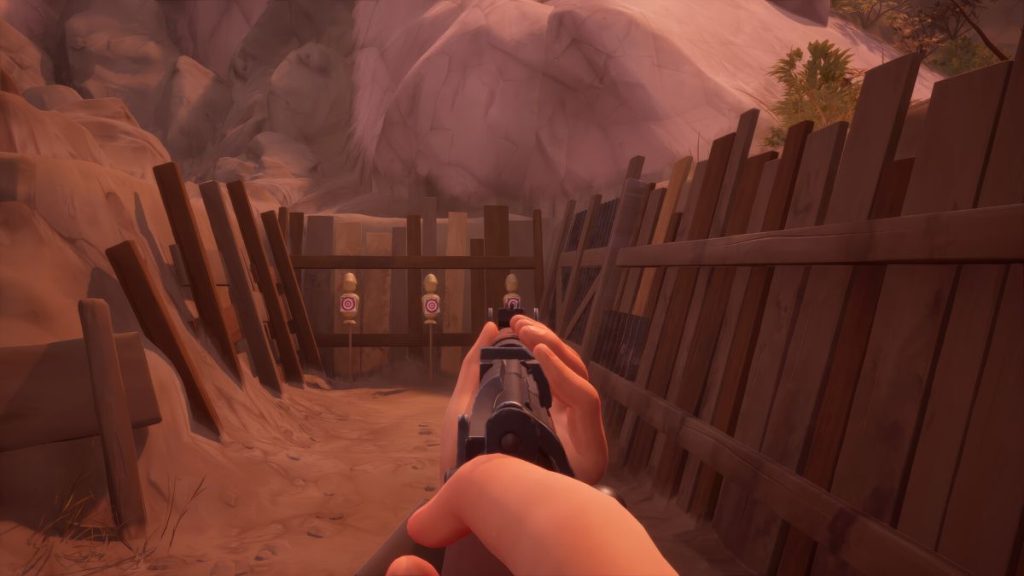
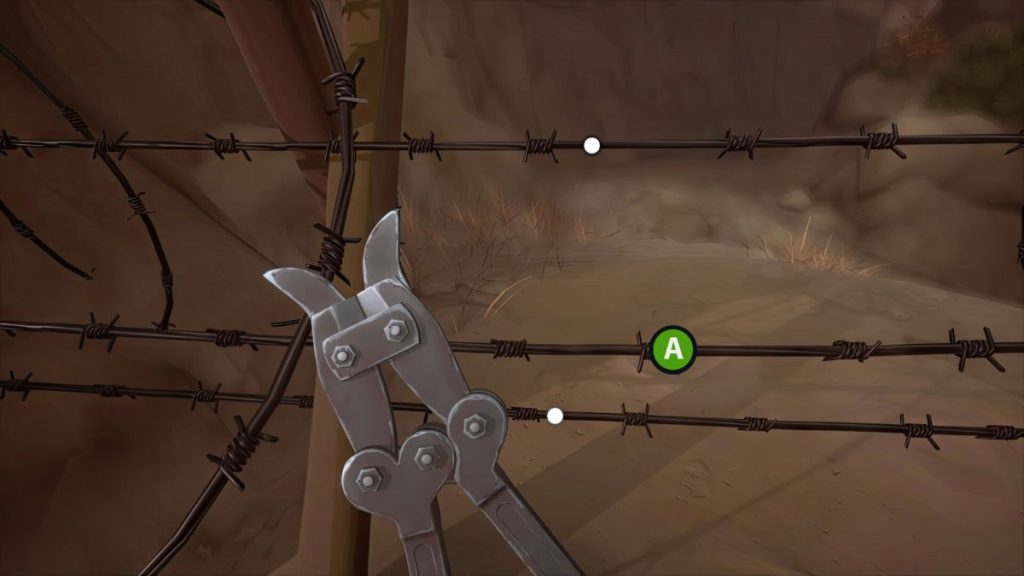
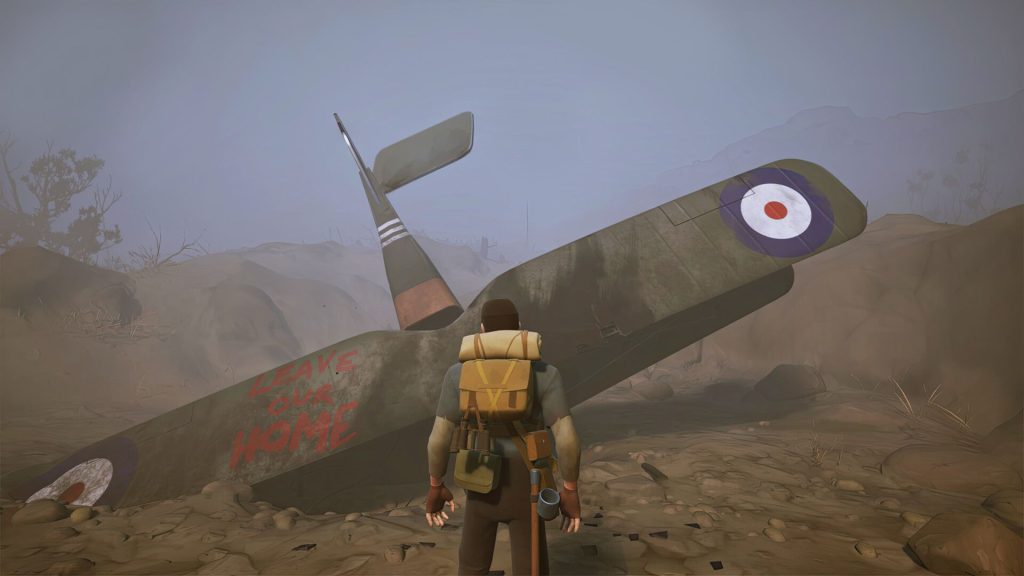
Now, on the gameplay side of the tracks, the interactivity of The Caribou Trail is mostly there to push the narrative forward. As the main character, Fisher, moves through the days and situations at Gallipoli, each scenario presents some sort of interactive moment. For example, trying to make it to a downed plane and check to see if anyone survived requires stealthy movement and the occasional barbed wire cut. The path to the pilot is mostly linear, with the occasional hint at some exploration or ‘wrong direction’ the player could take. Nothing too demanding, as that particular situation is meant to cause distress to the player and put them in the shoes of Fisher and his friend Donnie.
There are also interactive moments when the characters are cooking, though the actual process of cooking is repetitive and boring, which I can only imagine was on purpose. Doing the same thing repeatedly in the trenches, such as cooking, helps turn the experience into listening to fellow soldiers chatter in the game. I think the mundane interactivity at times is intentional, as the only exciting part of this experience is simply following what other characters are saying and feeling, which is all worth it.
Continuing with interactivity, the biggest part of this gameplay is walking around trying to find the next bit of narrative. As the game unfolds and the story begins, Fisher will be sent on tasks. These tasks could be mailing things, talking to the main officer, helping to dig trenches, and/or simply trying to help other soldiers cope with the situation everyone is in. The walking portion of this dominates the interactivity aspect of the game, and sometimes to a frustrating level. There were more than a handful of times when I was walking around trying to find where the heck I was supposed to go. Fisher is provided a map, but it’s tough to read because the game doesn’t show the player where they might be on the map. Of course, that might be an aspect of the situation the devs want players to feel, as everything around the trenches looks the same and can be confusing after a while. It’s very disorienting, especially when the game goes from chapter to chapter and changes the trenches with the progressing situation.
Ultimately, the interactivity is minimal in The Caribou Trail. There is some interactive gameplay, but it’s mainly used for progressing the story. That is what you would expect from a narrative-driven game.
Anyway, The Caribou Trail was meant to give players an experience with almost no interruptions in the process. In that respect, the game does its job. It acts more like a visual novel than it does Call of Duty, which is more than fine with me. I like good stories and fewer action films. So, if you’re going into this game looking for a Battlefield or Call of Duty experience, then you’re looking at the wrong game. It’s narrative-driven with no apologies.
Should a player accept their narrative-driven fate with this game, then they’re going to find themselves very locked into the moments and characters. The narrative connection is worth the linear and somewhat less interactive gameplay. For me, I connected with this game well and felt like the payoff, even if it was short (3-4 hours), was worth my time and attention. It brought a painful perspective about how terrible WW1 was to soldiers, who were more than likely going to die for their countries, and made them more than a footnote in the pages of history.
On that note, let’s wrap up this review.
Conclusion
The Caribou Trail from developers Unreliable Narrators and ManaVoid is an emotional and revealing experience about the horrors of World War I and what soldiers went through. It’s not for the weak of heart, nor is it for those looking for their next first-person shooter fix.