
Overall, Tavern Talk Stories: Dreamwalker weaves together a sprawling story in which your choices actually matter. While that may not be revolutionary on its own, combined with the charm, the autonomy, the genuine representation, it feels earned.
Not unlike its predecessors, Tavern Talk Stories: Dreamwalker is chock full of charm, endlessly endearing, and just plain cozy. Players can enjoy settling in with loveable characters, witty banter, and adorable design elements. I spent several hours lost in Asteria’s Drowsy Dragon and all of the adventurous tales it had to offer. Fans of Coffee Talk, Dungeons & Dragons, or just cozy games in general will be at home within this charming tavern.
Dreamwalker is the kind of game that makes you want to cuddle up with a blanket on a rainy day. It’s cozy in the way that matters – not saccharine, just warm. The hours passed me by as I sat listening to adventurers spin their tales, but found myself engaged throughout, even when I could feel the dialogue-heavy structure working underneath.
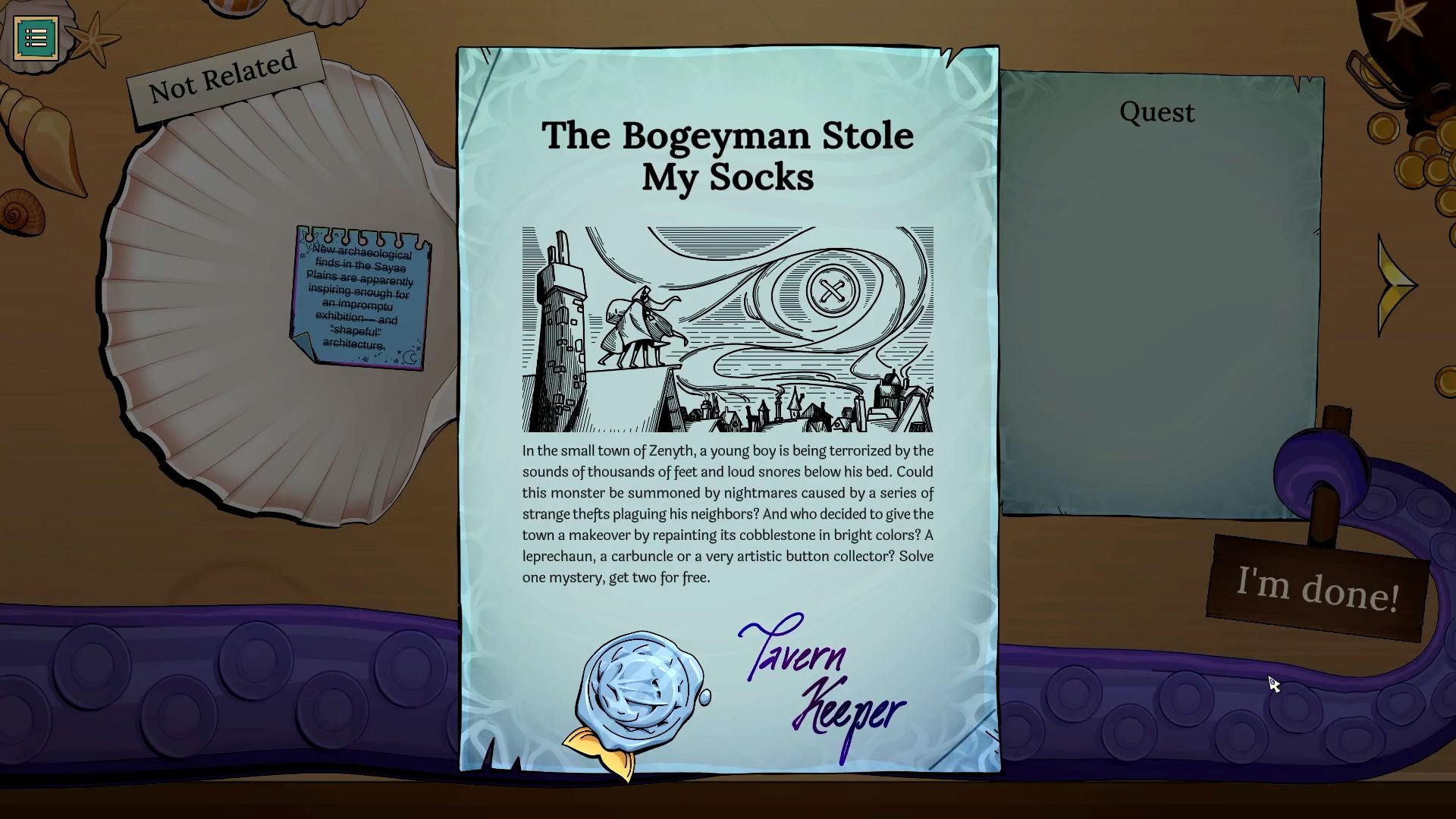
The real magic here is the agency you get in building the world alongside the game. Most story-driven titles let you pick dialogue options and call it player choice, but Dreamwalker actually lets you shape the lore. You’re not just selecting responses; you’re blending in your own story elements, chasing down rumors that branch in different directions depending on how you navigate them.
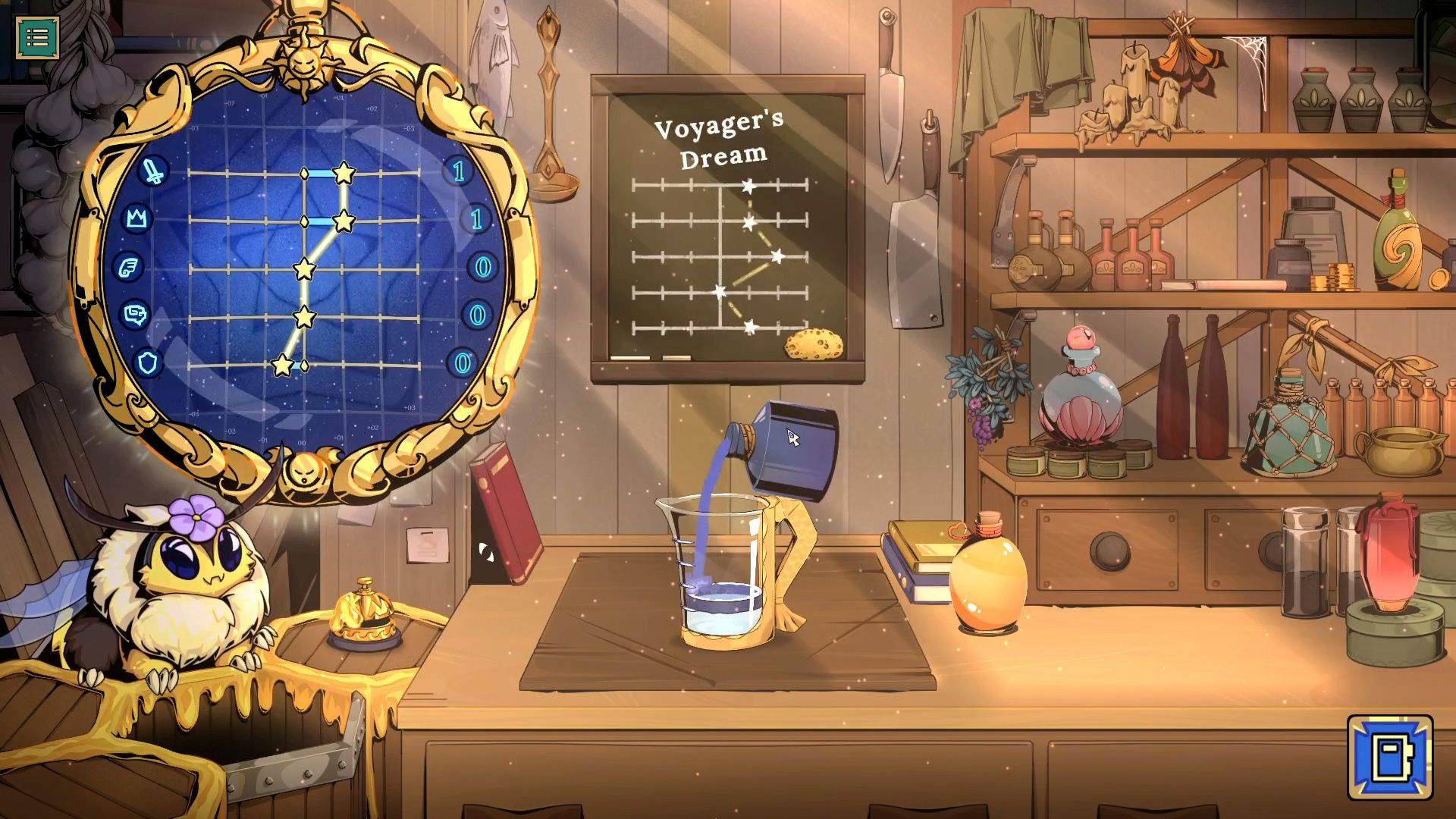
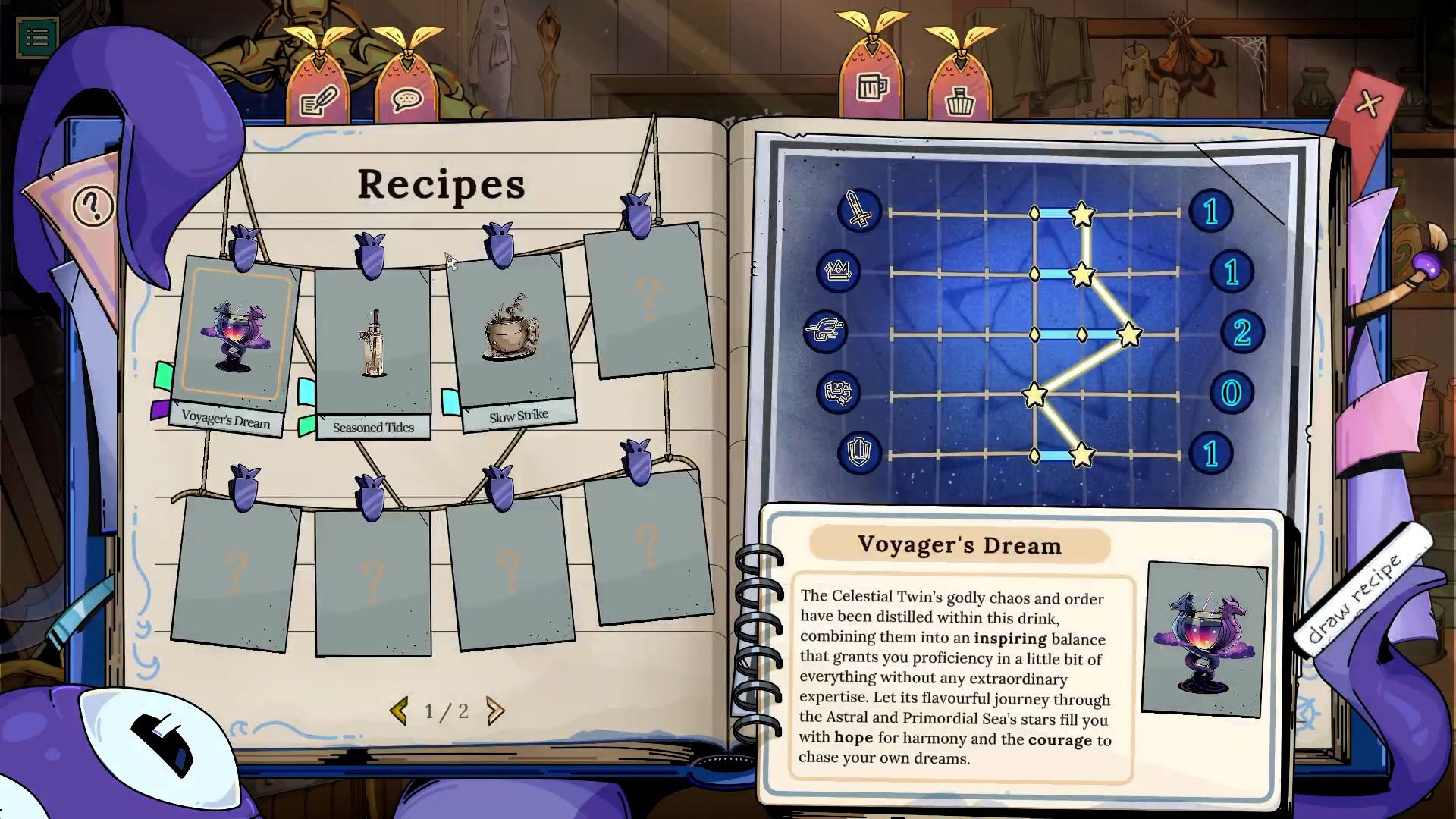
As the Tavernkeep, you aren’t just mixing drinks, you’re crafting your own potions – it’s complex, and the perfect amount of challenge. Patrons often leave their drink decision up to the Tavernkeep, letting the player alter the fate of the adventurers who frequent the bar. In the potion-making mechanic, you aren’t just reading a recipe and adding ingredients, you are blending custom potions that feel like mini puzzles. Each ingredient has different buffs, which add or subtract from the overall stats of the potion. Luckily, your familiar, Captain Beebug, has a penchant for failed potions, because there were a couple of times my potions went sideways. These are the types of elements that make you feel like you’re genuinely collaborating with the game, rather than just watching a story unfold in front of you.
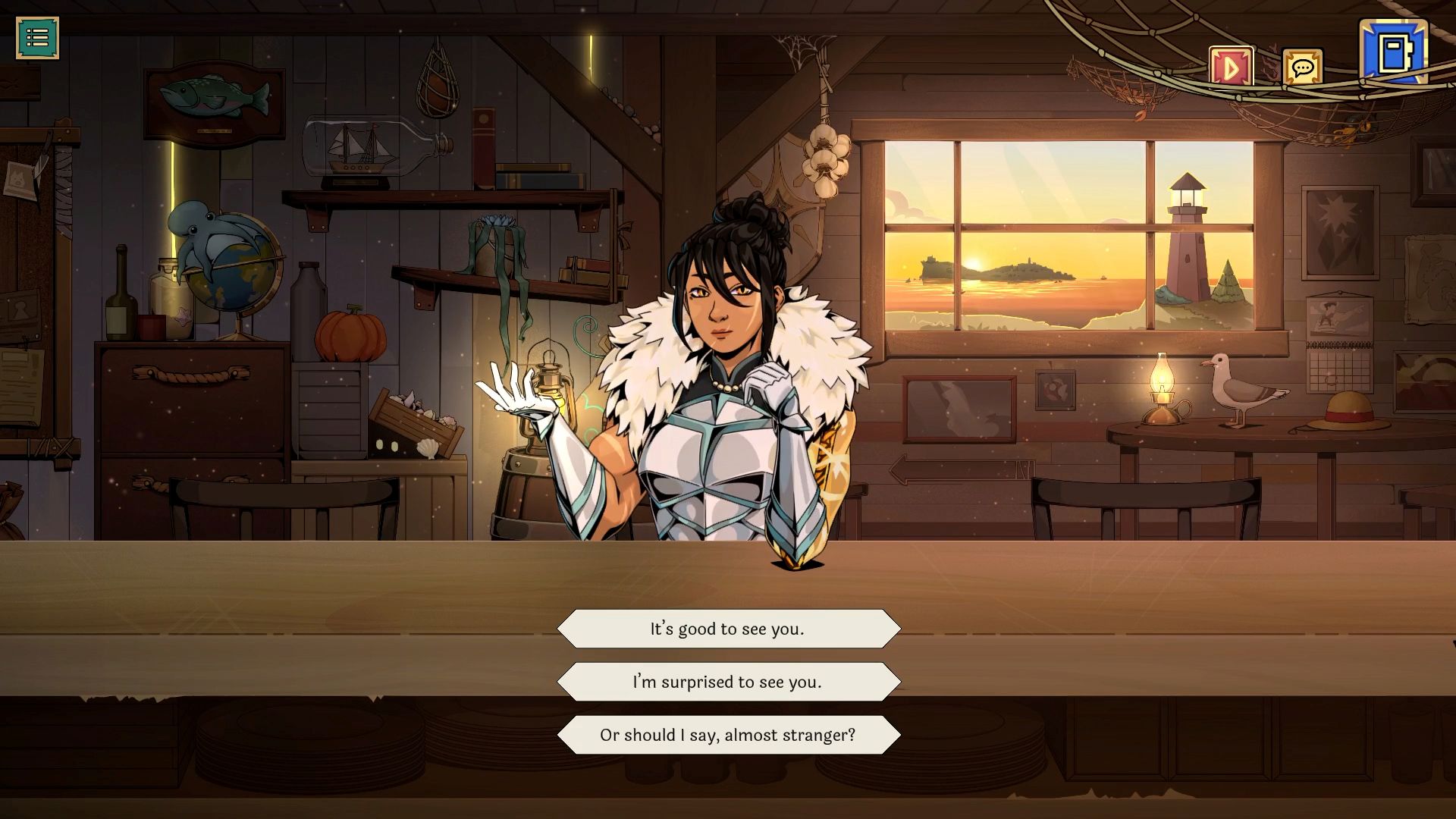
All of these things said, the game does lean heavy on dialogue. If you’re someone who needs constant action or visual spectacle, you might find stretches where Dreamwalker feels repetitive, maybe even a bit slow. But for many, that pace can be part of the appeal. It can give the player a chance to slow down, remove themselves from the grind of daily life, and relax into the story and relationships.
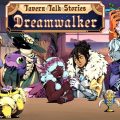
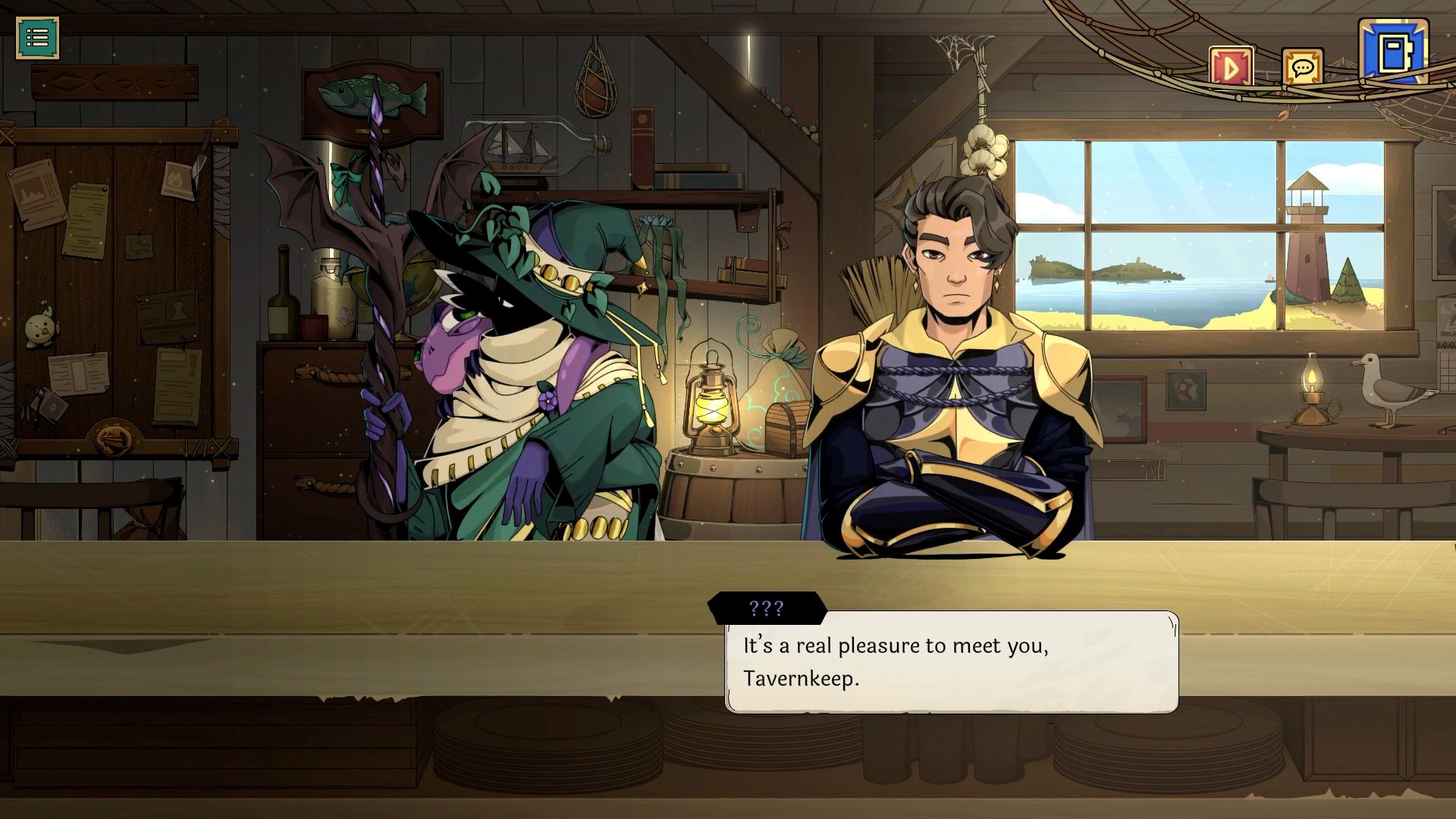
Gentle Troll’s team of artists really outdid themselves with Dreamwalker – some of these characters are too cute. Every little detail matched perfectly with each adventurer’s personality. Different species, genders, styles, and vibes – all illustrated beautifully and interesting in their own right. While the art style has the recognizable features of many fantasy species, each character has a lot going on that is entirely unique, without making them too busy or gauche.
In addition to thoughtfully fleshed out NPCs, you can never go wrong with animal companions, and Dreamwalker has no shortage of furry friends. A draconic familiar, a fluffy bumblebee, a helpful pygmy Octopus – just to name a few. It should be illegal to have no petting mechanic, but thankfully Gentle Troll passed that test, too.
As you navigate the seaside tavern’s endless adventure, the lovely soundtrack should not go without mention. It’s delightful – soft and almost ambient, with just enough personality to keep things alive without ever becoming background noise or wearing thin.
One of the things struck me most was how the game handles LGBTQ+ representation. It never comes off as checking boxes or tokenizing. The characters and relationships feel genuine, woven naturally into the world. And during a time where representation and respect matter deeply, that kind of authenticity carries real weight. This is something I will closely associate with my overall takeaway from the game, and it means a whole lot to me that Gentle Troll got this right.
Overall, Tavern Talk Stories: Dreamwalker weaves together a sprawling story in which your choices actually matter. Depending on how you play, who you befriend, and what rumor-driven quests you build, you’ll see different outcomes and endings. That may not be revolutionary on its own, but combined with everything else – the charm, the autonomy, the genuine representation – it feels earned.