

When it comes to video game history, I’m a big softy, especially when the game is still fun to play.
Now, that said, I cannot believe that Rayman is celebrating its 30th anniversary. It’s nuts how quickly time flies. Well, celebrate its aging-ness, developer Digital Eclipse and Ubisoft have released Rayman – 30th Anniversary Edition. It covers a hefty chunk of the good-spirited hero’s history through the 90s and even touches upon some early concepts of the main character. While it doesn’t go beyond the PlayStation release from the 90s, and even though the same game is featured on various platforms in this collection – repeatedly, it does a good job of delivering slightly different variations of its original release.
So, let’s get stepping with some rocking music and discuss the release of Rayman – 30th Anniversary Edition.
What’s in the virtual box?!
If you’re going to release a collection of the same game, then you have to include some amazing and not-so-amazing versions of the game. Digital Eclipse and Ubisoft deliver in the most honest of ways by bringing the PlayStation, Atari Jaguar, Game Boy Color, Game Boy Advance, and an insane version of the MS-DOS Rayman to one collection. And that last one is where we are going to begin.
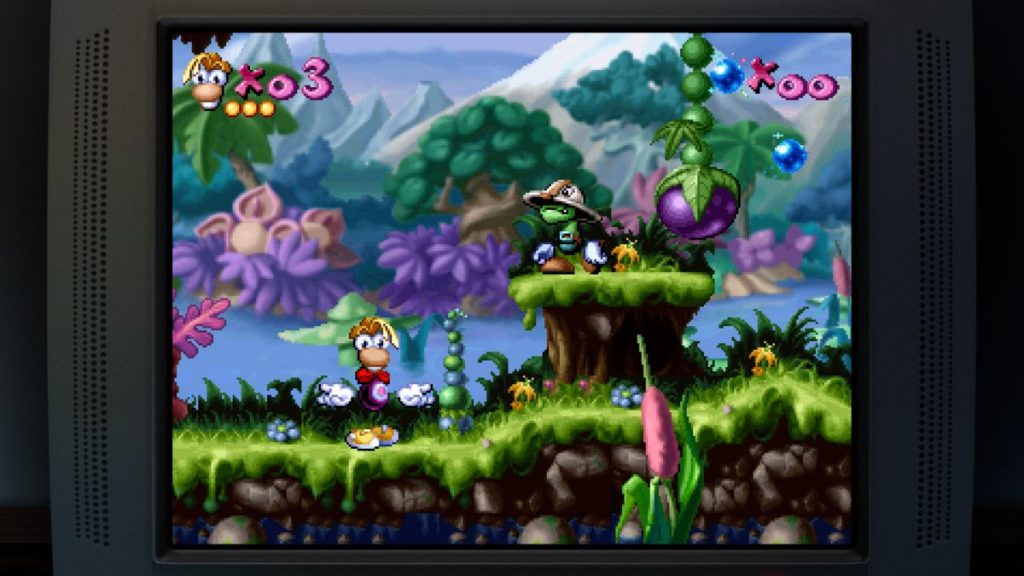
The MS-DOS version of Rayman showcases its 90s computing power, albeit with a dim shadow when compared to modern platformers. This version of the game features one of the prettiest versions of the game, with sharp graphics and color charm, and caps it off with a fantastic Sound Blaster musical output. In short, back in 1995, this was top-tier with the title’s release, and seeing it in action with gorgeous 90s graphics easily echoes that sentiment.
Now, while that is nice and neat on its own, this particular version of the game in this collection also features an additional 24 levels made by the design team, 40 levels created by fans (very KOTOR), and 60 super-difficult levels created by Ubisoft developers. All of these span four years, which means that if you were a PC user back in the day, you certainly got quite the bang for your buck with the title. I think it’s cool that Ubisoft and Digital Eclipse included these add-ons, as it’s a forgotten video game time where developers, and not corporate greed, passionately kept a good idea alive and kicking.
Not far behind this pretty package of insanely difficult yet plentiful MS-DOS Rayman goodies is the Atari Jaguar version of the game. This game, while not as advantageous in its design on CD-ROM, might be the best example of when the Atari Jaguar had a glimmer of hope to survive a three-system market. It’s also prettier than the PlayStation version, which is weird, but true. Of course, I wouldn’t give up my PlayStation controller for that bastard of a Jaguar controller. Heck, I would rather hold a live grenade in my hand than play a Jaquar game for more than five minutes on one of the worst controllers ever made. Literally, it would send pain through your fingers and wrists. Anyway! My point is that this was actually a pleasure to play, and, thankfully, the PS5 controller makes this fun to play.
On the PlayStation side of the tracks, the game has solid delivery in music and audio, but not quite the graphical powerhouse of the Atari Jaguar version. The latter has a solid and colorful set of graphics that pop, and is super quick with its load times (it was born on a cartridge – what else would you expect). The PlayStation version seems like a lower-tier MS-DOS version, which isn’t an insult; rather, it’s a fair comparison. The graphics aren’t as crisp, but they are good, and it does separate itself from the computer version of the game. It’s still good overall, as it brings the same fun game with the same fun design, but not the best in this collection. It plays fine, looks fine, and sounds great. It’s just not the best of the bunch.
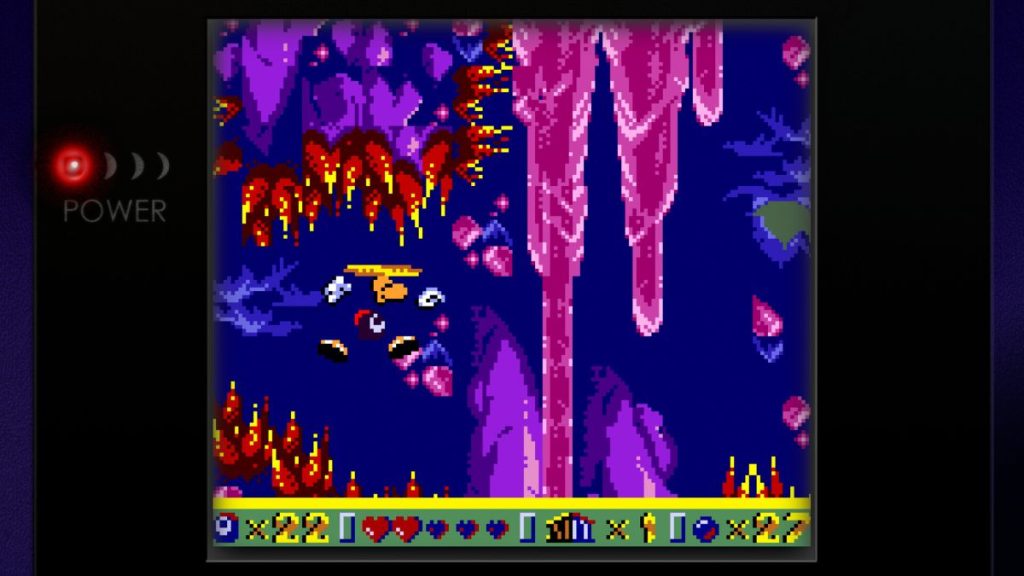
Rounding out the collection, the release also includes two Nintendo Game Boy ports. I was surprised by how well both ports turned out. The Game Boy Color version isn’t the best, but it plays fine. Ubisoft found a good way to make it work and did a great job of bringing good graphics and almost capturing the structure of the 1995 release. The controls, level design, and overall action weren’t bad at all, just different. Not everything translated well to the GBC, as one would expect. Not enough power in the console and too much ask from the game.
As for the Game Boy Advance side of the tracks, that thing was primo. It’s a perfectly translated version of the MS-DOS release from the 90s. It’s colorful, animated well, and features everything you would expect from the original release. Sadly, I never caught this version back in 2001, but I wish I had. It’s just that good and works. Its inclusion with this collection is well-earned, as it represents one of the better parts of this release.
To cap this collection off, it also includes the SNES CD-ROM prototype of Rayman from 1992. While there isn’t any music, and it’s very raw with its controls and level design, it’s still a wonderful treat to experience. I’m not sure I have ever seen a prototype game release in a game collection. It’s quite cool, and I wish more collections did this. It’s history, even if it didn’t make it to a never-released system.
More goodies
While playing the same game repeatedly on different platforms is neat, though repetitive, the game also includes enhancements on certain versions that allow you to toggle options. In other words, it allows you to cheat, which I’m all for. Now, not all the versions included in this release allow for such a dastardly avenue to take; the ones that do, including the MS-DOS and PlayStation versions, bring such options as upping HP, allowing for infinite lives and continues, and unlocking all abilities for Rayman. Having that at your disposal makes the experience far more fun.
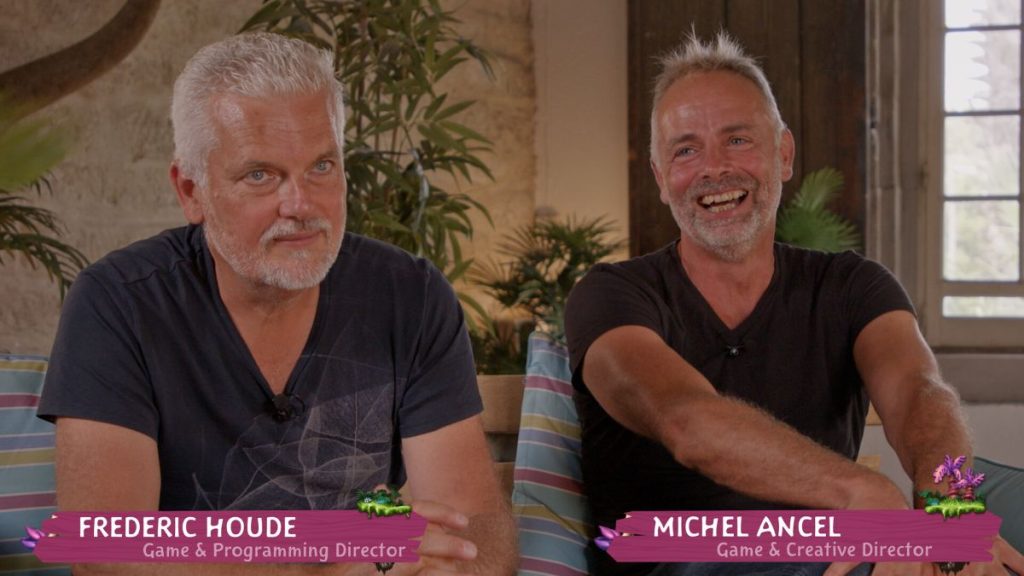
To complete the collection, Digital Eclipse took a page out of Atari 50’s design and included a history option for Rayman. It includes interviews, one-sheeters, games that led the developers to Rayman, and facts about the game as Ubisoft got involved in the equation. If you’re a video game history buff, then this was certainly made for you. I am a big history nerd, and I enjoyed how this was created and delivered.
On that sweet note, let’s wrap up this review.
Conclusion
Rayman – 30th Anniversary Edition, from developer Digital Eclipse and publisher Ubisoft, shows off the original game on various platforms. While there is no doubt some repetitiveness with seeing the same game repeatedly on various systems, the collection still brings some good video game history and some fantastic gameplay.