


Sometimes imitation is the best compliment, even if that imitation happens to be a combination of several pieces of art.
Rainbow Gate, from developer 7EVIL Studio, brings a familiar horror structure and set of gameplay elements with a sprinkle of its own design. While it does follow the setup and pattern of Five Nights at Freddy’s, it also throws in a hefty dose of jump scares, quick time events, and running-as-fast-as-you-can through a series of puzzles to make it all seem new. In other words, it tips its hat at what players have seen within the survival horror genre while also sprinkling in a flavor of its own. And you know what? It does it well.
So, let’s dive into the wonders and horrors of Rainbow Gate and talk about what to expect from a game that may not go beyond its bounds, but does a good job of bringing some decent horror.
Storyline
The game puts the player in the role of a detective who is sent into an abandoned and shut-down toy/amusement company, Rainbow Gate. The detective has been tasked with uncovering the truth behind a series of tragedies that led to the company’s closure and unraveling the mystery of why it all happened. Of course, finding the truth might be harder, but having to survive the truth turns out to be the biggest obstacle.
The narrative setup for Rainbow Gate is on par with a B-movie horror experience. It knows exactly what it has and what it is, and it doesn’t go beyond that boundary. In a way, I can respect that restraint, as the game’s story isn’t trying to redefine the genre it exists in; rather, the game is just trying to thrive within it without bringing much new to the narrative table. And honestly speaking, why would you want to go beyond that B-movie feel? It works for Five Nights at Freddy’s, which follows a basic story structure from every 80s classic horror movie – unknowingly getting in hot water and surviving it, and it’s a fun experience. The narrative for Rainbow Gate is a fun experience.
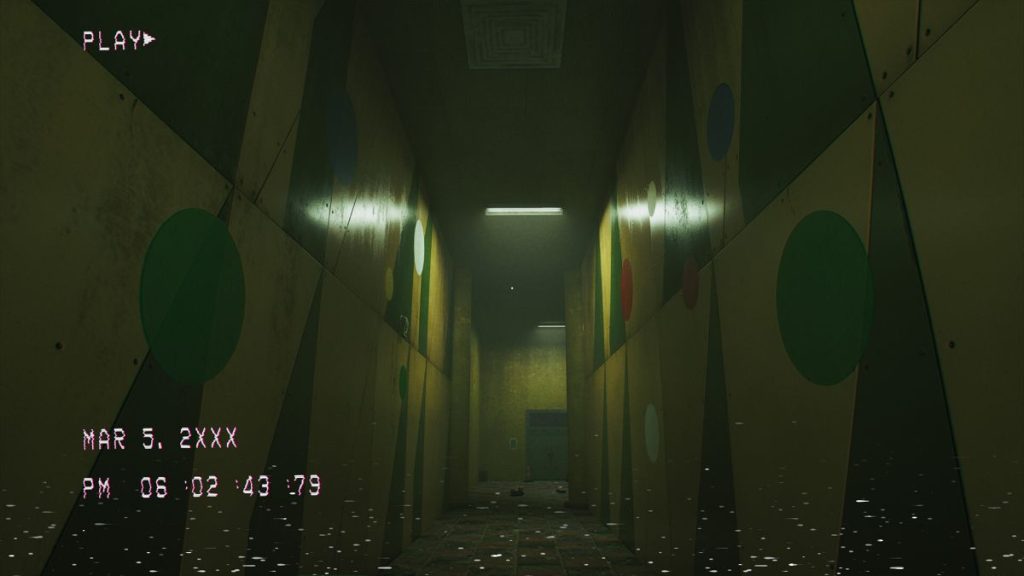
Now, if you can accept the fact that it brings this B-movie vibe and takes you through the old familiar, then this story is going to be a hoot to play through. It scares at the right time, creates a fair amount of intensity, and delivers on its grotesqueness. I would play this game on a Saturday night when I want a good scare, knowing that I am not getting a masterpiece of storytelling with it. It is a horror game, and it has its narrative limitations. And that is more than okay.
In short, it brings the horror and campiness, which is all it needs to bring.
Hodgepodge of solve, run, and dodge
Going back to the opening of this review, the game borrows a lot of elements from previous games of its type. On the story side, it brings a hefty dose of Five Nights at Freddy’s, where the environment is friendly and fun for children, but underneath all that surface innocence lies a hidden horror that is unsettling as it is scary to uncover.
That FNAF story structure of ‘something bad happened here to good kids’ sets the rest of the gameplay in motion, as puzzles and QTEs rely on its creepiness to drive the experience. For example, right out of the gate, players are thrown into a survival scenario when they have to outrun a large wolf animatronic that is chasing after them in a series of rooms where only one path leads to safety. The wolf animatronic could be a character straight from a FNAF game, as it sounds and runs like a human inside of a costume, but its tone is something unearthly and unsettling. If players have ever played FNAF, then this similarity will be apparent almost immediately.
Now, just because FNAF design is present in that moment doesn’t mean that something different isn’t brought into its equation. Rainbow Gate doesn’t hesitate to throw something new into the old mix, kind of like putting M&Ms into a cookie recipe rather than chocolate chips – it tastes better, even though it’s accomplishing the same goal of delivering chocolate to the recipient. And the experience feels just different enough to feel like it’s a new recipe. As the player is escaping from death in the above wolf scenario, the game doesn’t ask them to simply hide somewhere until the danger passes.
Rainbow Gate throws in a small puzzle that the player must piece together as they’re running, which is led by statues of two bunnies pointing in opposite directions. The game tells the player that one bunny will lie, while one will tell the truth. As the player runs through doorways towards safety, they encounter creepy-ass bunnies pointing in different directions, and the player must decipher on the fly which bunny to believe. And there are details on the rabbits that give hints on how this is done.
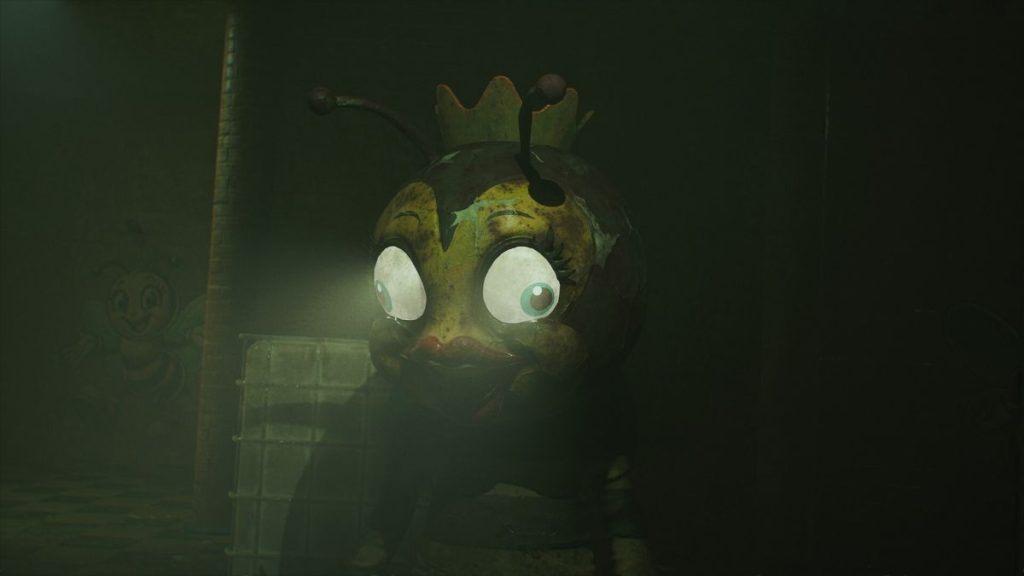
Anyway, if the player chooses the wrong direction, they end up in a room with no escape. If they choose the correct direction, they eventually end up in a rest stop that ups the ante of the situation with harder cues of bunny belief. That rest stop works as a way to allow the player to catch their breath for the next round of getting chased by the wolf. The bunnies become harder to read with each new round, and the player must be on high alert for the differences between rabbits. This type of moment is intense and brings a new flavor to an old concept, especially by giving full control to the player so that they can run as fast as they can. Even though it is brief and at times unfair, the moment is cool and puts you in that toy factory running for your life.
In that small amount of puzzling driven by deception and truth, it adds some good M&Ms to a FNAF-like situation. Quite frankly, that’s enough to enjoy Rainbow Gate and to expect improvements within old concepts. The game delivers in that way throughout the experience. It’s not going to bring anything groundbreaking to its genre, but it’s going to make sure that players are going to walk away from it feeling like it has done enough to deliver good survival horror. Of course, FNAF isn’t the only inspiration for this game.
Rainbow Gate also brings a nice amount of Resident Evil structure into its fold as well. Players will have puzzles that require some ‘find and locate’ logic to them that pushes the progression of the story. Finding an item might mean it belongs somewhere that unlocks the next opening to the next ‘thing’ in the story. Resident Evil was/is a master at this object location and puzzle-solving. That gameplay technique lies between those moments of panic, which helps bring the player temporarily out of a ‘scared shitless’ state of mind from the previously mentioned moments. It’s a counterbalance to the QTE and chase gameplay elements, and it works well within Rainbow Gate. These moments not only allow the player to settle down, but also help change the style of gameplay into more of a mystery scenario that feeds into the detective storyline.
It’s circular in its design and focused on its intention of adding to the overall atmosphere and mood of the gameplay, while expanding the world and allowing the player to discover bits and pieces to make it more than a two-dimensional experience. Literally, this type of gameplay element is when the player is asked to figure out how to open the door to get to the next moment or to explore the area and find the object that fits in the puzzle presented, so the ambience and story can grow, working brilliantly within Rainbow Gate.
Again, it’s all familiar but slightly improved with its methods. I am telling you, it’s M&Ms.
All the above gameplay elements combined, Rainbow Gate ends up being a worthwhile gameplay experience that doesn’t take everything beyond what it promises to be. For a game that is currently $13.99, that’s an easily sold experience. Now, to make this more of a value, the presentation of it makes that price point feel like a steal of a deal.
Presentation
While quick time events, puzzles, and uncovering an icky mystery might be enough to make this game worth a go, the amount of graphical and narrative presentation that went into the product is impressive. The game really thrives in this category.
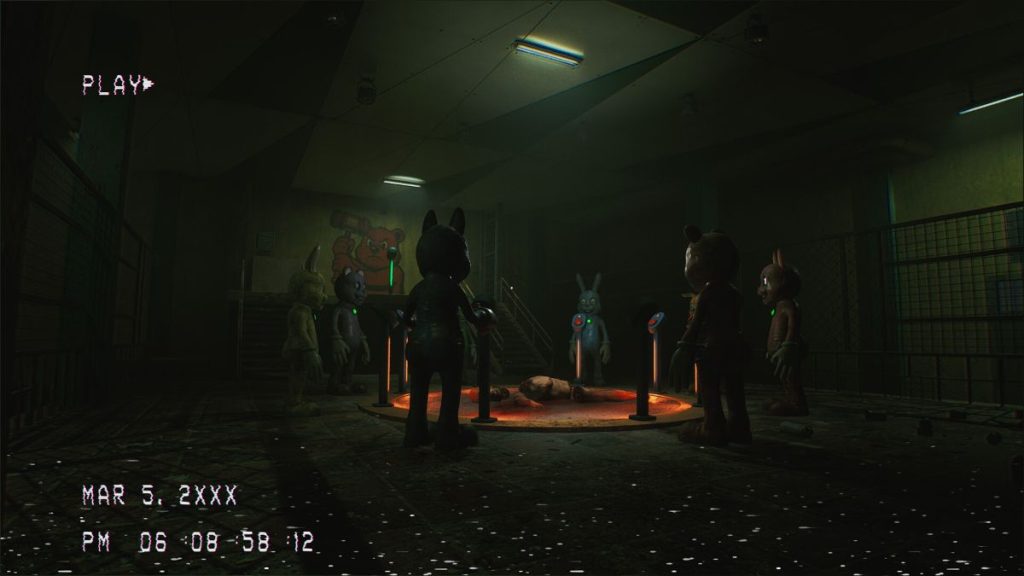
Rainbow Gate’s visuals are outstanding. The moment the player steps into the toy factory and amusement park, they will feel unsettled and feel a large sense of visual horror. The childlike characters, the abrupt contrast in lighting scenarios with the environment and characters, and the overall sound that engulfs the character help to set the game’s tone.
Visually, the game does everything right to emphasize that the player is in a horror movie. It makes the environment constantly contrast itself with clean and dirty textures, sudden sounds that bring horrors to life, and a fair amount of good and uncertain lighting that ensures that nothing feels or looks safe about the situation the detective is in. All of this is masterfully woven on an Unreal Engine 5 backbone.
Without good presentation value, nothing works within the gameplay, as horror games require a fair amount of unsettling design in visuals and sound to bring it all together. Rainbow Gate nails it in this category. It sells the horror well with both visuals and sound.
Anyway, on that sweet note, let’s wrap up this review.
Conclusion
Rainbow Gate is a good survival horror adventure that combines all the right elements of different horror games from the past. It brings a familiar story while sporting familiar gameplay elements that players might have seen before, but it is nonetheless fun to revisit and experience.