

To be fully transparent, I am not typically the reviewer for NASCAR games. That honor usually goes to our NASCAR guru, Ben Branscum. Ben was tied up for this year’s release, so I stepped in to get it done. I will try to do it justice. I played a lot of Mario Kart in my day, so I feel qualified.
NASCAR 26 from developer iRacing.com Motorsport Simulations hit last month. It came with plenty of modes, challenges, and the chance to get online and compete against other enthusiasts (who make great Instagram videos, btw). From a newbie’s perspective, this was a lot more fun than I expected. Let’s dig right into it.
How does it handle?
Having played many racing series over the years, including Gran Turismo and F1, I found it eye-opening how deep the physics, handling, and even the details can go. The F1 series prides itself on minute design details, letting gamers get as close as possible to a real F1 experience. It was made for hardcore F1 fans who live and breathe racing.
By contrast, the Gran Turismo series offers a thin layer of car customization, but nowhere near F1’s depth. That series is more like a museum that lets you touch the art, but not really alter it. That’s not surprising, given the series’s developers, Polyphony Digital, who treat it and its vehicles like fine wine to enjoy, not gulp.
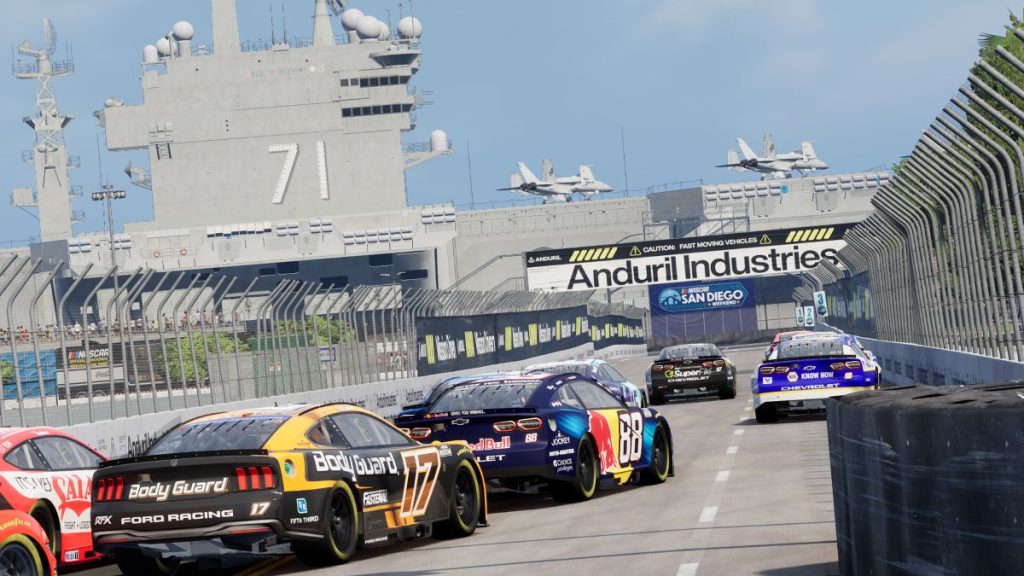
Now, the NASCAR series sits somewhere between these games. NASCAR 26 offers a somewhat realistic NASCAR experience, though it doesn’t go as deep as F1 or as light as Gran Turismo. It’s more flexible in its customization options, like upgrading parts and managing repairs, and it does a good job of keeping the game interesting while staying accessible to new gamers. In other words, the game is complicated enough to be cognitively challenging, but easy enough to enjoy without stressing about frame inches, tire types, and everything else that could make racing overly complicated. I really enjoy that racing series area because I want to have fun, but occasionally I want to dabble in some adjustments; I just don’t want them to weigh me down. New gamers to the series will appreciate that design flexibility.
That flexibility carries over to how cars and tracks handle during races. Depending on the difficulty you choose, the game adds some solid physics to the racing mix. This means going too fast around corners will make the car drift a bit. It also means that bumping another car in a specific spot will push the vehicle in a particular direction. While not as accurate or as sensitive as an F1 game, NASCAR 26 does enough to make the gamer feel like they’re in a race, but it doesn’t push it so far that it makes them nervous. The vehicles are easy to handle during races, but the physics add challenges that keep the driver from getting bored. Again, it’s an in-between spot that works perfectly for this game and makes it far more welcoming.
Of course, the physics of the experience depends on what players use to drive to driving with. For me, I am not as cool as Ben Branscum, so I don’t have a steering wheel at my disposal. Ben has the whole setup, and it’s cool (and I am kind of jealous). Anyway, the controller isn’t the best way to drive, though it works more than it doesn’t. The thumbsticks are super sensitive for turns and tire control, and not ideal for tapping another driver’s vehicle (it’s easy to overcompensate and drive overly defensively). NASCAR 26 is best suited to a wheel, pedals, and shift stick. It’s easier to control, and it offers a bit more of the NASCAR experience. It’s definitely the best choice when you’re debating which controller to get for this game.
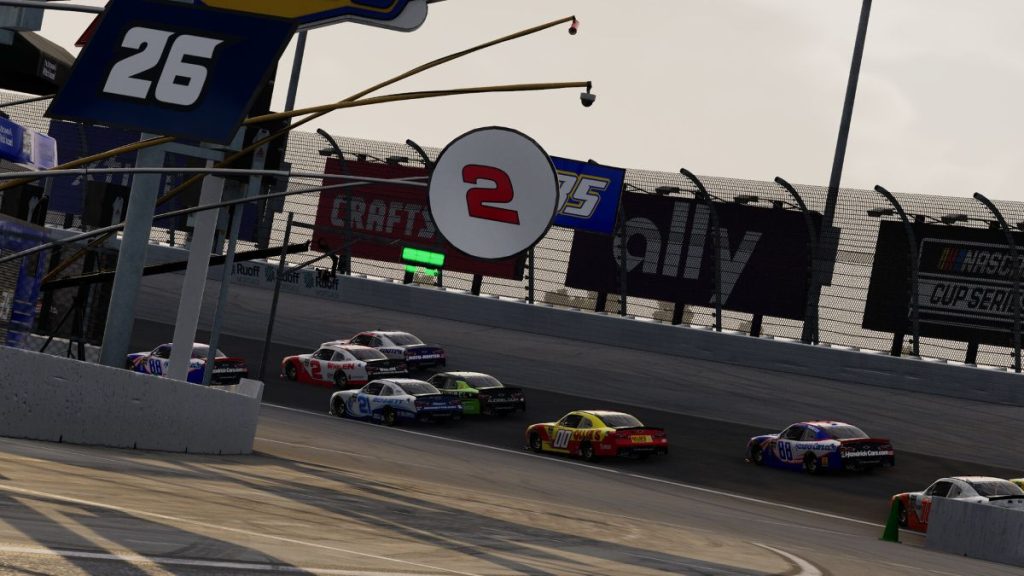
As for the tracks, there are plenty to hone your skills. Players can race on tracks like Daytona, Talladega, Darlington, Bristol, and even Homestead-Miami. The game offers plenty of tracks, and each one brings its own twists, turns, and physics. I was incredibly impressed by the varying physics on each track, especially when moving from large to short tracks. The track designs and how they feel when players race make for a varied experience (in a good way). Anyway, there are a shit ton of tracks to experience, and each one really feels solid.
Overall, the tracks and car design are spot on for what I would expect from a NASCAR experience. I like how the cars feel, how accurately they turn and move, and the physics built behind them. I also appreciate the track design and the varying degrees of difference and difficulty for each one. These two things are a perfect foundation for the rest of the game.
And now, the rest of the game.
The goods
NASCAR 26 has several modes of play. The first, and most fun, mode against AI is Career mode. This mode is just like any other career mode in any other sports game. Players make a driver, a team, a car, and go racing. Career mode offers tiered progression through different methods. For example, the more successful you are, the more sponsors come your way as you build your career. On top of that, the mode lets players build out a racing team, PR team, communications team, and everything in between. The mode also offers car and staff upgrades, plus a solid general direction for building a racing career.
I spent the most time in Career mode because I wanted to see how far I could push things and what success my driver would earn as their career progressed. I wasn’t disappointed by NASCAR 26’s progression system, and I think the devs kept it interesting and engaging through upgrades, branching dialogue, and putting decision-making squarely on the gamer. It kept me engaged and gave me solid player agency, but it didn’t ask so much that it gummed up the racing side of the career mode. Like everything else about this game, this was a good middle-ground design.
Beyond Career mode, the game has a super cool, extensive Championship Series mode that lets players choose from the Cup Series, O’Reilly Auto Parts Series, Craftsman Trucks Series, and the Menards Series. Each series lets players run a full series with all the tracks and races, or do shorter stints if they don’t want to spend days playing. The flexibility with the series offerings is impressive and should keep racers occupied for a while.
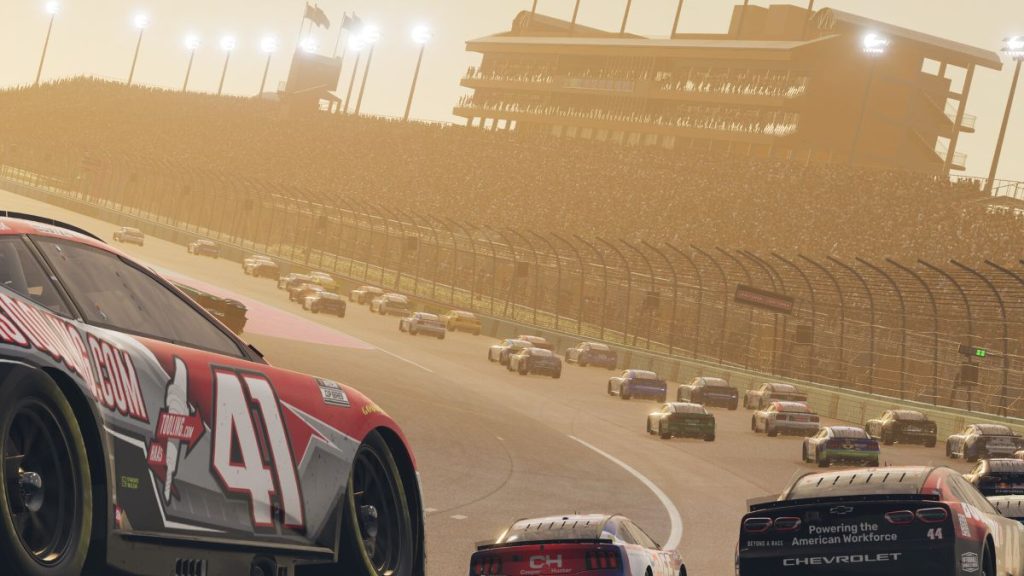
One of the cooler modes that is featured in NASCAR 26 is Peak Performance. While veterans of the series may not get much out of it, this mode seems designed to help new drivers get into the motions of a NASCAR gaming experience. The mode takes players through different scenarios and teaches track-specific driving techniques. For example, the first big one is learning how to take corners, when to let off the gas, and when to put the pedal to the metal. Getting the timing right is vital not only for entertainment but also for success and longevity. This mode seems built to help new gamers reach the same level as veterans, or close to it, which benefits everyone. No one wants to end up in a crash-out Instagram video because of bad driving techniques. Well, that’s not true. Some people do. Still, it is a cool way to sharpen your skills on the track.
Beyond those main modes, players have The Chase, a more direct version of the Championship series mode, and the online stuff (you’ll get that iRacing subscription before you know it). Overall, the modes are darn good and well executed for their intended design. NASCAR 26 has some good beef to its bones and isn’t just for hardcore racing fans, which may make me compete with Ben next year for the chance to review the next NASCAR game.
Kidding, Ben. Much love to you, man.
On that sweet note, let’s wrap up this review.
Conclusion
NASCAR 26 from developer iRacing.com Motorsport Simulations is fun, with enough modes and detail to keep it engaging, and it seems welcoming to new racers through several modes. Graphically, it’s not the most gorgeous racing game I have seen, but it makes up for what it lacks in graphics with strong gameplay.