

Hey! The 90s have returned! This time, we are very fortunate to have what could only be considered one of the best sets of role-playing games of all with Lunar: Silver Star Story Complete and Lunar 2: Eternal Blue Complete.
The 90s were so good to us. *SIGH*
Anyway, a couple of weeks back, Lunar Remastered Collection from developers ASHIBI Co., Ltd and GAME ARTS made it to PC and console. The classic duo of Lunar titles brings the magic and majesty of a well-crafted RPG system paired with an amazing set of stories. While the remastering portion of the game is light, what was improved mattered the most with both story and experience.
So, let’s get our plaid shirts on, wipe the dust off our Sega CDs, and get going on this pair of classic RPGs.
Stories that engage and mesmerize
One of the strongest parts of the Lunar series is how good the stories were. While it can be argued that the first was dominant over the second in this department, I firmly believe each brought its narrative worth journeying through.
Lunar: Silver Star Story
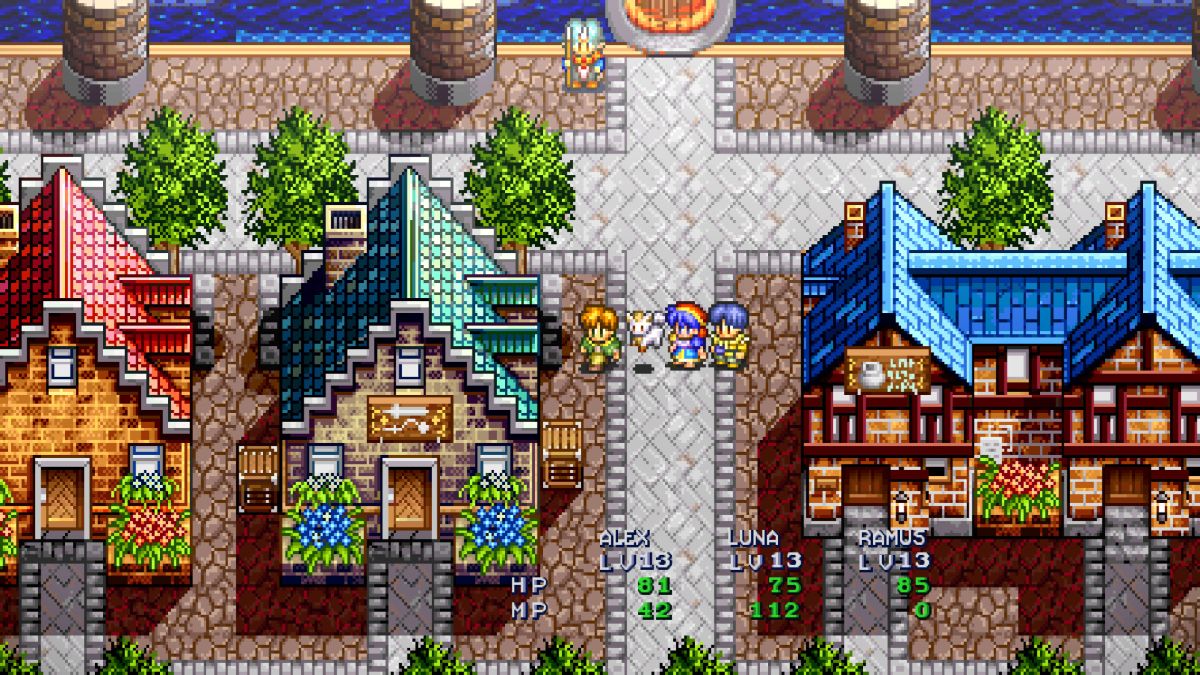
The first game stars a boy named Alex, who is trying to become the next Dragonmaster. Partnered with a purring companion and other folks, he goes on a quest to prove that he is worthy of the moniker he believes has been bestowed upon him, while also helping to save the world from the Magic Emperor.
The innocence of this game and its coming-of-age narrative help to grow Alex and his peers as the game progresses. I like the journey and the slow character development that happens in the first game. I appreciate everything that was laid out from beginning to end. This game is quite the story and gives good reason why it is memorable. You are sure to connect with Alex and his perceived plight, and connect with his companions who just want to save their world from peril. Remember, don’t get too attached to some folks. That’s a grave mistake of early 90s gaming (see Phantasy Star III for details).
It’s truly one good story.
Lunar 2: Eternal Blue
The tonal shift of this story compared to the first is evident, which might be the reason people didn’t connect to it as well. While the first story was focused on building up and out of the main character, this one appears to have a more spread-out emphasis between Hiro, our main character and treasure hunter, and a strange girl named Lucia, who is more than meets the eye. The pair, as well as some other characters, must band together to prevent the destruction of their world from the likes of the “Destroyer of Lunar”, as well as other enemies that act as obstacles.
This story is such a different shift from the first, and I think focusing on a bigger problem, especially when a destroyer of worlds is involved, which affects everyone, even the NPCs, makes the entire narrative seem far more urgent. Call me crazy, but I kind of like the second story better than the first and feel like the world is bigger because there is more at stake.
Now, all this said, I think it’s a blessing that both games are included in one collection. I know that sounds kind of fan-boyish, but these stories were put together, paced, and acted very well. In a world full of either too much acting and cutscenes (Final Fantasy XVI) or not enough, the Lunar stories bring the best of both worlds in gameplay and make you care about the story. These are incredibly well-balanced and well-told games.
RPGs -simple strategy and execution
One of the best parts of revisiting both titles was remembering the simplicity of the games’ setup and how they worked back in the day. While I appreciate the growth and progression pushing forward in a modern RPG experience, there was something pure and easy about not having a bunch of convoluted options that complicate the process of offense and defense. For example, I enjoy the hell out of Final Fantasy XVI. It’s an amazing game that features easy controls, flashy visuals, and a sh*t ton of dialogue. But the number of options of attack is up there, and the different ways you can change categories and quickly deal other blows are high. Lots of choices, none of them wrong, but lots, nonetheless.
With the Lunar Remastered Collection, each game has simple choices in a turn-based environment that aren’t over-complicated with categories, powers, or quickly switching back and forth. Instead of being complicated, the game features simple choices of attack, magic, defend, or run. Choosing one commits you to the process until the next round, which you probably already knew. I might be cheesing out a bit, but it’s refreshing falling back into simple turn-based RPG gameplay. Nothing felt overwhelming or complicated. It was easy-peasy, which allowed me to concentrate on strategy and grind a bit for progression. I don’t mind the flash or glamour of new RPGs, as they’re pretty as hell when executed, but there is something quite beautiful about ease of use and shifting your worries to other gameplay factors.
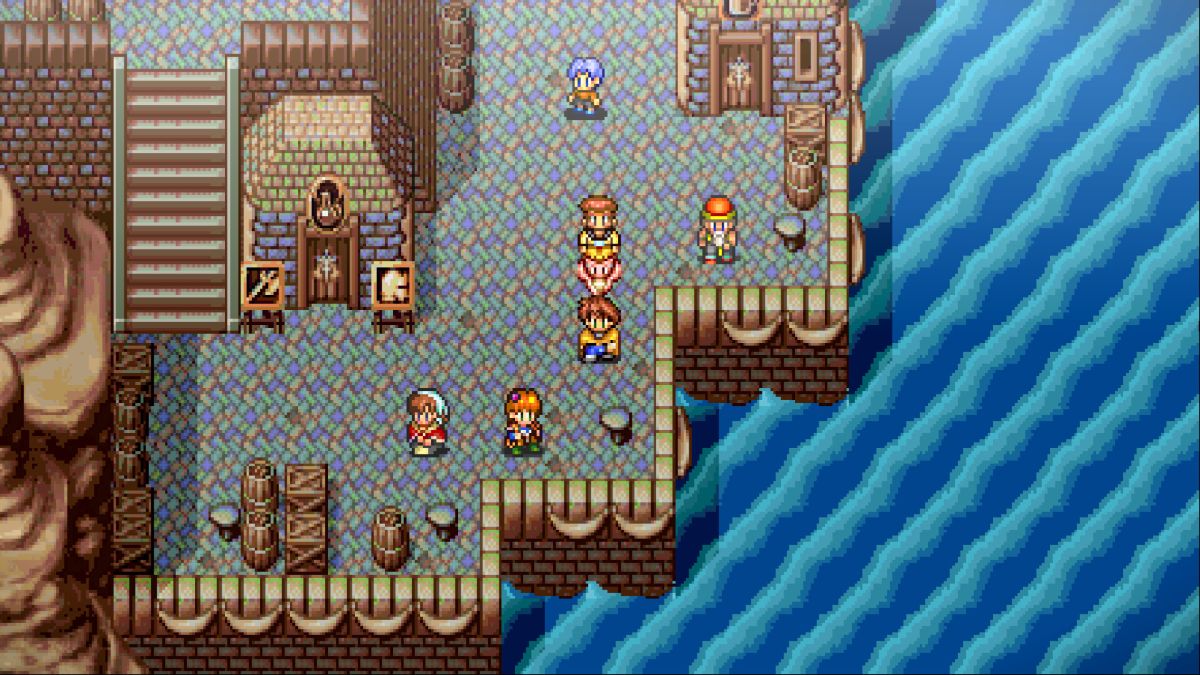
That’s my old man, rant, folks! I wish things were simpler! I want to go back to the 90s, if only briefly, to enjoy the masterfully crafted Lunar games and all turn-based RPGs of that time.
Okay, coming back from the past now, as you progress through either game, everything around you progresses as well. When you grind your character and push forward with the story, you also have more powerful weapons at your disposal. Weapons cost money, money is earned by wiping out dungeons of monsters, and wiping out dungeons of monsters also means leveling up. All these elements work together and create a beautifully balanced bit of gameplay that you will always walk away from thinking you’ve done work, and it has paid off. That’s something that is lost in RPG games today, it’s also what’s nice about old-school turn-based RPGs of yesteryear. The Lunar Remastered Collection is a firm reminder of how great RPGs were constructed and how much thought about balance, risk, and reward was put into the gameplay creation. Nothing feels out of reach, but everything requires a bit of grind. In the end, it’s all worth the effort.
Monstrous and good
Beyond just fighting and progressing, the game also features some fun monsters that are difficult, as they are creative. Now, taking a page from the Final Fantasy series, you get whack-a-doodle dandies that come in all sizes and flavors. Each one has a creative attack, while showing up at the right time as you start leveling. Some of my early favorites in both games were a drama mask, a giant mud blob, and a gorgeous green dragon. Simple, cool, and fun to look at while taking them down.
The enemies also act as a yardstick for progression. As you get tougher and stronger, the enemies start matching that power. Much like everything else in these games, there is a great balance and healthy gameplay difficulty arc. The game and its enemies will challenge you as you push through both titles, and you’ll be ready for the fight each time, even when you lose.
GUI on the inside, same flavor, but different shape
As gameplay goes, the transition from the first Lunar title to the second is seamless. The GUI structure changed slightly, as you go from a square structure of options to a horizontal Tetris line of options. The defense and offense GUI are still the same between the titles, with the only difference being the updated choices and new weapons.
In a world that likes to take good concepts and destroy them, so they don’t look the same in the next game, it was refreshing to see nearly identical gameplay GUI structures and familiar execution. Much like the actual defense and offense execution, there isn’t much of a difference between game GUIs. You still concentrate more on the adventure, story, and how to best take down baddies in a fight.
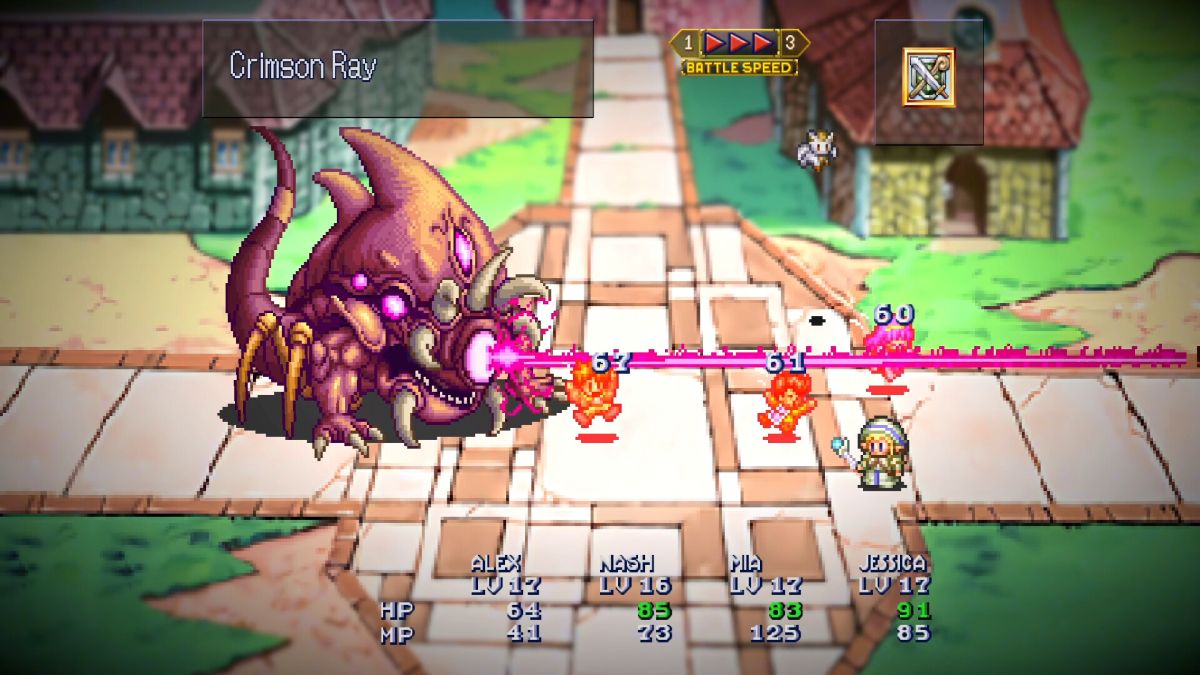
Good stuff for both adventures.
Overall, I did enjoy going back to the old-school turn-based RPG structure. Again, it was simple, pure, and the bells and whistles sprouted from the story and characters, rather than a fancy fighting system. Sometimes it’s just nice to revisit good ideas and appreciate the core construction of what turn-based games were built from.
Remastering
As for the remastering part of this collection, there are only a few elements that seem cleaned up from the original. The voice-overs for the cutscenes and dialogue were certainly cleaned, scrubbed, and perfected. In comparison to their 90s counterparts that featured background noise and a little bit of hissing, the new remastered version of the game eliminates all those imperfections.
Also cleaned up was the animation for the cutscenes. They fit a 1920×1080 ratio, cleaned up, de-pixelated from the compression that they went through to fit on a CD in the 90s, and brought back to life with more beautiful colors that stand out. The clean-up and remastering job of both games in the animation department was noticeable and considerable.
On the gameplay side of the equation, as well as other odds/ends, you can speed up fighting in the GUI with both games, which helps avoid any sort of lull the old-school gameplay structure may cause. You also get some more defined characters and more gorgeous maps that are far less pixelated. The remastered game also features some aperture blur, which adds some personality, kind of like the recent Dragon Quest re-release did, but does nothing except shine up the looks of the game.
Don’t get me wrong, I think the game works better and is more modernized with the clean-ups and GUI adjustments (and especially that speed option), but both games don’t go too far from their originals. Ultimately, I’m fine with those minor decisions because it doesn’t change the gameplay up, but each title hasn’t been pushed too far to new limits. Take that as you will.
On that sweet note, let’s wrap up this review.
Conclusion
Lunar Remastered Collection from developers ASHIBI Co., Ltd and GAME ARTS is a sight for sore eyes in a sea of modernized turn-based and action RPGs. It’s a firm reminder that old-school gaming is still fun after all these years, and it’s a definitive reminder that the Lunar series is some of the best turn-based RPG games ever.